Accessing the Inaccessible: What a “Private Tour” Actually Means in Rome and Paris

Woman admiring the Eiffel Tower, Paris.

Woman admiring the Eiffel Tower, Paris.

Rome and Paris are often the first cities on a person’s travel list. The question is whether they will see the version they came for. A private tour of Rome and Paris lets you move beyond rope lines and crowd-managed itineraries into a version of the cities that is personal, quiet, and deeply lived-in rather than simply photographed.

These cities are the default dream, which also makes them the easiest to reduce to a checklist, especially when you’re navigating peak hours, group tours, and timed entries on your own. A custom Italy–France tour, whether as a tailor-made Rome–Paris itinerary or part of a broader custom Europe itinerary that pairs the two over 10 days or more, reframes the journey so success is measured by depth, not just coverage.

Extraordinary travel begins with the human touch and our destination specialists design every journey with meticulous care and attention to detail. As you consider a trip to Paris and Rome, use the following information as a guide to how a private, custom tour could change what you see, how you spend your time, and how these cities will stay with you long after you return home.

Why Rome and Paris Work Well Together

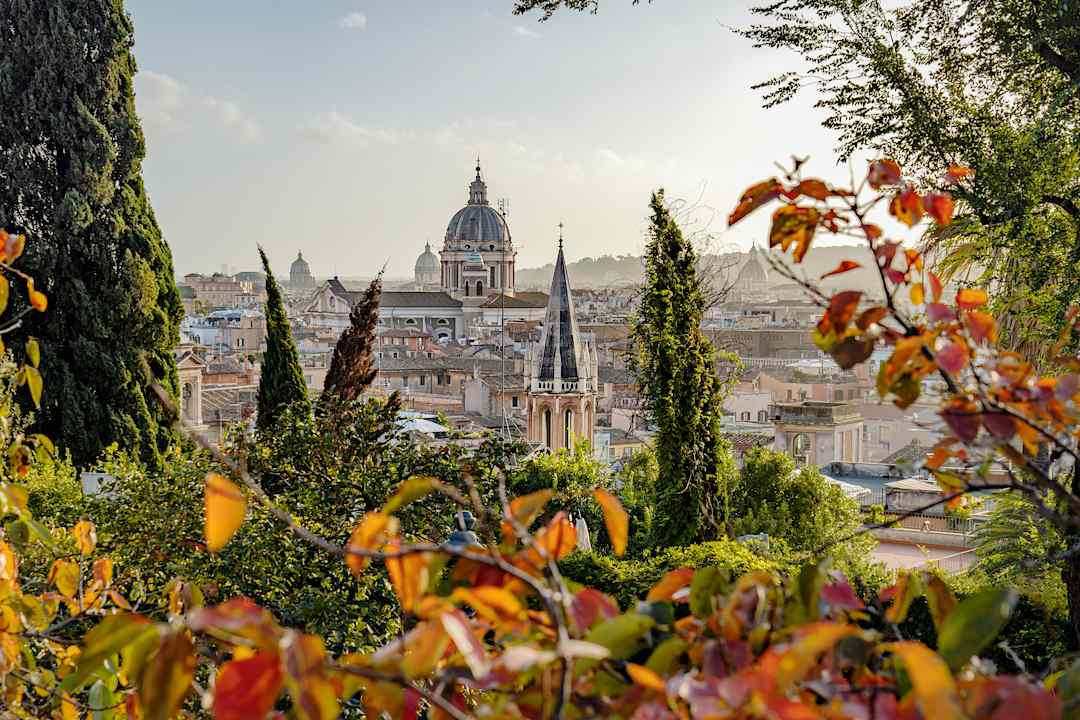
View of St Peters from the Pincio hill, Rome.
Pincio Hill View, Rome.

Rome and Paris are the two cities most travelers name long before they know what kind of traveler they are, which makes them the shared baseline for many first journeys to Europe. Because they’re so universally desired, they’re also the places most at risk of feeling generic if you only encounter them at peak hours, in large groups, and from behind rope lines.

When you think of them together, you can solve the same problem twice: how to avoid the crowd-managed version and instead see the Rome and Paris you’ve carried in your mind for years. A private guided tour of Rome and Paris provides the structure to move beyond default routes, creating a Rome-Paris framework that respects your time and preferences.

  • Twin Icons: Treat Rome and Paris as the two capitals the world has agreed are worth traveling for, then plan a custom Italy-France tour that connects them in a way that feels deliberate rather than obligatory.
  • Shared Challenge: Recognize that both cities suffer from the same crowd patterns, which means a standard experience tends to deliver the same frustrations, such as queues, compression, and surface-level contact.
  • Unified Approach: Use a private guided tour of Rome and Paris together to apply one coherent planning philosophy across both cities, rather than improvising two separate, mismatched itineraries.
  • Linked Structure: Shape a tailor-made Rome-Paris itinerary, or a custom Europe itinerary for Rome and Paris in 10 days, around your energy curve, placing intensive days between gentler ones in both capitals.
  • Default Upgrade: Reframe these “default dream” destinations as places where you can still be surprised because the experiences you have there are calibrated to you rather than to a generic visitor profile.

Share your vision for how Rome and Paris should relate with your Zicasso specialist so they can design a private tour structure that treats them as a single, coherent journey.
How a Zicasso Private Tour Works

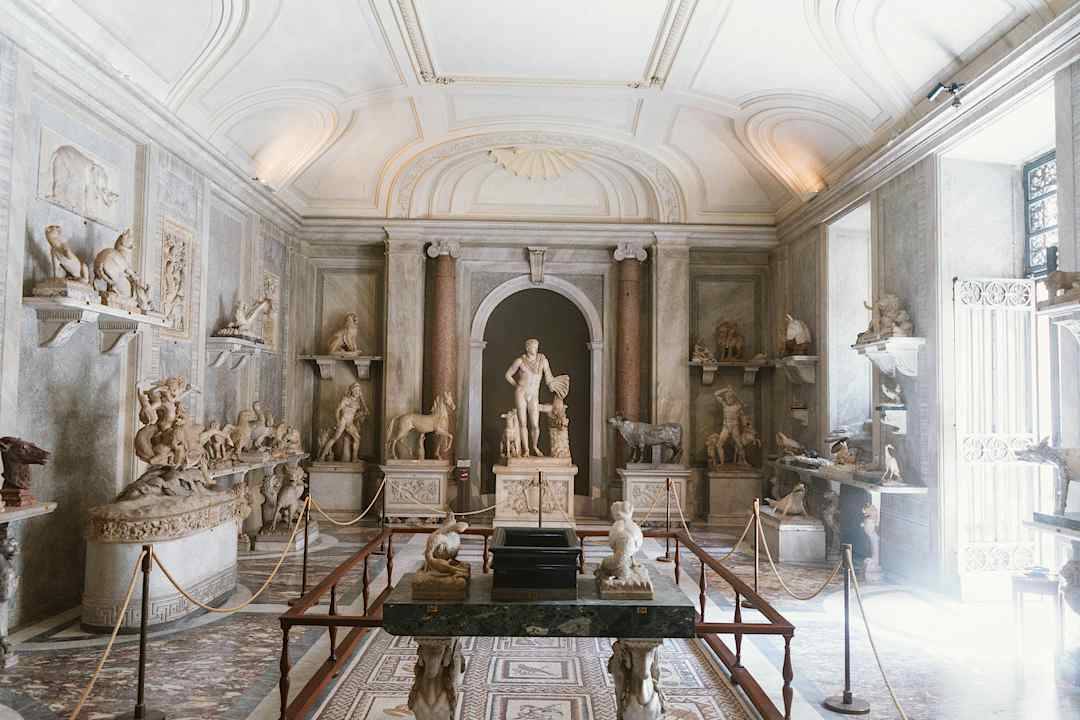
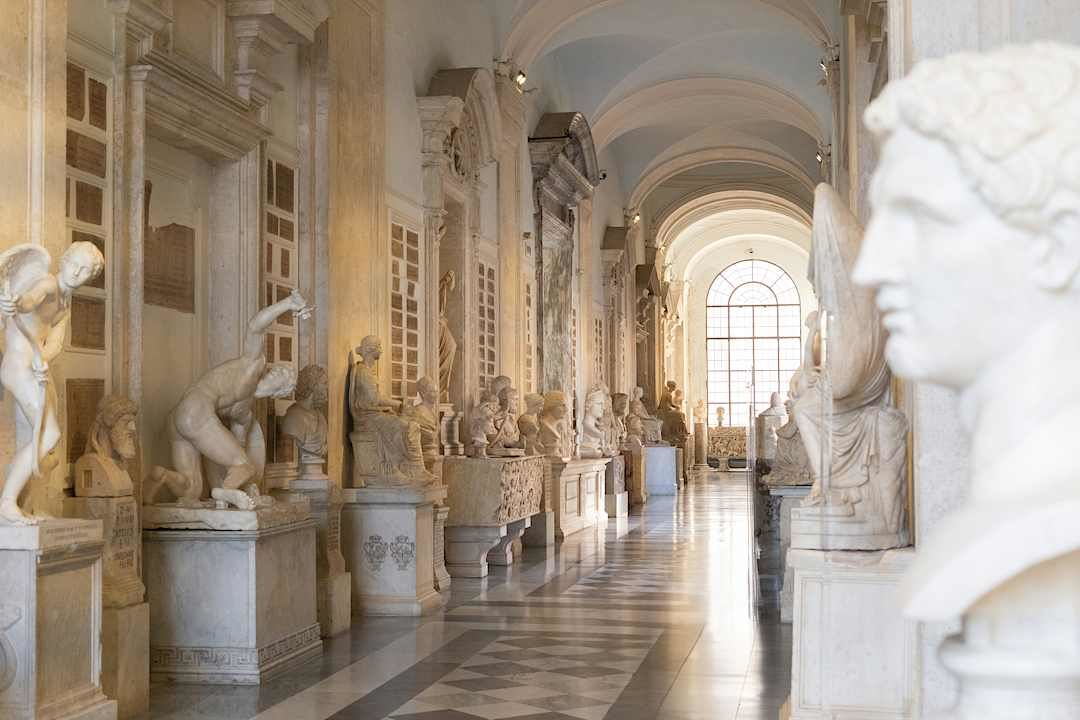
Sculptures in the Vatican Museums.

A private tour with Zicasso is, at its core, a transfer of relationship. The access you receive in Rome and Paris is borrowed from specialists and guides who have spent years, often decades, earning the trust of curators, sacristans, caretakers, and staff who literally hold the keys. When a door opens quietly for you, it’s because someone has already vouched for the guide standing at your side.

Those relationships are not easily replicated by self-planned trips or standard group tours. When a sacristan eases open a side chapel, a museum guard lifts a rope, or a palace caretaker unlocks a gate, what they’re extending is trust: the belief that your guide will treat the space with the same care they do. That trust is the invisible mechanism behind exclusive access and is the foundation of what a private tour in Rome and Paris includes when it’s curated at this level.

  • Borrowed Trust: Think of private guided tours in Rome, Italy, and private guided tours in Paris, France, as your way of stepping into a relationship network you couldn’t build in a single trip.
  • Exclusive Access: Understand that Vatican after-hours exclusive access, a private Vatican museum tour after closing time, or a Louvre private tour before opening to skip crowds are made possible by long-standing collaboration and reliability.
  • Non-Generic: Realize that luxury private-tour Rome experiences, luxury private-tour Paris days, and a luxury private guided tour of Paris, the Louvre, and Versailles combinations rely on agreements that can’t simply be replicated with a standard ticket.
  • Mechanism Explained: See “exclusive-access tours in Rome” and “Versailles-without-crowds exclusive access” as outcomes of consistent, respectful behavior by partners who know how to work within each institution’s constraints.
  • Structured Offering: Recognize that what a private tour in Rome and Paris includes is not just entries and transfers, but carefully negotiated windows of time, specific routes, and hosts who already understand why you’re there.

When you talk with your Zicasso specialist, share how important exclusive access is to you so they can prioritize guides and experiences that depend on this transfer of relationship.

How a Private Tour Changes the Way You Spend Time

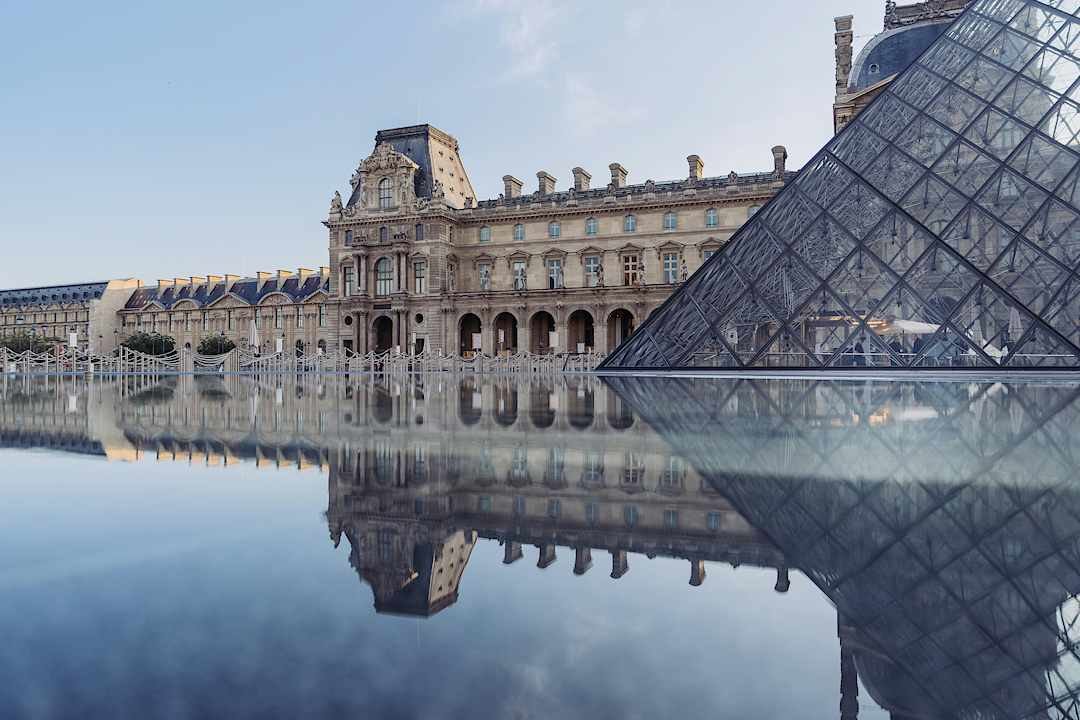
Louvre Museum, Paris.

Time is the most expensive part of any journey, yet most itineraries treat it as if it were free. Standard tours and self-planned trips often optimize for coverage. For example, how many sites can you see in a day? They do this without asking whether that’s how you actually want to spend your hours. A private tour begins with a different premise: that your time is finite, valuable, and worth planning around as carefully as any other part of the trip.

The difference between a private and a group tour is partly about exclusivity, but it is mainly about how you choose to spend your time. Most travel is optimized for coverage; a private tour is optimized for depth. Do you want to stand in the crowd in front of the Mona Lisa or use that same hour on a private art tour in Paris, with a Musée d’Orsay private art tour focused on Impressionism? Do you want to move through the Vatican shoulder to shoulder or see the Sistine Chapel from its center, with no one else’s elbow in your side?

  • Time Priority: Use private guided tours in Rome and Paris as a conscious decision to protect your hours from queues, bottlenecks, and unnecessary transfers.
  • Depth Over Coverage: Reframe success from “how many sites did we see?” to “how deeply did we experience the places that mattered,” especially in dense environments like the Vatican Museums and the Louvre.
  • Crowd Strategy: Answer practical questions like how to see the Vatican without crowds or the best time for the Louvre by relying on guides who know when to schedule a private Vatican museum tour after closing time or Louvre private-access entry.
  • Experience Filter: Choose the best private tours in Rome for couples or families that favor texture over checklist, with days anchored in one or two major experiences rather than a dozen rushed stops.
  • Spending Philosophy: Treat the decision to book a private tour in Rome and Paris as a choice about how you want to spend your most precious resource, matching your budget with the value you place on time and attention.

Share your ideal pacing with your Zicasso specialist so they can design a private tour itinerary that uses your time exactly as you intend.

How a Private Tour Transforms the Pace of a City

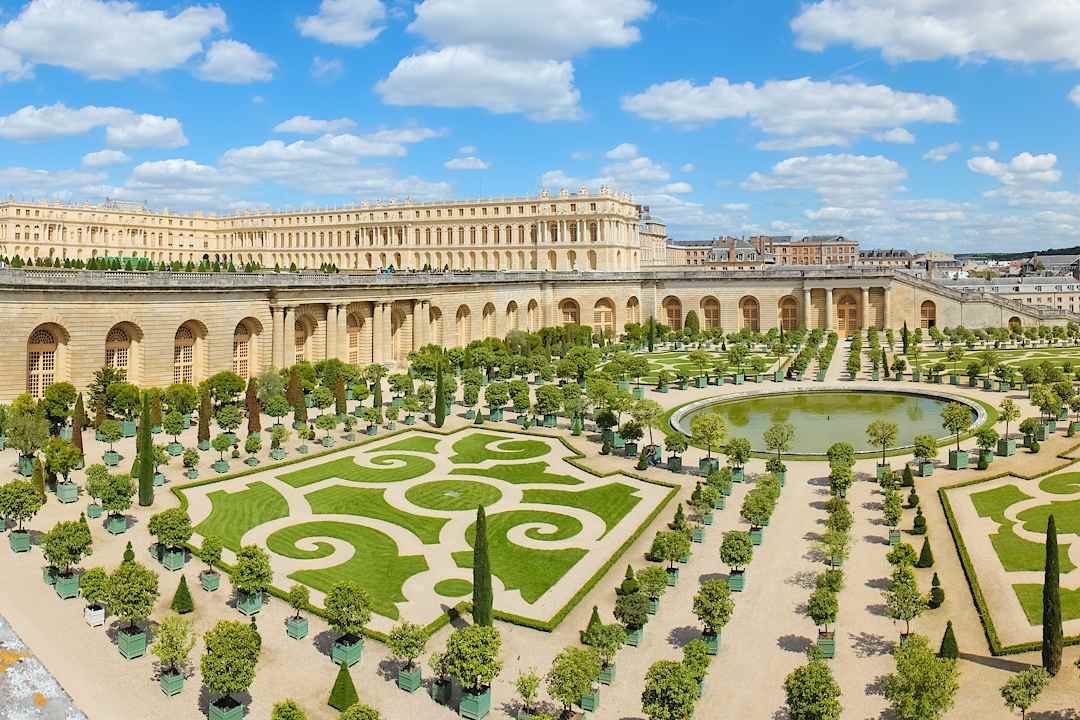
Versailles, Paris.
Versailles, Paris.

Rome and Paris feel fundamentally different when you experience them through unlocked doors, softened soundscapes, and routes that keep you in the quieter spaces of each city. Instead of joining the back of a long line, you find yourself stepping through side entrances, moving along polished corridors at carefully chosen times, and pausing in rooms where voices drop to a murmur. In these moments, the cities’ most famous sites begin to feel like places you’ve been invited to inhabit.

You’re no longer racing from sight to sight, but moving through areas where guides are greeted by name, where thresholds feel familiar rather than forbidding, and where your focus is on what’s in front of you, not on the crowd around you.

  • Side Entrances: Experience exclusive-access tours in Rome and private Paris tours through discreet side doors and staff corridors that bypass standard entry points.
  • Quiet Windows: Use timing strategies in luxury private tour Rome and luxury private tour Paris days to enter major sites during quieter windows, reducing noise and visual clutter.
  • Route Design: Trust guides who design paths through the Vatican, Louvre, and other large complexes that avoid the most congested zones without sacrificing what you came to see.
  • Soundscape Shift: Notice how carefully chosen times and routes, such as a Louvre private tour before opening to skip crowds or a Versailles private tour with early access, change the soundscape from chatter and announcements to footsteps and hushed conversation.
  • City Flow: Feel how a city that bends around you rather than forcing you into its most crowded currents allows you to look up, linger, and listen with far less pressure.

As you speak with your Zicasso specialist, explain where crowds bother you most so they can prioritize the unlocked, quieter versions of Rome and Paris in your private itinerary.

Experiencing Rome and Paris Through Exclusive Access

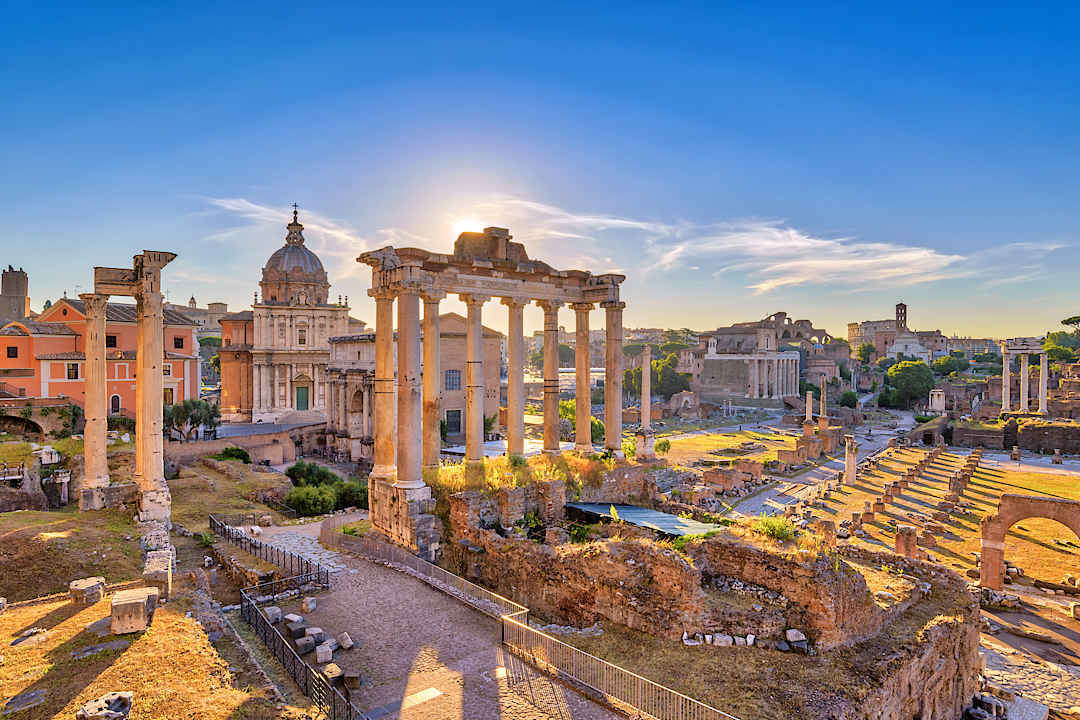
Roman Forum, Rome.
Roman Forum, Rome.

In Rome, private access is like being invited backstage at a museum where ancient stone, incense, and late-afternoon light all share the same frame. When you’re not pressed into the broadest routes, you begin to notice smaller details: the coolness of marble under your hand, the way a fresco glows when the corridor is nearly empty, the echo of your own footsteps in an otherwise quiet gallery.

A private structure also gives Rome room to breathe. Rather than stacking every major site into a single day, you can spend mornings in sacred spaces, afternoons in aristocratic salons, or evenings underground, with each theme given enough time to settle in your memory.

  • Layered Access: Include luxury private-tour Rome experiences that weave together churches, palazzi, and viewpoints into coherent days instead of scattered stops.
  • Forum Context: Use private touring to see the Forum and Palatine from within, with guides who can move you to vantage points and terraces that aren’t always open to larger groups.
  • Palazzo Invitations: Add noble palazzo salons to your private Rome-Paris tour plan, where a caretaker or host opens doors to frescoed halls and courtyards usually off-limits to casual visitors.
  • Evening Balance: Schedule key sites like certain basilicas or hilltop viewpoints for golden hour, when the combination of light and reduced foot traffic naturally slows your pace.
  • Local Tempo: Allow your guide latitude to adapt routes in response to local conditions, making on-the-ground calls that keep your day feeling fluid rather than rigid.

Browse Zicasso’s Rome tours and vacations, note which themes and experiences speak to you, and share them with your specialist so they can build private days that match your vision of the Eternal City.

Sacred Spaces in Rome: Experiencing Churches and Chapels

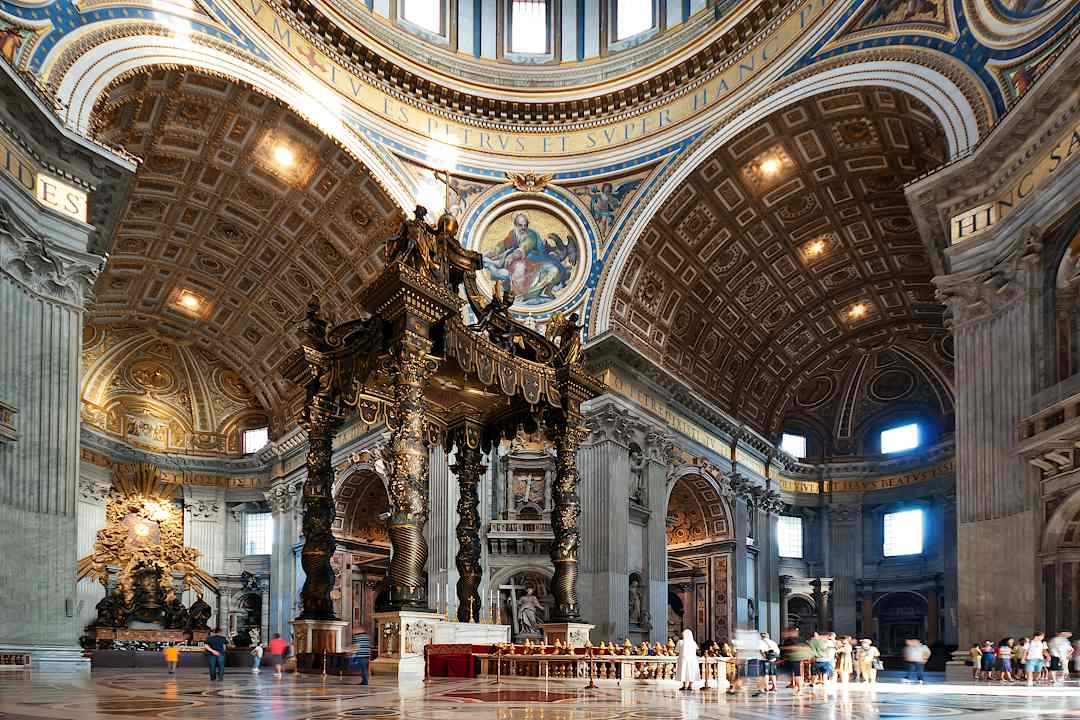
St Peters Basilica, Rome.

Rome’s sacred spaces can be overwhelming if you only encounter them as major stops on a busy route. Yet when you slip in through side entrances, sit quietly inside chapels, or walk cloisters where the city’s noise barely reaches, those spaces become environments you can read. A private guide helps you understand what you’re seeing, from the structure of a basilica to the stories behind a single relic on an altar.

The difference between merely looking and truly understanding often lies in context. Without it, a chapel is just a beautiful room; with it, you’re standing in a space that has anchored centuries of devotion, ritual, and community life.

  • Guided Sacred: Use private guided tours in Rome to connect architectural details, artworks, and relics to the specific communities and periods that produced them.
  • Relic Meaning: Ask your guide to explain the cult of saints behind particular relics so you know why they mattered to pilgrims.
  • Hidden Chapels: Include side chapels and lesser-known basilicas in your private tour in Rome and Paris so sacred experiences extend beyond the most famous churches.
  • Cloister Calm: Spend time in hidden monastic cloisters where your guide can point out inscriptions, fresco fragments, and daily patterns that are easy to miss on your own.
  • Personal Emphasis: Share whether you’re drawn more to aesthetics, history, or spirituality so your guide knows how best to shape your time in these sacred settings.

If sacred spaces are part of how you understand a city, tell your Zicasso specialist and explore our Top Things to Do in Rome for inspiration as you plan your private sacred experiences.

Exploring Underground Rome with a Private Guide

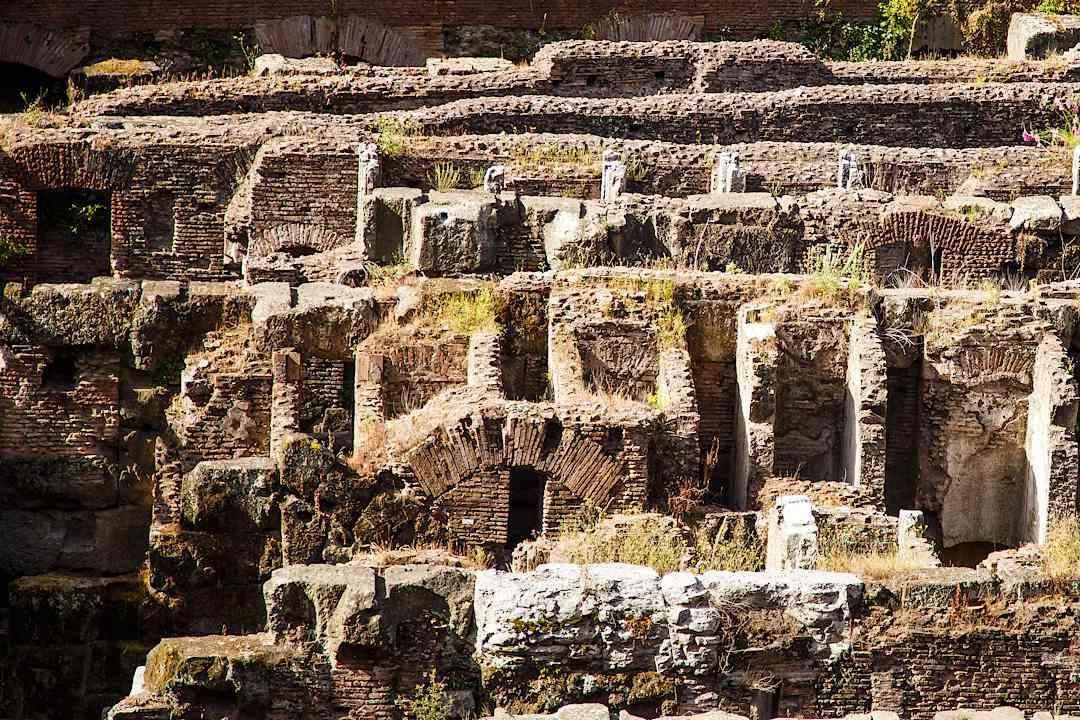
Catacombs, Rome.
Catacombs, Rome.

Beneath Rome’s modern streets lies a network of hypogea, catacombs, subterranean basilicas, and shrines that reveal how the city has been built, rebuilt, and repurposed over millennia. These spaces can feel haunting on their own, but they become far more compelling when a guide explains the iconography, architecture, and rituals that give them meaning. Without that guidance, a Rome underground tour risks becoming little more than atmospheric corridors and dimly lit stones.

A private underground Rome experience also changes the pace of your day. The cooler air, reduced noise, and narrower spaces create built-in pauses, especially when balanced with open-air terraces and piazzas later on.

  • Structured Underground: Plan a Rome underground tour that links sites in a way that tells a continuous story, rather than treating each descent as an isolated curiosity.
  • Colosseum Depth: Choose a Rome Colosseum hypogeum underground private-access experience or a Colosseum private tour that includes Colosseum VIP private access underground and a Colosseum arena floor experience.
  • Iconography Insight: Rely on your guide to interpret frescoes, symbols, and inscriptions so catacombs and subterranean basilicas become readable narratives rather than just atmospheric backdrops.
  • Balanced Day: Combine underground Rome private tour elements with time on rooftops, terraces, or hilltop viewpoints to maintain a healthy mix of enclosed and open-air experiences.
  • Interest Signaling: Decide in advance whether underground history is a highlight or a supporting theme in your custom Italy-France tour, and communicate that explicitly.

Let your Zicasso specialist know how much emphasis you’d like on underground Rome so they can integrate it seamlessly into your larger Rome and Paris journey.

Seeing Paris’s Icons with Time and Space

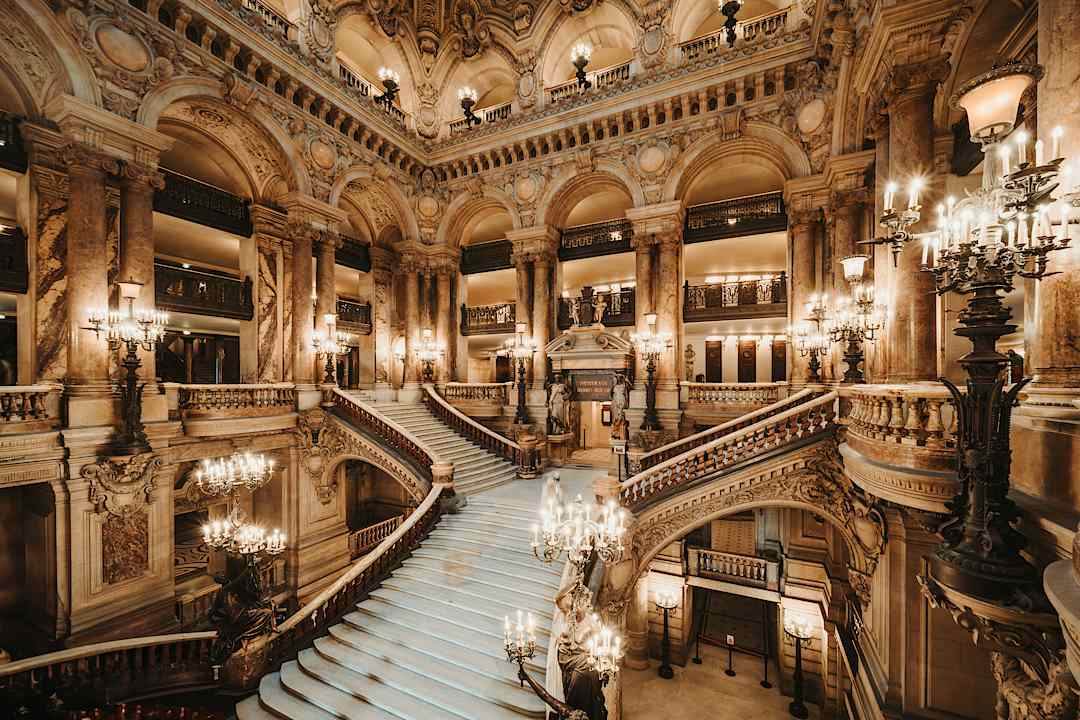
Palais Garnier, Paris.

Paris’s iconic sites feel very different when experienced with time, space, and guidance tailored to you. Instead of adapting yourself to the needs of a large group or a rigid schedule, a private tour lets you encounter the city’s most famous places at your pace and from vantage points chosen for clarity rather than convenience.

When routes are curated and timing is intentional, Paris’s landmarks become focal points for particular themes: art, architecture, history, or simply light and space. The result is a series of encounters that feel anchored rather than rushed.

  • Icon Design: Use luxury private-tour Paris planning to build days around specific icons you care about most rather than attempting to see every major site in a single visit.
  • Route Intelligence: Let your guide choose internal routes at larger sites, so you move through quieter corridors and galleries whenever possible.
  • Visual Breathing: Include terraces, courtyards, and river-level walks in your private guided tours of Paris, France, so your eyes and mind have time to reset between intense visual experiences.
  • Neighborhood Anchors: Frame big-ticket visits with time in nearby neighborhoods, cafés, or markets to place each icon within a contemporary context.
  • Complementary Themes: Balance what you explore in Paris with what you loved in Rome, be it art, sacred architecture, or underground spaces, so your broader private tour feels cohesive.

Use Zicasso’s Paris itineraries as a reference, then share your priorities with your specialist so they can focus on private access where it will matter most to you.

Sacred and Quiet Corners of Paris

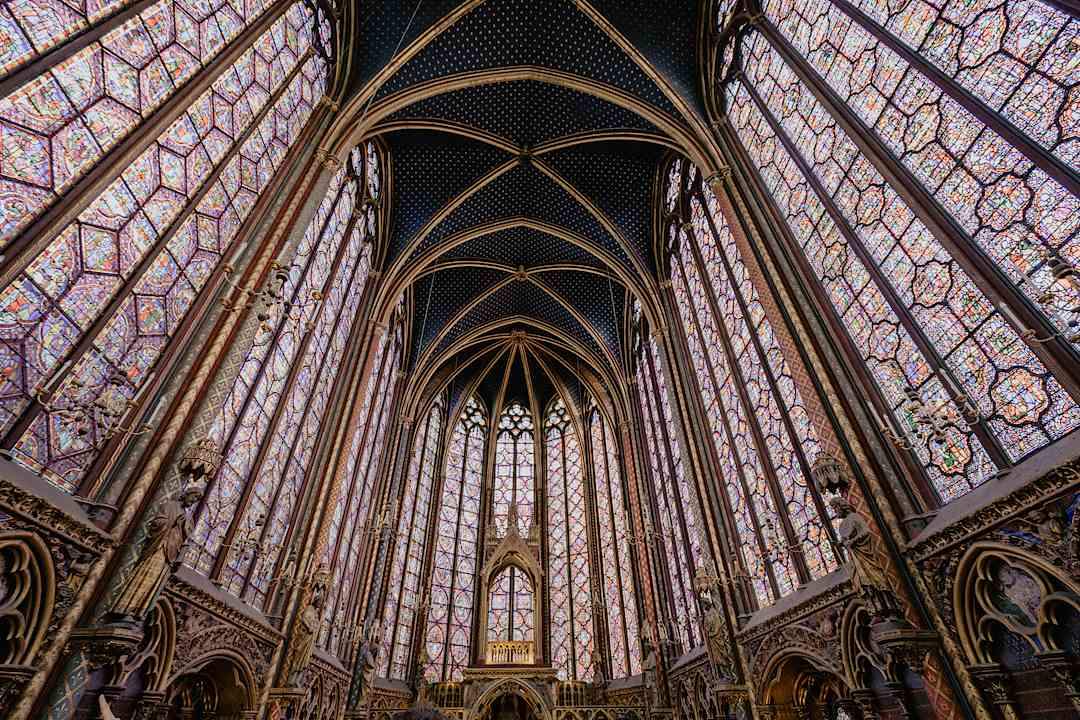
Sainte Chapelle church,  Paris.
Sainte Chapelle church, Paris.

Paris’s sacred spaces range from grand cathedrals to small, dimly lit chapels that most visitors pass without noticing. When you enter at quieter times and with a guide who can interpret what you’re seeing, these spaces become places of layered meaning rather than quick photo stops.

The interplay of architecture, light, and ongoing ritual is different in each church. A private guide can point out details you might miss on your own: a worn step that shows centuries of footfall, a stained-glass panel that reveals a local story, or a side altar whose significance is still felt by the surrounding community.

  • Timing Choices: Schedule sacred visits during the calmest parts of the day to experience side chapels and naves when they are naturally quiet and contemplative.
  • Contextual Stories: Use private guided tours in Paris to understand how specific churches relate to their neighborhoods and to the broader religious history of the city.
  • Detail Focus: Ask your guide to highlight particular artworks, relics, or architectural features that would otherwise blend into the background.
  • Comfort Alignment: Be open about your comfort level with religious spaces, whether you prefer observational visits or more reflective moments, so the experience matches your intent.
  • Balanced Inclusion: Integrate sacred stops into broader days that also include museums, walks, or cafés, keeping the emotional tone of your private tour varied and sustainable.

If sacred spaces help you connect with a city, tell your Zicasso specialist so they can ensure Paris’s quiet corners feature meaningfully in your private itinerary.

Underground and Hidden Paris with a Private Guide

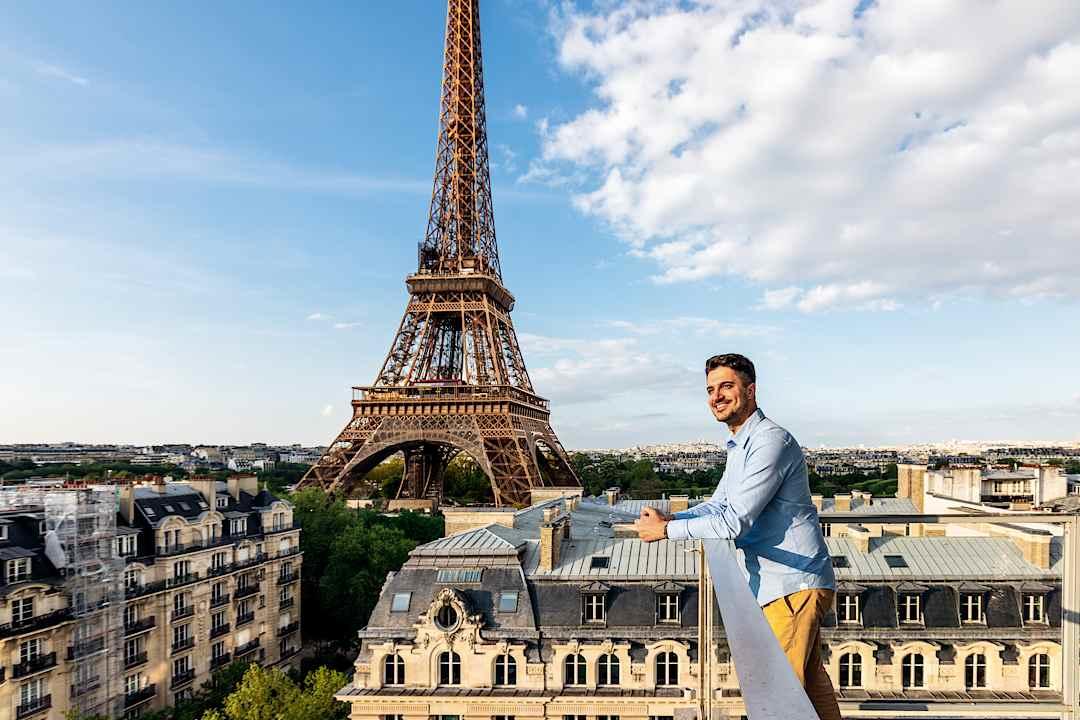
Man admiring the view from a rooftop in Paris.

Beneath Paris’s boulevards and behind its façades lies a network of foundations, crypts, and tunnels that reveal layers of history not always visible at street level. These spaces, from Roman remains to ossuary tunnels, can feel stark or even unsettling when visited in crowded conditions, but in a smaller setting with a knowledgeable guide, they become places of reflection and insight.

A private underground Paris experience also lets you move at a pace that respects your curiosity and comfort. With fewer people around, the cool air, echoing steps, and carved stone feel less like a spectacle and more like a story unfolding in real time.

  • Planned Descent: Arrange a Paris underground tour that links crypts, foundations, and tunnels in a logical sequence so each site builds on the last rather than standing alone.
  • Catacomb Calm: Choose a Paris catacombs private tour or a Paris catacombs guided tour without large-group dynamics so you can move steadily, ask questions, and pause when needed.
  • Interpretive Depth: Let your guide explain why these underground spaces were created, how they’ve been used, and what they reveal about how Paris manages its past beneath the surface.
  • Above–Below Pairing: Balance time below ground with time on bridges, riverbanks, or rooftop terraces to keep your day emotionally and physically balanced.
  • Preference Signaling: Be clear about your interest and comfort level with subterranean environments so your Zicasso specialist can calibrate how much these experiences feature in your private tour.

If hidden and underground stories appeal to you, mention this early in your planning conversation so your specialist can build these quieter, more introspective encounters into your Paris days.

Private Homes, Ateliers, and Living Culture in Rome and Paris

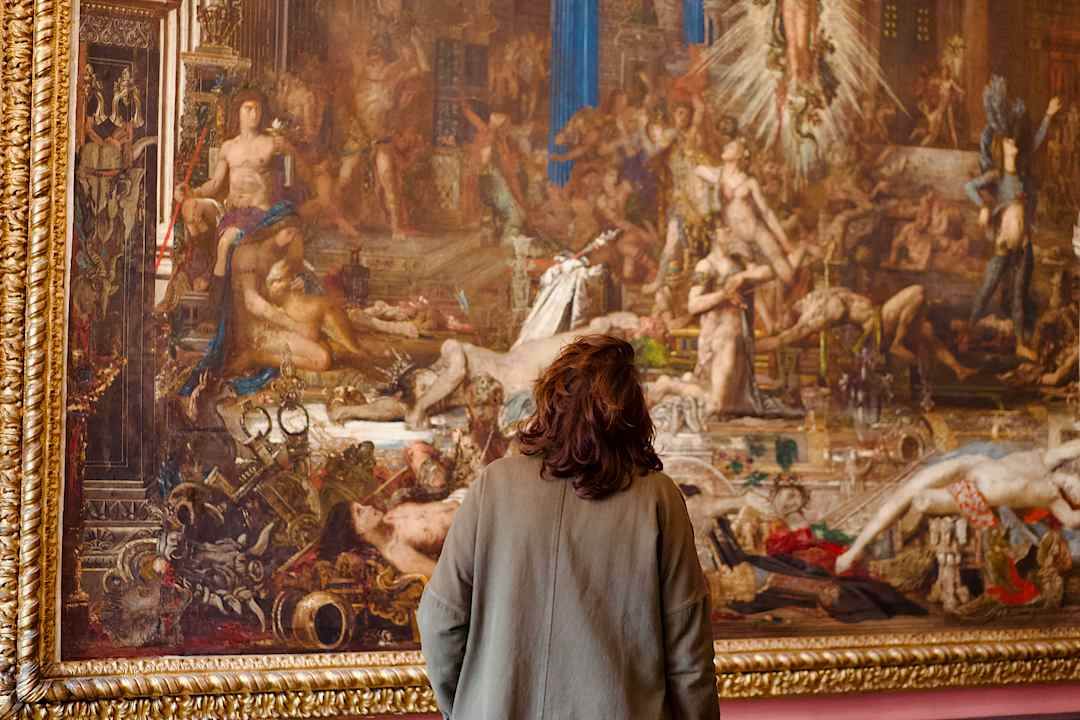
Woman looking at a painting in a museum in Paris.

Beyond monuments and museums, Rome and Paris are shaped by people who are still creating, cooking, and living in spaces that aren’t open to the general public. When you step into private homes, working studios, and invitation-only salons, you engage with living culture in a way that complements everything you’ve seen in galleries and churches.

These encounters are more than just “extras”; they’re opportunities to see how contemporary life intersects with history in real time. A guide or host can bridge any gaps in language or context, helping you understand why what is being made or served matters here and now.

  • Studio Connections: Incorporate private art-tour Paris experiences that extend from museums into contemporary studios, where artists can connect their work directly to the city around you.
  • Design Entries: Arrange visits to fashion and design ateliers where you can observe craftsmanship up close, emphasizing process as much as finished product.
  • Tasting Frameworks: Use private tasting salons to explore wine, chocolate, or other specialties with hosts who pair each sample with stories of terroir, technique, and local tradition.
  • Home Tables: Consider home-hosted dinners or small gatherings where you share a table with hosts who can speak to daily life, traditions, and the evolving character of their city.
  • Culinary Planning: Refer to our Italy food and wine travel guide and our France equivalent to identify which culinary experiences you’d most like to fold into your private tour.

Tell your Zicasso specialist whether you’re more drawn to art, fashion, food, or design, so they can prioritize the private homes and ateliers that will resonate most with you.

Why These Layers Matter for Your Journey

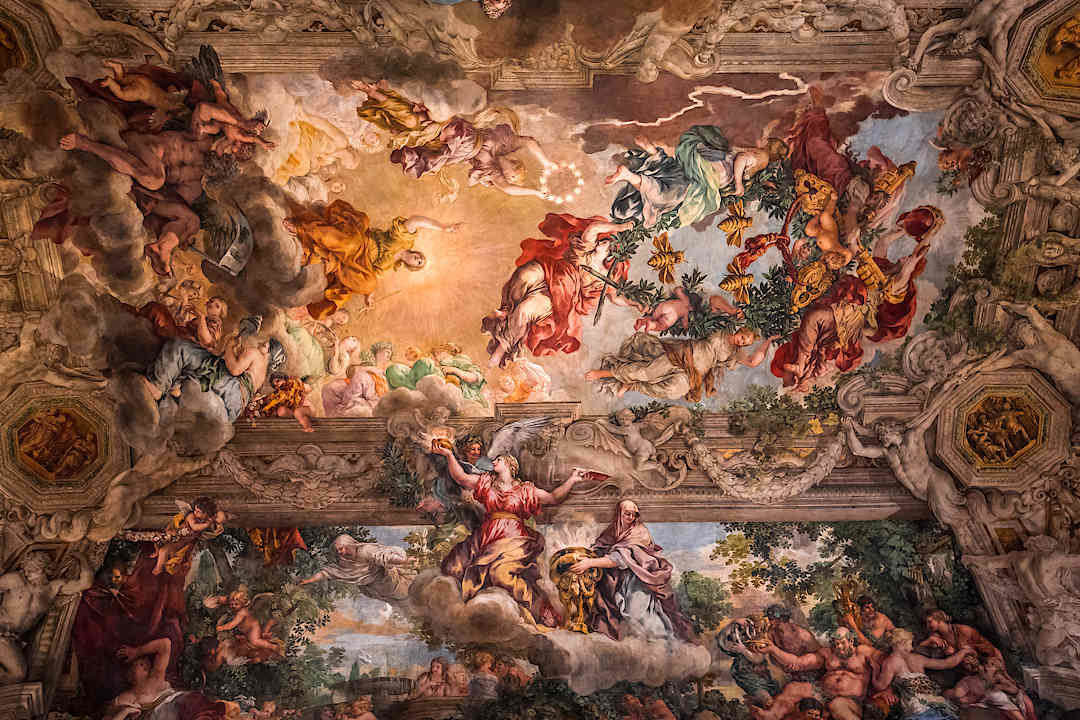
Palazzo Barberini, Rome.

When sacred spaces, underground worlds, aristocratic salons, working ateliers, and iconic landmarks all sit alongside one another in your itinerary, Rome and Paris begin to feel like cities you inhabit rather than destinations you “do.” Each day develops its own character, be it contemplative, exploratory, or convivial. This creates a journey that has a clear pace.

By structuring your travel around depth, context, and access, you come home with memories that are easier to describe and harder to forget. The places you visit will feel connected to each other, to the people who maintain them, and to the guides who helped you interpret them.

  • Emotional Texture: Notice how your emotional experience broadens when days include everything from quiet chapels and underground passages to lively kitchens and terraces.
  • Narrative Flow: Appreciate how a well-planned private tour on a Rome-Paris itinerary can make seemingly disparate experiences feel like chapters in a single, coherent story.
  • Sustainable Pace: Experience how a balanced mix of intensity and calm helps you stay present and engaged throughout a custom Europe itinerary, including Rome and Paris, for 10 days or more.
  • Lasting Clarity: Observe how a handful of deeply felt moments rather than a long list of stops remain vivid long after your journey ends.
  • Personal Values: Recognize that the structure of a private tour allows your trip to reflect your values, whether those center on learning, reflection, connection, or indulgence.

As you prepare to speak with your Zicasso destination specialist, consider what matters most to you so they can shape your itinerary around art, history, culture, or anything else that resonates.

Private Tours of Rome and Paris: Frequently Asked Questions

Vatican Museums room, Rome.

What is the main difference between a private tour and a group tour?

The main difference is that a private tour is built around your interests, pace, and schedule, while a group tour follows a fixed route and timing designed for many people at once. On a private tour of Rome and Paris, your guide can adjust in real time, answer more of your questions, and focus on the experiences that matter most to you. This flexibility turns famous sites into personal encounters instead of one-size-fits-all visits.

Can I visit Rome and Paris on the same trip?

Yes, you can absolutely visit Rome and Paris on the same trip. Many travelers include a tailor-made Rome–Paris itinerary within a broader custom Italy–France or wider Europe journey. High-speed trains and short flights make it easy to connect the two capitals, so you can experience both cities without losing days in transit.

Are private tour guides worth the extra cost?

Private tour guides are worth the premium if you value your time, want deeper context, and prefer less stress while traveling. A good guide helps you avoid wasted hours in queues, explains what you are seeing in places like the Vatican Museums and the Louvre, and adjusts your day to match your energy and interests. For many travelers, this combination of time saved and understanding gained makes private guided tours one of the most valuable parts of the trip.

How do private guides get exclusive access to places like the Vatican and the Louvre?

Private guides gain exclusive or special access through long-term relationships with site staff, consistent reliability, and careful coordination with each institution. In practice, this can mean entering museums at quieter times, using side doors or alternative routes, or arranging visits outside regular public hours. Last-minute ticket purchases usually cannot replicate this level of access because it relies on trust built over years rather than on single-visit bookings.

How does a private tour change the way I spend my time?

A private tour changes how you spend your time by prioritizing depth over coverage. Instead of trying to see as many sites as possible, you focus on the places and themes that matter most to you, with pacing that matches your preferences. This can mean visiting the Louvre or the Vatican at optimal times, spending longer in a single gallery or church, or structuring days around a few key experiences instead of rushing between many stops.

Is a private tour of Rome and Paris right for me?

A private tour of Rome and Paris is a strong fit if you prefer smaller settings over large groups, want flexibility in your schedule, and care about seeing famous sites without overwhelming crowds. It is especially appealing if you are planning a custom Italy–France itinerary or a longer Europe trip and want your days to reflect your interests rather than a standard checklist. If you value time, context, and access, a private tour structure is likely to match your priorities and deliver a more personal experience of both cities.

Plan Your Private Tour of Rome and Paris

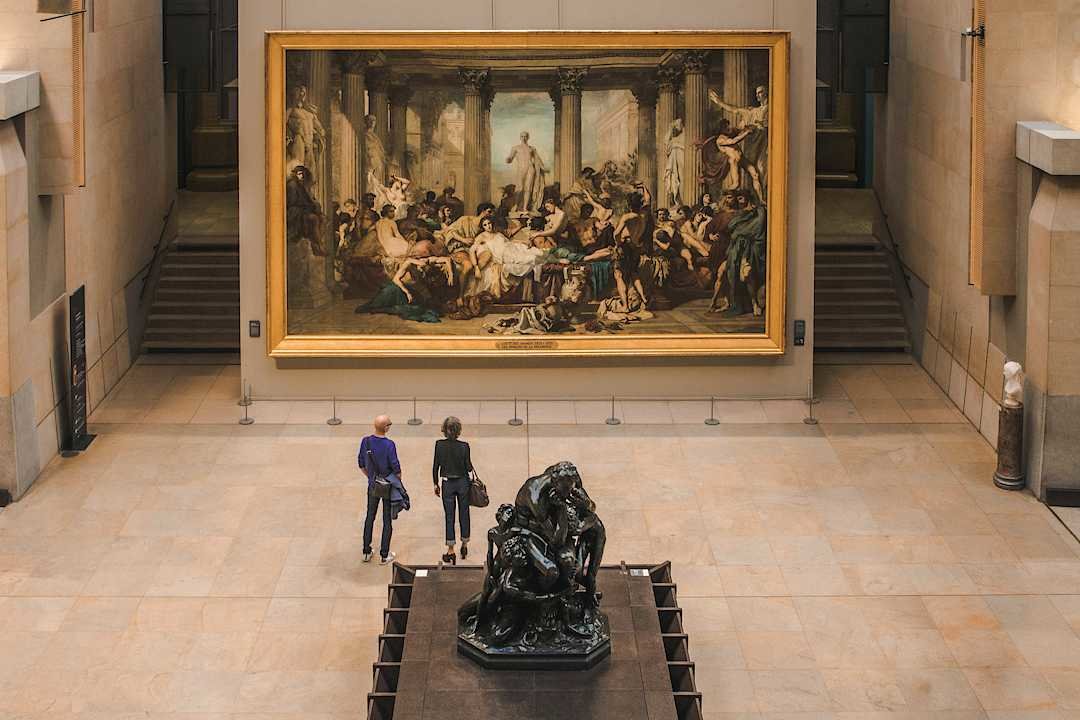
Musée d'Orsay, Paris.

A private tour of Rome and Paris with Zicasso will have you stepping beyond standard itineraries and creating a journey that feels distinctly yours. Whether you expect quiet mornings in Montmartre, golden afternoons above the Forum, subterranean explorations, or evenings in private galleries and kitchens, our destination specialists can help you shape those ideas into a cohesive plan.

By combining thoughtful structure, trusted local partners, and a focus on how you want to spend your time, we ensure that Rome and Paris become cities you truly experience rather than just visit. The result is a journey that balances icons with intimacy, structure with spontaneity, and access with reflection. Explore our Rome travel guide and Top Things to Do in Paris to clarify which experiences appeal to you most.

32,000+ Verified Traveler Reviews