How to Plan a Trip to Europe: Frequently Asked Questions

Orange and blue umbrellas on the beach in Positano on the Amalfi Coast of Italy

Spiaggia Grande in Positano, Italy

The most common questions about planning a trip to Europe revolve around when to go, how long to stay, and how to choose between the continent’s many countries and experiences. You might be dreaming of Mediterranean beaches, alpine villages, or cities layered with millennia of art and history, and each choice slightly reshapes the cadence of your trip.

As you weigh sun‑drenched Greek islands against Tuscan hills or consider whether to pair Paris with the Swiss Alps, it helps to understand how the seasons, distances, and different regions work together. Europe is compact, well-connected, and endlessly varied, which means a single journey could span whitewashed islands, medieval old towns, vineyard‑covered hills, and sleek, modern capitals. A bit of clarity on when to travel, where to linger, and how to move between destinations goes a long way toward making your trip feel effortless.

Extraordinary travel begins with a human touch and our destination specialists design every journey with meticulous care. They listen for the details, be they quiet mornings on a terrace, long museum afternoons, mountain hikes, or leisurely lunches, then shape your itinerary around those pleasures. As you explore these frequently asked questions, focus not just on where you will go, but how each day might feel, from your first espresso in a Roman piazza to your last sunset over a Greek harbor.

Europe at a Glance

Europe is a continent of 50 independent states, stretching from Atlantic shores to snow‑topped peaks and sun‑baked Mediterranean coasts. It includes island nations like Iceland, central European countries like Austria and Poland, and beloved coastal nations such as Greece, Croatia, and Italy. Small states like Monaco and Vatican City add another layer of character and history.

Europe has a diverse mix of cultures and landscapes, all surprisingly accessible. You might wake up in a lakeside Swiss village, board a train after breakfast, and find yourself tasting tapas in Spain that evening. Zicasso serves the majority of the continent, helping you choose the combination of northern, southern, eastern, western, or Mediterranean Europe that best matches the mood of your journey.
When is the Best Time to Visit Europe?

The best time to visit Europe is typically during the shoulder seasons of April to May and September to October. In spring and fall, the temperatures are gentle, café terraces feel lively but not crowded, and you can wander through historic centers or along coastal promenades without the intense heat and high-season crowds of midsummer.

If you want to bask on Mediterranean beaches, stroll through lavender fields, or linger late into the evening at seaside restaurants, March through August in countries like Italy, Greece, France, and Croatia offer sunny, open‑air days. By contrast, a quiet autumn visit might find you wine tasting in French or Italian vineyards as the leaves turn or enjoying long walks through central European cities in crisp, golden light.

Winter, from December to February, transforms Europe again. You could spend Christmas in a snow‑dusted alpine village, browse Christmas markets glowing beneath strings of lights, or visit major cities when museums and cafés feel particularly atmospheric. Because Europe is a year‑round destination, the “best” time depends on whether you picture ski runs and steaming hot chocolate, island swims and sunbathing, or shoulder‑season calm, with space to breathe between the highlights. Your Zicasso specialist can help you match the timing to your ideal experiences.

How Many Days Should I Spend in Europe?

We recommend spending at least 10 days in Europe for a satisfying, well‑paced introduction. That gives you time to immerse yourself in one or two major cities, add a contrasting region, such as countryside, coast, or mountains, and still enjoy a free day or two for unplanned discoveries.

With 10 days, you can glide between London, Paris, and Rome, lingering over a long lunch near the Seine before flying to Italy for an evening passeggiata. Alternatively, you could follow a central European route, pairing Germany and Austria, or design a focused journey in the United Kingdom that moves from historic cities to coastal paths or country manors.

If your schedule allows, 14 days or more opens up even more possibilities, from multi‑country itineraries to deeper, single‑country explorations that include iconic sites and quieter corners. There is no fixed rule; the “right” duration depends on your pace, how often you want to change bases, and how much time you like to spend simply absorbing the atmosphere of a place.

Can I Visit More Than One Country in Europe?

Yes, you can easily visit more than one country in Europe on a single vacation and many travelers do. Distances between major destinations are often short, and when arranged thoughtfully, frequent flights or trains make it practical to link countries without feeling rushed.

You might, for example, pair Italy and Greece for a journey that moves from Roman ruins and Tuscan hills to island‑speckled seas and whitewashed villages. France and Italy combine beautifully for a route that includes Paris, the Riviera, and the lakes or wine regions, while Spain and Portugal can frame a week of Iberian plazas, tiled facades, and sunlit coastlines. For a longer vacation, France, Switzerland, and Italy can share a single itinerary, letting you wake to alpine views one day and Venetian canals the next.

Some travelers find that focusing on a single country like Italy, for example, allows them to dig deeper into local culture, food, and daily life. There is no wrong approach; your Zicasso specialist can help you decide whether a single‑country immersion or multi‑country circuit best suits your interests and timeframe.

What Are the Most Popular Destinations in Europe?

With so many options, choosing where to go can be the most exciting, as well as the most overwhelming, part of planning. A few of the most popular destinations for first‑time and repeat travelers include:

  • Italy, with its ancient cities, coastal villages, and rolling countryside
  • Greece, home to island chains, classical sites, and luminous seas
  • France, where Parisian boulevards, wine regions, and Riviera beaches are all alluring
  • Spain, blending Moorish palaces, vibrant plazas, and coastal escapes
  • Portugal, with its tile‑covered cities, Atlantic coastline, and wine valleys
  • Croatia, where medieval towns meet Adriatic islands and coves
  • The United Kingdom, encompassing London, historic towns, and rural landscapes
  • Germany, with cultural hubs, riverside towns, and fairy‑tale castles
  • Switzerland, a haven of mountains, lakes, and pristine villages

Zicasso serves many more destinations than these, from central European cities to Nordic landscapes. Your specialist can help you narrow the list based on whether you picture art and architecture, outdoor adventure, seaside relaxation, or a little of everything.

What Should I Do on My Trip to Europe?

The possibilities in Europe are almost endless, so it helps to think in terms of experiences rather than just sights. You could:

  • Explore millennia of history in UNESCO World Heritage sites and ancient ruins, standing beneath the Parthenon on Athens’ Acropolis, tracing the arches of Rome’s Colosseum, or wandering the courtyards of Spain’s Alhambra as patterns of light and shadow shift on carved stone.
  • Discover European flavors through fine‑dining tasting menus, neighborhood street-food tours, and hands‑on cooking classes in which you might roll fresh pasta in Italy, learn to prepare Greek seafood, or sample fusion cuisine in a modern city.
  • Step into grand traditions at castles, châteaux, hilltop strongholds, and palaces, imagining courtly life as you move through frescoed halls, manicured gardens, and stone ramparts overlooking rivers or vineyards.
  • Savor wines in iconic regions, from a candlelit tasting in a Bordeaux cellar to a sunny terrace overlooking Portugal’s Douro Valley or a rustic winery in Tuscany.
  • Learn about artisanal crafts by visiting ceramic studios, textile workshops, jewelers, and fashion boutiques, seeing how craftsmanship and design continue to evolve.
  • Trace European art in world‑class museums and galleries, where a single afternoon might take you from ancient sculpture to Impressionist canvases to contemporary installations.
  • Embrace the outdoors in every season, skiing in the Alps in winter, hiking along coastal paths in Greece, or strolling through vineyard landscapes and lakeside promenades.
  • Experience Europe’s musical heritage in grand theaters and opera houses, perhaps ending an evening with a performance under painted ceilings or in a modern concert hall with extraordinary acoustics.

This is only a starting point; your itinerary can focus on the experiences that feel most compelling to you, from food and wine to history, art, nature, or all of the above. For more details, take a look at our Top Things to Do in Europe.

What Are the Best Museums in Europe?

Europe’s museums and galleries chart the continent’s story through art, artifacts, and architecture. You can move from ancient civilizations to modern movements in a single city or curate a route that visits a handful of iconic collections.

Some of the most renowned include:

  • The Louvre in Paris, France, where masterpieces, from classical sculptures to the Mona Lisa, fill ornate halls
  • The Prado Museum and Reina Sofía in Madrid, Spain, home to works by Velázquez, Goya, and Picasso
  • Tate Modern in London, UK,, showcasing contemporary and modern art along the Thames
  • The Uffizi Gallery in Florence, Italy, lined with Renaissance paintings and overlooking the Arno
  • The Vatican Museums in Vatican City, Italy, culminating in the Sistine Chapel
  • The Guggenheim Museum in Bilbao, Spain, where avant‑garde architecture meets modern art
  • The Pergamon Museum in Berlin, Germany, is filled with classical antiquities and European masterpieces

Follow a private guide through a curated selection for a powerful lens on Europe’s cultural evolution after taking a look at our guide to the Best Places to Visit in Europe.

What Are the Most Popular Islands to Visit in Europe?

Europe’s islands offer everything from volcanic landscapes to chic beach clubs and storybook villages. Depending on the atmosphere you want, you could choose:

  • Santorini and Mykonos in Greece, with whitewashed buildings, sunset views, and lively or romantic enclaves
  • Corfu or other Ionian islands for lush greenery and clear waters
  • Sicily and Capri in Italy, combining dramatic coastlines with deep history and refined cuisine
  • São Miguel and Pico in Portugal’s Azores for volcanic scenery, crater lakes, and whale watching
  • Mallorca and Ibiza in Spain, where you can find quiet coves, pine forests, or vibrant nightlife
  • Hvar and Vis in Croatia, mixing stone towns, bays, and crystalline sea

Your Zicasso specialist can help you decide whether to focus on one island or hop between several, weaving them into a larger itinerary or designing a purely island‑based escape.

Does Europe Have Good Beaches?

Europe’s coastline stretches from warm Mediterranean bays to wild Atlantic and northern shores, offering beaches for every traveler’s style. You can sunbathe on golden sand, swim in turquoise coves, or wander along pebbled shores backed by cliffs and pine forests.

  • Lampedusa, Italy: Unwind on Spiaggia dei Conigli, where pale sand shelves gently into shallow, turquoise water and distant boats bob against a backdrop of protected nature.
  • Formentera, Spain: Walk barefoot along Ses Illetes, a ribbon of powder‑soft sand where the sea shifts from pale aquamarine to deep sapphire and yachts anchor just offshore.
  • Santorini, Greece: Stand on Red Beach, with its rust‑colored cliffs, dark pebbles, and cobalt water, for a striking, almost surreal volcanic seascape.
  • Algarve, Portugal: Swim and sun at Praia da Marinha, framed by honey‑gold cliffs, arches, and sea stacks that glow warm in the late‑afternoon light.
  • Barcelona, Spain: Split your days between Bogatell’s urban-seaside mix, where you can move easily from lounger to historic streets, tapas bars, and evening cocktails.

More inspiration can be found in our beach and island vacations and tours.

Is Europe a Good Place for Hiking?

Europe is excellent for hiking, with routes that range from alpine ridgelines to vine‑covered hills, coastal paths, and forested gorges. Whether you prefer leisurely day walks between villages or more challenging trails, you can pair spectacular scenery with local food, wine, and culture.

  • Swiss and Austrian Alps: Follow trails near places like Saalbach or Schmittenhöhe, passing wildflower meadows, mirror‑still lakes, and wide‑open views of snow‑tipped peaks.
  • Cinque Terre, Italy: Hike between clifftop villages along terraced paths, pausing for espresso, gelato, or a seafood lunch overlooking the Ligurian Sea.
  • Greek Islands: Stroll along coastal tracks on islands like Crete or Santorini, ending walks with a swim in a sheltered bay and grilled fish at a seaside taverna.
  • Plitvice, Croatia: Wander wooden boardwalks in Plitvice Lakes National Park, where turquoise pools and tumbling cascades turn the landscape into a living watercolor.
  • Corsica, France: Sample sections of the legendary GR20 or opt for gentler coastal and maquis trails, pairing rugged island scenery with village cafés and Mediterranean swims.
  • Northern Spain: Walk stretches of routes such as the Camino de Santiago or mountain paths in the Picos de Europa, combining satisfying day hikes with regional cuisine and historic towns.

Our Best Places to Hike in Europe has more information to guide you.

Where Can I See Wildlife in Europe?

Wildlife experiences in Europe often begin just beyond familiar cityscapes, where coasts, forests, and mountains shelter an impressive variety of marine life, birds, and mammals. You can add moments in nature to itineraries rich in culture, cuisine, and history.

  • Azores, Portugal: Sail into the Atlantic to watch dolphins play in your bow wave and whales surface against a backdrop of emerald volcanic islands.
  • Pindos and Spitsbergen: Track brown bears with expert guides in Greece’s Pindos National Park or venture to Norway’s Spitsbergen in search of polar bears in stark Arctic landscapes.
  • Costa de la Luz, Spain: Look for orcas near the Strait of Gibraltar, where powerful fins slice through the water as they surface and disappear again.
  • Plitvice, Croatia: Spot butterflies and birdlife amid the lakes and forests, adding gentle wildlife watching to your day of walking between waterfalls.
  • Iceland: Visit puffin colonies on islands such as Lundey or along sea cliffs, timing your boat or coastal walk for when birds wheel overhead and return to their burrows.
  • Switzerland: Watch for alpine marmots, ibex, and chamois on high‑mountain trails, or visit conservation‑focused parks like Langenberg, where viewing is comfortable, family‑friendly, and well-managed.

Should I Visit Europe for the Christmas Holidays?

Europe is especially enchanting during the holidays, when historic squares glow with lights and cities embrace Christmas traditions that include markets, music, and festive cuisine. Wooden stalls, ice rinks, and illuminated façades turn winter streets into atmospheric promenades.

  • Germany and Austria: Wander through storybook Christmas markets, sipping glühwein as you browse wooden toys, glass ornaments, hand‑knit scarves, and regional pastries.
  • Italy’s Cities: Experience nativity scenes, evening passeggiate under twinkling lights, and seasonal treats like panettone or torrone in Rome, Florence, or smaller towns.
  • Swiss Alps: Wake to snow‑laden roofs and mountain views, spending your days skiing or sledding and your evenings by a fire with fondue, raclette, and local wines.
  • Czech Republic: Explore Christmas markets and quieter side streets in cities and towns such as Prague, where candlelit churches, small squares, and local treats create an intimate festive atmosphere.
  • Holiday‑themed Itineraries: Work with your specialist to build a December journey inspired by “best-in-winter” destinations, balancing festive buzz with pockets of peaceful retreat.

You and your children are sure to be inspired by our best European Christmas market tours and vacations, so take a look before connecting with our travel specialists for a holiday vacation you will not soon forget.

How Do I Travel Around Europe?

You can move around Europe by plane, train, metro, subway, bus, private vehicle, rental car, bicycle, and more. The best option depends on your route and style of travel.

Planes are often the quickest way to cover long distances between major hubs or islands, but trains are a favorite for many travelers. They offer comfortable, scenic journeys between countries and within them. High‑speed rail can whisk you from city center to city center, while regional trains connect smaller towns and countryside areas.

Within cities, metro systems, trams, buses, taxis, or private drivers make it easy to explore and, in some destinations, cycling or e‑bikes provide a pleasant, flexible way to get around. In more remote regions, transportation options may be more limited, so your Zicasso specialist can advise when private transfers or rental cars make sense.

What Are the Most Popular Places for Food in Europe?

Europe’s great food regions invite you to taste their landscapes as much as their recipes, from rolling vineyards and olive groves to seaside tavernas and pintxos bars. In each destination, culinary traditions are woven into daily life, whether you are savoring a long lunch beneath plane trees or nibbling small plates at a standing‑room‑only counter.

  • Tuscany, Italy: Dine on bistecca alla fiorentina, handmade pappardelle with wild boar, and rustic ribollita in stone‑walled trattorias, with Chianti or Brunello poured just a few hills away.
  • Bordeaux, France: Pair seared duck breast or entrecôte with structured reds during a château tasting, then finish with canelés, caramelized on the outside, custardy within.
  • Santorini, Greece: Enjoy grilled octopus, tomato fritters, and fresh white fish on a terrace overlooking the caldera, accompanied by crisp Assyrtiko grown in volcanic soil.
  • Alentejo, Portugal: Savor slow‑cooked pork, açorda bread stews, and sheep’s‑milk cheeses in whitewashed towns, with rich local reds and olive oils rounding out the table.
  • San Sebastián, Spain: Spend evenings hopping between pintxos bars, choosing skewers of anchovies, peppers, and olives or miniature haute‑cuisine bites, each paired with Txakoli or Rioja.

Let our travel specialists customize one of our Europe food and wine tours to your preferences.

What Food Should I Try in Europe?

Europe’s most iconic dishes tell stories of place, from Parisian bistros and Greek island grills to alpine chalets and Spanish mercados. Sampling them where they were born, often in simple, beloved local spots, turns each meal into a memory as vivid as any museum or monument.

  • Paris, France: Order escargot in a classic bistro, the shells nestled in garlic‑parsley butter, and mop up the sauce with a torn piece of warm baguette.
  • Mykonos, Greece: Grab a gyros wrapped in warm pita, stacked with spiced meat, tomato, onion, and cool tzatziki, perfect after a swim or seaside stroll.
  • Swiss Alps, Switzerland: Dip chunks of crusty bread into molten cheese fondue in a mountain chalet, the windows fogged from the warmth inside and snow falling softly outside.
  • Valencia, Spain: Share a wide paella pan at a beachside restaurant, saffron‑tinted rice studded with prawns, mussels, or rabbit and snails, caramelized just at the edges.
  • Naples, Italy: Taste a blistered Neapolitan pizza straight from a wood‑fired oven, its airy crust freckled with char and topped simply with tomato, mozzarella, and basil.
  • Lisbon, Portugal: Bite into a still‑warm pastel de nata at a neighborhood pastelaria, the custard just set under a caramelized top and the flaky pastry scattering crumbs on your plate.

For more details, see Zicasso’s Best Food and Wine Destinations in Europe.

Is Europe a Good Place for Wine?

Europe’s wine regions are destinations in their own right. Cellars, vineyards, and tasting rooms unfold against backdrops of rivers, hills, and ancient villages. Tasting at the source lets you pair each glass with local dishes and stories about soil, climate, and families who have been making wine for generations.

  • Douro Valley, Portugal: Cruise past terraced hillsides, then step ashore for private tastings of Port and dry Douro wines in quintas overlooking the river, the late‑day sun turning vines gold.
  • Bordeaux and Tuscany: Visit grand châteaux in Bordeaux or rustic estates in Tuscany, comparing left‑bank blends or Super Tuscans with regional dishes like duck, steak, or handmade pasta.
  • Piedmont, Italy: Taste Barolo and Barbaresco in cellars beneath hilltop villages, pairing truffle‑rich tajarin or brasato al Barolo with glasses that reveal layer after layer of aroma.
  • Mosel, Germany: Follow the bends of the Mosel River, stopping at steep‑slope vineyards to sip mineral‑driven rieslings on terraces shaded by vines.
  • Santorini, Greece: Sample crisp volcanic whites and local varietals at clifftop wineries, where tastings come with wide Aegean views and small plates of seafood or island specialties.
  • Istria, Croatia: Taste Malvazija and Teran at countryside estates or in traditional konobas, pairing each glass with truffle dishes, homemade pastas, and freshly caught Adriatic seafood.

Our food and wine travel guide has all the information you need to plan such a tour in Europe.

Is Europe a Good Destination for Families?

Europe works beautifully for families, offering castles, canals, ancient stories, hands‑on activities, and just enough “wow” moments to keep every age engaged. Short travel distances and walkable centers mean you can fit adventures, learning, and downtime into each day without feeling hurried.

  • Rome, Italy: Bring history to life at the Colosseum and nearby forums, where guides turn ruins into arenas kids can imagine filled with gladiators and roaring crowds.
  • Athens, Greece: Climb to the Acropolis and explore ancient temples, then visit interactive museums that help children picture gods, heroes, and myths in vivid detail.
  • Paris, France: Mix the Eiffel Tower and the Louvre with carousels, riverside strolls, and picnic lunches in parks, finishing days with crêpes or pastries from neighborhood patisseries.
  • London, UK: Pair the Tower of London and royal palaces with double‑decker bus rides, Harry Potter‑linked sights, and hands‑on museums that invite kids to touch and experiment.
  • Iceland: Hunt for waterfalls, geysers, and black‑sand beaches, watching for puffins in season and ending active days in warm lagoons or family‑friendly hot springs.
  • Switzerland: Ride mountain trains and cable cars to panoramic viewpoints, then wander traffic‑calmed village streets for hot chocolate, easy walks, and lakeside playtime.
  • Venice, Italy: Glide through canals by gondola or vaporetto, get happily lost in car‑free alleys, and let children imagine themselves as gondoliers or masked characters from a Venetian festival.
  • Dubrovnik, Croatia:  Walk the city walls at sunset, explore fortresses that feel built for imaginary knights and adventurers, and take boat trips to nearby islands for swims and beach time.
  • Theme‑rich cities: Add interactive museums, science centers, and chocolate or gelato workshops in major hubs so each day balances culture with hands‑on fun.

See our Europe tours and vacations for families for more details.

Is Europe Suitable for Senior Travelers?

Europe is exceptionally welcoming for senior travelers, combining comfortable infrastructure with rich culture and the flexibility to choose your own pace. Centrally located hotels, private transfers, and curated touring allow you to enjoy each destination’s highlights without long walks or logistical strain, unless you want them.

  • Milan, Italy: Spend relaxed days moving between galleries, boutiques, and cafés, with time for opera or aperitivi and plenty of pauses for espresso in elegant piazzas.
  • Vienna, Austria: Enjoy leisurely visits to palaces and museums, then settle into traditional coffeehouses or concert halls, where music and pastries invite you to linger.
  • Greek Islands: Cruise among islands like Santorini or Crete, choosing gentle shore excursions and long, unhurried meals with views of the sea and surrounding hillsides.
  • Paris, France: Join private tours of museums or neighborhoods tailored to your interests, then walk short distances to nearby cafés, gardens, or your centrally located hotel.
  • Florence, Italy: Explore Renaissance art and architecture at a comfortable pace, with skip‑the‑line access and compact historic streets that keep distances short between sights and rest stops.
  • Swiss Alps: Ride mountain trains and cable cars to panoramic viewpoints, taking in high‑alpine scenery from comfortable carriages, terrace cafés, and easy, optional paths.
  • Austrian Alps: Stay in charming alpine towns where you can enjoy scenic lifts, gentle walks, and cozy restaurants, savoring mountain views without strenuous hiking.
  • Spa and wine regions: Unwind in places like Tuscany, Alsace, or the Rhine Valley, where wine tastings, short walks through villages, and spa time can anchor a soft‑paced itinerary.

All of Zicasso’s Europe tours and vacations for seniors can be customized to your preferences and pace.

Is Europe Suitable for Couples or Honeymooners?

Europe is inherently romantic, from candlelit piazzas and lantern‑lit canals to vineyard sunsets and sea‑view terraces. Whether you prefer grand cities or quiet coastal towns, you can build days around shared discoveries and evenings around intimate dinners or walks.

  • Venice, Italy: Drift along narrow canals at sunset, a gondolier’s song echoing off stone walls as façades glow in the last light of the day.
  • Paris, France: Share a picnic in the Luxembourg Gardens, a rooftop cocktail with Eiffel Tower views, or a late‑night stroll along the Seine as bridges reflect on the water.
  • Santorini, Greece: Watch the sky turn pink and gold over the caldera from your private terrace, glasses of chilled Assyrtiko in hand before a seaside dinner.
  • Seville, Spain: Wander orange‑scented courtyards and tile‑lined plazas, lingering over tapas in hidden bars and evening walks beneath balconies draped with flowers.
  • Dubrovnik, Croatia: Get lost together in stone lanes and along the illuminated city walls, pausing for sea‑view drinks as the old town glows after dark.
  • Spa and wine retreats: Combine boutique hotels in Tuscany, Provence, or the Douro with couples’ spa treatments, cellar tastings, and slow drives along countryside backroads.

Let our travel specialist design for you the ultimate Europe tour for couples.

Is Europe Safe to Visit?

Europe is widely considered one of the safest regions for travelers, with low crime rates and well‑developed tourism infrastructure in the destinations Zicasso serves. As in any popular area, petty crime like pickpocketing can occur in busy squares, transport hubs, and major landmarks, so basic awareness and secure handling of valuables are recommended.

Depending on where you go, you might have other practical questions, such as how destinations manage natural phenomena like volcanoes or how wildlife is approached on certain coastal or wilderness tours. Traveling with a Zicasso‑planned itinerary means you are paired with knowledgeable guides and vetted experiences, adding peace of mind to your journey.

What Languages Are Spoken in Europe?

English is widely spoken across Europe, especially in major cities, tourist areas, and within the hospitality industry. You will also encounter a number of official languages, including French, Spanish, Portuguese, German, Italian, and many others, often with distinct regional dialects.

In hotels, restaurants, and museums, you can generally expect to find staff who speak English or multilingual signage. When you venture into rural areas or smaller towns, your guide can help bridge any language gaps, turning interactions with locals into part of the experience rather than a source of concern.

What Vaccinations Do I Need for Europe?

There are usually no special vaccination requirements for entering most European countries beyond the routine immunizations recommended for international travel. It is always best to check current guidance from reputable health organizations and speak with your doctor or travel clinic before departure.

Your Zicasso travel specialist can provide general direction and help you identify where to find up‑to‑date information, so you can travel with confidence and clarity.

Which Airports Should I Plan For?

The airports you choose will depend on your itinerary, but certain hubs are particularly convenient for international arrivals and departures. Major gateways include:

  • Paris Charles de Gaulle (CDG)
  • Rome–Fiumicino (FCO)
  • Athens International (ATH)
  • Madrid–Barajas (MAD)
  • Lisbon’s Humberto Delgado Airport (LIS)
  • Zurich Airport (ZRH)
  • London Heathrow (LHR)
  • Dubrovnik Airport (DBV)
  • Munich Airport (MUC)

Your specialist can suggest the most efficient entry and exit points based on where you plan to travel, helping you minimize transit time and maximize time on the ground.

Do I Need a Visa For Europe?

Americans can generally enter the Schengen Area, which covers much of Europe, for up to 90 days within a defined period without a traditional visa, though systems like ETIAS will require a simple pre‑travel authorization.

Your Zicasso specialist will advise you on requirements for your trip and help you understand what is needed well before you travel. This guidance ensures documentation does not become a last‑minute stress point and that your time in Europe is spent enjoying your destinations, not managing paperwork.

What Currency Does Europe Use?

Many European Union countries use the euro (€) as their official currency, making it simple to travel between them without exchanging money at every border. However, some countries, including Bulgaria, the Czech Republic, Denmark, Hungary, Poland, Romania, Sweden, Switzerland, and the United Kingdom, maintain their own currencies.

In major cities, you can usually pay with credit cards like Mastercard, Visa, or American Express, and euros are widely accepted in eurozone countries. It is still wise to carry some local currency, especially when visiting rural areas, small towns, or markets where electronic payments may be less common. Your specialist can recommend how much cash to carry and where to withdraw it conveniently and safely.

How Can Zicasso Help Me Plan My Trip to Europe?

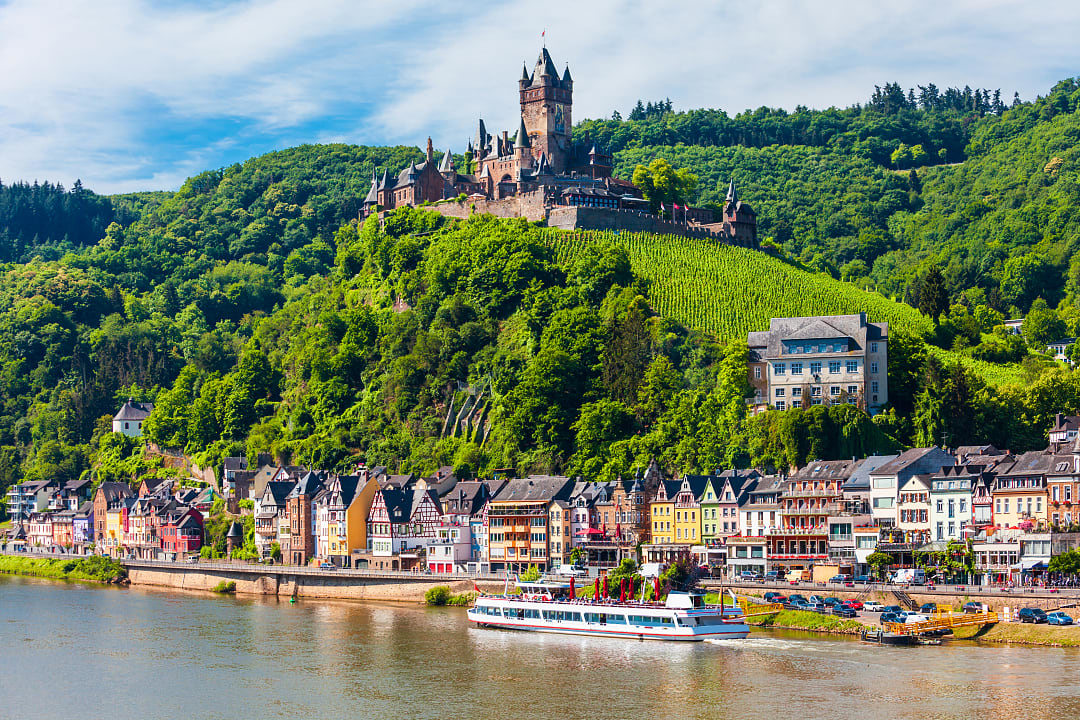
Reichsburg Castle on the hill in Cochem along the Moselle river in Germany
Cochem, Germany

Zicasso can help you plan every detail of your European journey, from accommodations and transfers to daily experiences and special occasions. You can begin by exploring our Europe tours and vacations, which offer customizable itineraries curated by destination experts, or by browsing our most-requested Europe itineraries and first‑timer suggestions for inspiration.

Once you have a sense of where you want to go and how you like to travel, you can complete a trip request outlining your preferred destinations, dates, duration, and rough budget. Our Travel Care team will then match you with a specialist who will refine your itinerary, adjust details until it feels exactly right, and remain available throughout your trip to answer questions, make changes, and support you if anything unexpected arises.

31,000+ Verified Traveler Reviews