Top 12 Most Underrated Cities in Europe

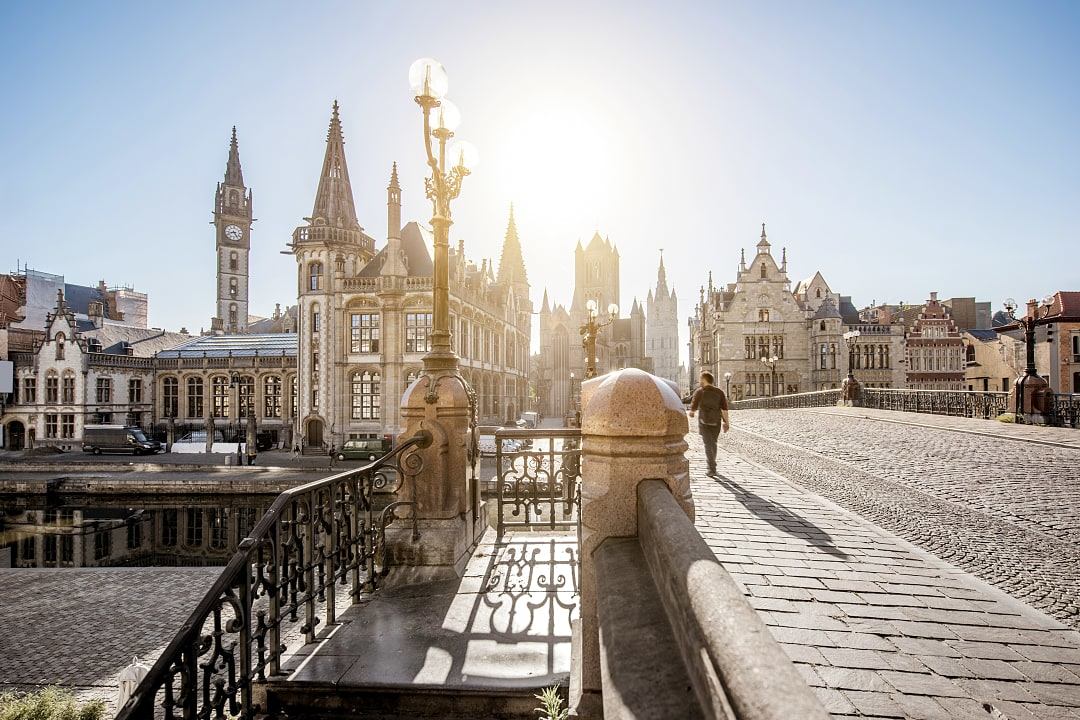
Canal in Ghent, Belgium

Ghent, Belgium

The most underrated cities in Europe tend to sit within sight of the destinations that overshadow them: a fortress town an hour from Prague, a coastal city eclipsed by its more famous Adriatic neighbors, a cathedral town that never had to compete for attention because it never tried to. That proximity is exactly why these places stay underrated rather than undiscovered. Travelers pass close enough to see the sign for the exit and keep driving toward the name they already know.

That's a planning failure as much as a fame problem. A crowded Colosseum queue and a quiet Sassi cave dwelling in Matera cost roughly the same amount of vacation time to reach, but only one of them requires elbowing past a tour group to see. These cities were chosen because each offers a version of Europe's classic pleasures, ancient history, architecture, and regional cuisine without the crowd tax that comes with their more famous counterparts.

Extraordinary travel begins with a human touch and our destination specialists design every journey with meticulous care and attention to detail. When it comes to underrated destinations, a Zicasso travel specialist knows which quiet cathedral town rewards a full day and which is better as a half-day detour, and arranges the private guides and local access that make a lesser-known city feel discovered rather than merely visited. Because every itinerary is personalized, the same cities below can anchor a slow, food-and-culture-focused trip for one traveler or serve as a handful of detours woven into a more classic itinerary for another.

1. Nafplio, Greece

Nafplio, Greece
Nafplio, Greece

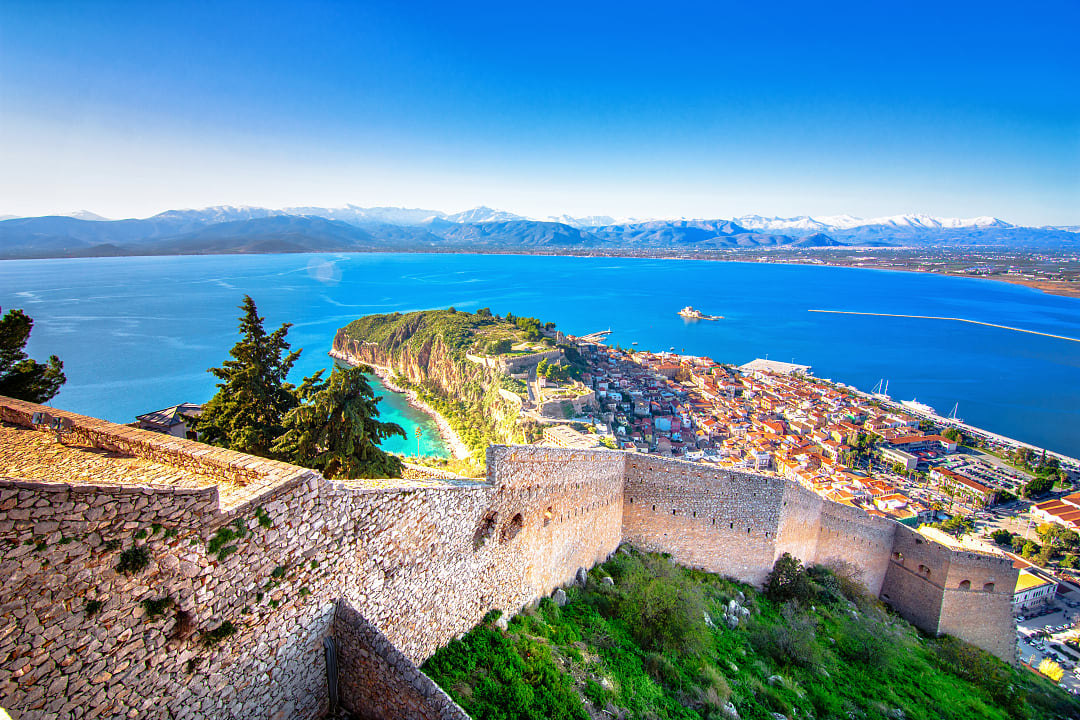
Nafplio was Greece's first modern capital, yet it carries almost none of the tourist weight that title usually implies. This leaves its Venetian fortresses and neoclassical streets to be experienced at an unhurried pace rather than through a crowd.

Late afternoon is when the town gives itself away: the ochre and rust-colored facades along the harbor catch the light and hold it, church bells carry across rooftops with almost nothing to compete against, and the scent of grilled octopus drifts out from kitchens still hours from their dinner rush. Cats stretch out on sun-warmed Venetian steps as if the whole town had been built for their comfort rather than anyone else's, and by the time the fishing boats start coming in, the loudest sound in the square is usually just cutlery against a plate.

What to Expect

  • Fortress climb: Nearly a thousand worn stone steps switch back up the hillside to Palamidi, the sea breeze picking up with every turn until the Argolic Gulf opens out in full below.
  • Sea fortress: A small wooden boat cuts across the harbor's flat water to reach the island fortress of Bourtzi, its stone walls rising directly out of the sea with no dock crowd to push through.
  • Wander Old Town: Neoclassical mansions and Venetian-era buildings line narrow streets that stay notably quiet compared with Athens, footsteps on cobblestone often the only sound between one corner and the next.
  • Harbor tavernas: Fresh seafood and local specialties like fortouma pastries are served at small, family-run tavernas along the waterfront, plates arriving still hissing from the pan.
  • Mountain drive: A short trip into the nearby Arcadian Mountains reaches secluded villages far removed from the coastal tourist route, the air noticeably cooler and pine-scented as the road climbs.

A Journey Through History

  • First capital: Nafplio was the first capital of modern Greece following independence in the early 19th century, before the seat of government moved to Athens.
  • Venetian rule: The town's fortifications, including Palamidi, were built during a period of Venetian control over the Peloponnese in the 17th and 18th centuries.
  • Ottoman transition: Nafplio changed hands between Venetian and Ottoman rule multiple times, a history still visible in the town's mixed architectural styles.
  • Bourtzi's role: The small island fortress of Bourtzi was built by the Venetians specifically to control access to the harbor below Palamidi.
  • Ancient Argolis: The surrounding Argolic region was a significant center of Mycenaean civilization, predating Nafplio's medieval and modern history by thousands of years.

Where to Enjoy Your Visit

  • Old Town Nafplio: The neoclassical core, best explored on foot.
  • Palamidi Fortress: Reachable by stairs or a short drive for those skipping the climb.
  • Bourtzi Island: A short private boat trip from the town's harbor.
  • Arvanitia Promenade: A coastal walking path connecting the Old Town to nearby beaches.
  • Epidaurus: A day trip reaching one of Greece's best-preserved ancient theaters.

Plan your trip after looking at our Greece tours and vacations. They can be customized to your exact preferences.
2. Matera, Italy

Matera skyline viewed from an ancient  Sassi cave dwelling in Italy
Matera, Italy

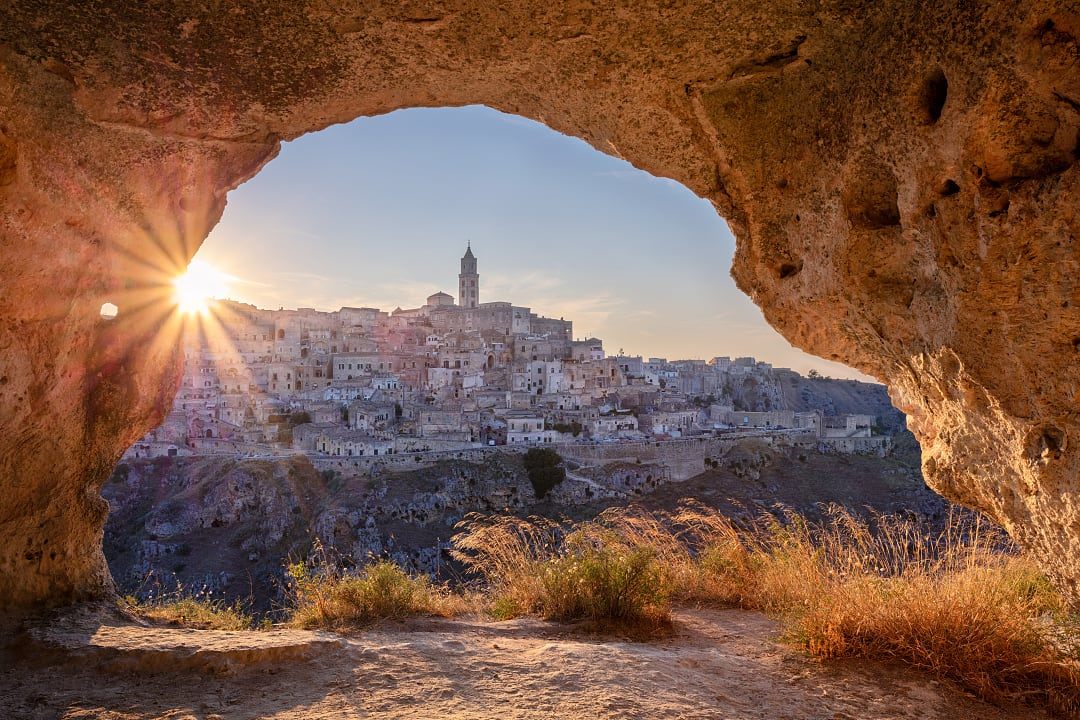
Matera's ancient Sassi district features cave dwellings carved directly into limestone cliffs, continuously inhabited in some form since prehistoric times. This makes a walk through the district feel as if you are moving through a layered, still-occupied excavation.

Stone holds temperature here in a way that changes how the whole district feels underfoot: the caves stay cool and mineral-smelling even at midday, while the exposed limestone alleys above radiate heat back up through the soles of your shoes by afternoon. Come evening, small lamps and candlelight appear in cave-front windows and along stepped passages, and the whole ravine seems to glow amber rather than go dark, with the low murmur of dinner conversation echoing oddly off the rock instead of fading into open air the way it would anywhere else.

What to Expect

  • Cave-dwelling tour: A guided walk through the historic Sassi district reveals homes, stables, and churches all carved from the same limestone, the air inside noticeably cooler and quieter than the streets above.
  • Rock-hewn church: Frescoed chapels cut directly into the cliffside show centuries of religious art preserved in an unusual architectural setting, colors still visible in the low, filtered light.
  • Civita viewpoint: A path across the ravine offers a full panoramic view of the Sassi district built into the opposite cliff face, the stone glowing gold as the sun drops.
  • Trattoria meal: Regional dishes like cialledda and pignata are served in small restaurants tucked into the cave district itself, the smell of slow-cooked lamb reaching the alley before the door does.
  • Murgia Park: The rocky plateau surrounding Matera holds additional cave churches and ancient farming terraces beyond the city itself, the silence broken only by wind and the occasional sheep bell.

A Journey Through History

  • Prehistoric habitation: The Sassi caves feature evidence of continuous human habitation dating back tens of thousands of years, among the oldest in the world.
  • Post-war evacuation: Residents were controversially relocated out of the Sassi in the 1950s after the caves were deemed a public health concern.
  • UNESCO recognition: Matera was named a UNESCO World Heritage Site in 1993, which helped fund the restoration efforts still ongoing today.
  • Capital of Culture: Matera was a European Capital of Culture in 2019, drawing renewed international attention to the city.
  • Film backdrop: The Sassi's ancient appearance has made it a filming location for multiple productions set in the biblical era.

Where to Enjoy Your Visit

  • Sasso Caveoso: The older, more rugged of the two cave districts.
  • Sasso Barisano: The more restored district, home to many boutique cave hotels.
  • Civita: The elevated core between the two Sassi districts, home to the cathedral.
  • Piazza Vittorio Veneto: The modern town's central square, above the cave districts.
  • Murgia Materana Park: The protected plateau across the ravine, reachable by a walking path.

For a taste of Matera, take a look at our Exclusive Southern Italy Vacation, which can be customized to your preferences.

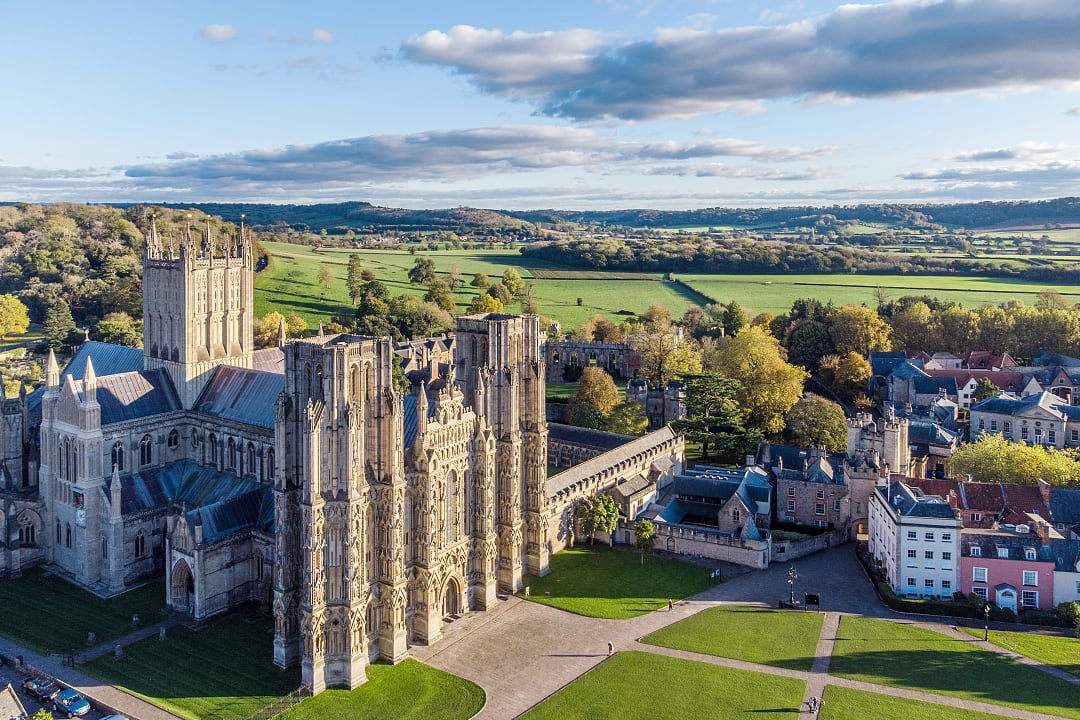
3. Wells, England

Wells, England
Wells, England

England's smallest city centers on a Gothic cathedral of real architectural significance, yet the town around it has maintained its market status, so a visit here reads as authentic rather than staged for tourism.

There's a particular hush to Wells that has nothing to do with size and everything to do with pace: swans glide across the moat below the Bishop's Palace with no one hurrying them along, the cathedral's stone holds a damp, mineral coolness even in summer, and on market days the calls of stallholders selling cheese and cut flowers carry clearly across a square small enough that you never lose the thread of the conversation. Walk Vicars' Close in the early morning before the shops open and the only sound left is your footsteps on a lane that has heard the same thing for six hundred years.

What to Expect

  • Cathedral interior: Intricate stone carvings and a famous scissor arch make this Gothic cathedral one of England's architectural highlights, the space holding a cool, echoing quiet even when a service is underway.
  • Palace gardens: Moated grounds surrounding the Bishop's Palace include gardens and natural spring wells that gave the city its name, the water running clear and startlingly cold even at the height of summer.
  • Vicars' Close: Considered one of the oldest purely residential streets in Europe still in its original use, this short lane retains its 14th-century character down to the worn stone underfoot.
  • Market square: A traditional English market still operates in the town's central square on select days, the smell of fresh bread and cut flowers mixing over the low chatter of stallholders.
  • Gorge day trip: A short drive reaches the dramatic limestone Cheddar Gorge and cave system in the surrounding Mendip Hills, the temperature dropping noticeably as you step underground.

A Journey Through History

  • Anglo-Saxon origins: Wells takes its name from natural springs that have flowed since Anglo-Saxon times, when a religious settlement first formed around them.
  • Gothic construction: Wells Cathedral was built primarily in the Early English Gothic style, beginning in the late 12th century.
  • Smallest city: Wells is often cited as England's smallest city by population, a status tied to its cathedral rather than its size.
  • Vicars' Close purpose: The close was built in the 14th century to house the cathedral's vicars choral and is still in a similar residential use today.
  • Palace fortification: The Bishop's Palace moat was added in the 14th century amid regional unrest, a rare defensive feature for an English bishop's residence.

Where to Enjoy Your Visit

  • Cathedral Close: The historic core surrounding the cathedral.
  • Market Place: The town's central square, lined with historic buildings.
  • Vicars' Close: A short walk from the cathedral's north side.
  • Cheddar Gorge: A short drive into the surrounding Mendip Hills.
  • Glastonbury: A nearby town often paired with Wells for a single day's countryside itinerary.

See our England tours and vacations or England travel guide for more inspiration and details on visiting the country.

4. Oviedo, Spain

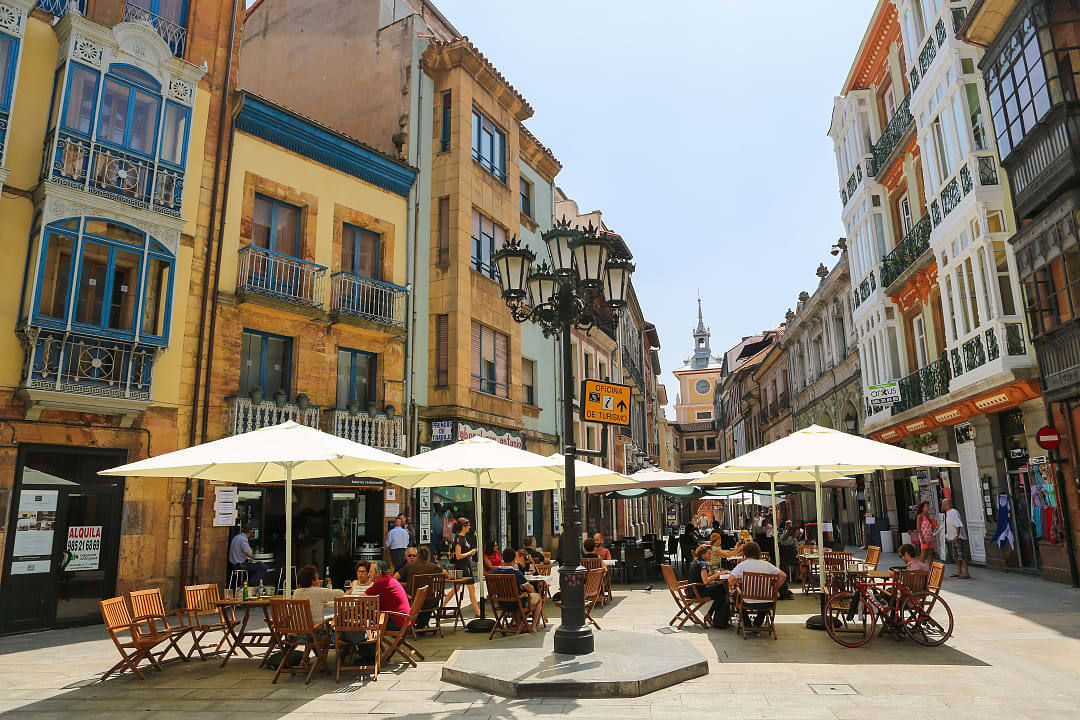
Lively plaza in Oviedo, Spain
Oviedo, Spain

Oviedo makes its case through contrast: this is Spain without the flamenco-and-flamenco-adjacent imagery most travelers expect, a green, rainy northern city built around cider, not sherry, and a distinct pre-Romanesque architectural style found almost nowhere else in the country.

The sensory signature of Oviedo is sound before it's sight: the sharp, splashing pour of cider hitting the bottom of a glass held at arm's length, repeated at nearly every bar along a single street, layered under the low buzz of conversation and the clatter of small plates of fabada being set down. Outside, the air is damp and green in a way that feels almost Atlantic rather than Mediterranean, the stone of the pre-Romanesque churches on the hillside above town holding a chill that has nothing to do with the season.

What to Expect

  • Cider ritual: Traditional sidrería cider houses pour bottles from a height to aerate the drink, the splash and pour becoming its own kind of background music before you've even taken a sip.
  • Pre-Romanesque church: Oviedo's UNESCO-listed churches, including Santa María del Naranco, represent an architectural style unique to this corner of Spain, their interiors cool and dim even at midday.
  • Old Quarter wander: Medieval streets lead to a Gothic cathedral housing the Cámara Santa's relic collection, the stone underfoot slick and dark from centuries of rain.
  • Fabada tasting: This hearty bean-and-sausage stew is the region's signature dish, arriving at the table still steaming and best sampled at a family-run restaurant.
  • Statue stop: A bronze statue commemorates Woody Allen's public praise of the city, a small, unusual landmark locals point to with pride.

A Journey Through History

  • Asturian capital: Oviedo was the capital of the Kingdom of Asturias, a Christian stronghold during the early centuries of the Moorish conquest of Iberia.
  • Pre-Romanesque style: The city's distinct pre-Romanesque churches, built in the 9th century, predate the Romanesque style found across the rest of Spain and Europe.
  • Camino origins: Oviedo marks the traditional starting point of the Camino Primitivo, considered the original route of the Camino de Santiago pilgrimage.
  • Cider tradition: Asturian cider-making dates back centuries, shaped by the region's cooler, apple-growing climate rather than the grape-growing conditions found further south.
  • Cámara Santa relics: The cathedral's Cámara Santa chapel has housed significant religious relics since the 9th century, drawing pilgrims for over a thousand years.

Where to Enjoy Your Visit

  • Casco Antiguo: Oviedo's Old Quarter, home to the cathedral and cider bars.
  • Santa María del Naranco: A short trip outside the city center to view the pre-Romanesque church.
  • Mercado El Fontán: A covered market for sampling local produce and delicacies.
  • Campo San Francisco: A central park useful for a break between sightseeing.
  • Gijón: A nearby coastal city often paired with Oviedo for a full Asturian itinerary.

Continue planning your Spain vacation after having a look at our Spain tours. Then ask our travel specialists to include Oviedo in your itinerary.

5. Narbonne, France

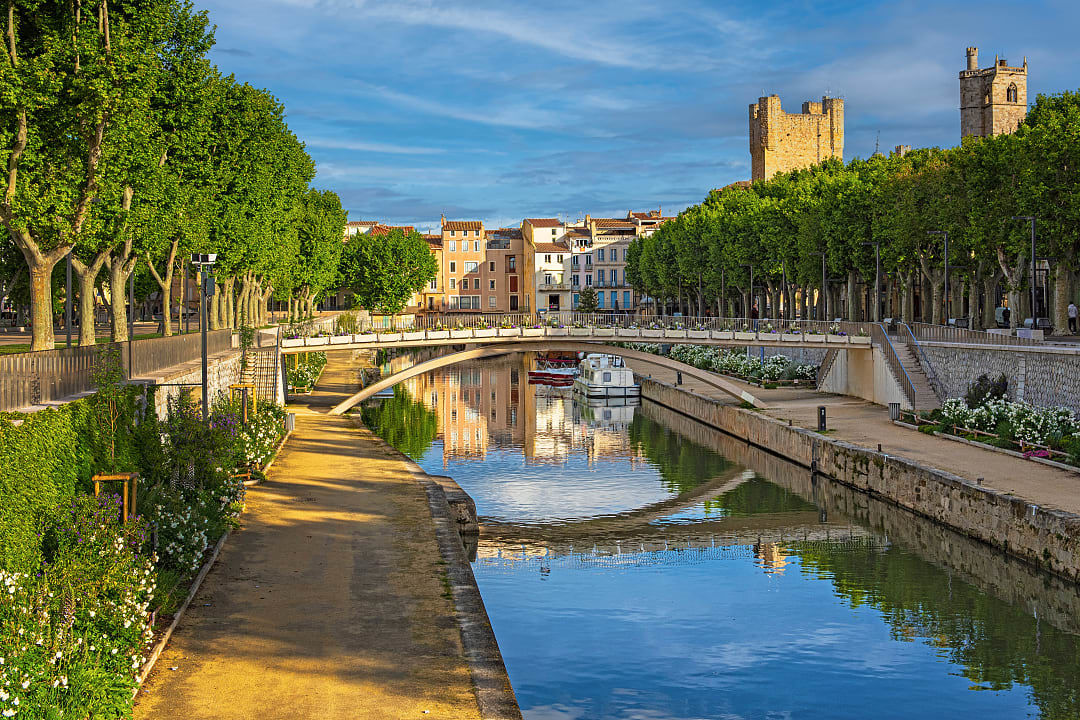
Tree lined walking path along the river in Narbonne, France
Narbonne, France

Narbonne is largely culinary and logistical at once: the same Provençal market culture and regional cuisine found in France's more famous southern cities exists here without the coastal crowds, largely because Narbonne sits inland from the beaches that draw most travelers' attention.

Les Halles sets the tone before you've bought anything: crushed ice under glistening fish, the sharp tang of unpasteurized cheese, olives glossy in their own brine, all of it under a wrought-iron roof that funnels the morning light down onto marble counters worn smooth by a century of transactions. Outside, the Canal de la Robine moves slowly enough that the plane trees along its banks seem to double themselves on the water's surface, and the whole town smells faintly of warm stone and lavender by early afternoon.

What to Expect

  • Market browse: Les Halles overflows with olives, cheese, and produce, a working food market rather than a tourist-oriented version of one, its marble counters cool under your palm even in summer.
  • Cathedral visit: An unusually ambitious, unfinished Gothic cathedral reflects the city's medieval wealth and later decline, its half-built nave open to the sky in one section.
  • Canal stroll: The Canal de la Robine, a branch of the Canal du Midi, runs directly through the city center, lined with cafés and plane trees whose shade drops the temperature noticeably along the water.
  • Roman Horreum: Underground Roman galleries, once used for grain storage, sit beneath the modern city center, the air below street level suddenly cool and still.
  • Archbishops' Palace: The former Palais des Archevêques now houses a museum tracing the city's Roman and medieval history, stone corridors holding the day's heat at bay.

A Journey Through History

  • Roman capital: Narbonne was founded as a Roman colony in 118 BC and served as the capital of the province of Gallia Narbonensis.
  • Medieval wealth: The city's unfinished cathedral reflects its medieval prosperity as a trading port, before the harbor silted up and shifted trade elsewhere.
  • Canal connection: The Canal de la Robine links Narbonne to the larger Canal du Midi, a 17th-century engineering project connecting the Atlantic to the Mediterranean.
  • Visigothic capital: Narbonne briefly served as the capital of the Visigothic Kingdom in the 5th century, following the decline of Roman authority.
  • Horreum function: The underground galleries originally built as Roman grain warehouses are among the best-preserved examples in France.

Where to Enjoy Your Visit

  • Les Halles de Narbonne: The city's historic covered market.
  • Cathedral quarter: The medieval core surrounding the unfinished cathedral.
  • Canal de la Robine: The waterway running through the center of town.
  • Palais des Archevêques: The former archbishops' palace, now a museum.
  • La Clape: A nearby limestone massif offering vineyards and coastal views.

For information on visiting France, see our France travel guide.

6. Ghent, Belgium

Gothic architecture in Ghent, Belgium
Ghent, Belgium

Ghent holds much of the same Gothic and canal-side charm that draws crowds to nearby Bruges, at a fraction of the tourist density. This is largely because Ghent is a working university city first and a tourist destination second.

Dusk changes Ghent almost completely. The gabled guild houses along the Graslei catch floodlight against a darkening sky and throw a second, rippled version of themselves onto the Leie below, while bicycle bells and student chatter drift over from the bridges rather than tour-group announcements. Inside Saint Bavo's, the air cools abruptly and holds a faint trace of old wax and stone dust, a stillness that makes the gold leaf on the Ghent Altarpiece seem to hold its own separate light.

What to Expect

  • Canal cruise: A private boat trip along the Leie and Scheldt rivers passes gabled guild houses lit for the evening, water lapping softly against the hull the whole way.
  • Gravensteen castle: This medieval castle of the Counts of Flanders includes a small museum of historical weaponry and instruments of justice, the stone stairwells cold and narrow underfoot.
  • Saint Bavo's Cathedral: Home to the Ghent Altarpiece, one of the most significant works of early Flemish painting, its gold leaf catching light in a hushed, incense-scented interior.
  • Graffiti Street: A city-sanctioned street art alley offers a modern counterpoint to Ghent's medieval architecture, the smell of fresh spray paint still hanging in the air on active days.
  • Patershol dining: This former artisan quarter is now filled with small restaurants serving Flemish specialties, the scent of stewed beef and beer drifting between the narrow lanes at dinnertime.

A Journey Through History

  • Cloth trade: Ghent grew into one of medieval Europe's wealthiest cities through the textile trade, rivaling Paris in size during the 13th century.
  • Counts' seat: Gravensteen Castle was the residence of the Counts of Flanders and later a courthouse and prison.
  • Van Eyck's altarpiece: The Ghent Altarpiece, completed in 1432 and attributed to Jan van Eyck, is considered one of the most influential works in Western art history.
  • Guild house legacy: The gabled houses along Ghent's canals were built by medieval trade guilds as residences and displays of commercial wealth.
  • University status: Ghent University, founded in the 19th century, still shapes the city's youthful, less tourist-dependent character today.

Where to Enjoy Your Visit

  • Graslei and Korenlei: The historic quaysides lined with guild houses, best seen by boat or on foot.
  • Gravensteen: The medieval castle at the heart of the old city.
  • Saint Bavo's Cathedral: Home to the Ghent Altarpiece.
  • Patershol: A dining-focused neighborhood near the castle.
  • Vrijdagmarkt: A historic market square still used for markets and events.

7. Český Krumlov, Czech Republic

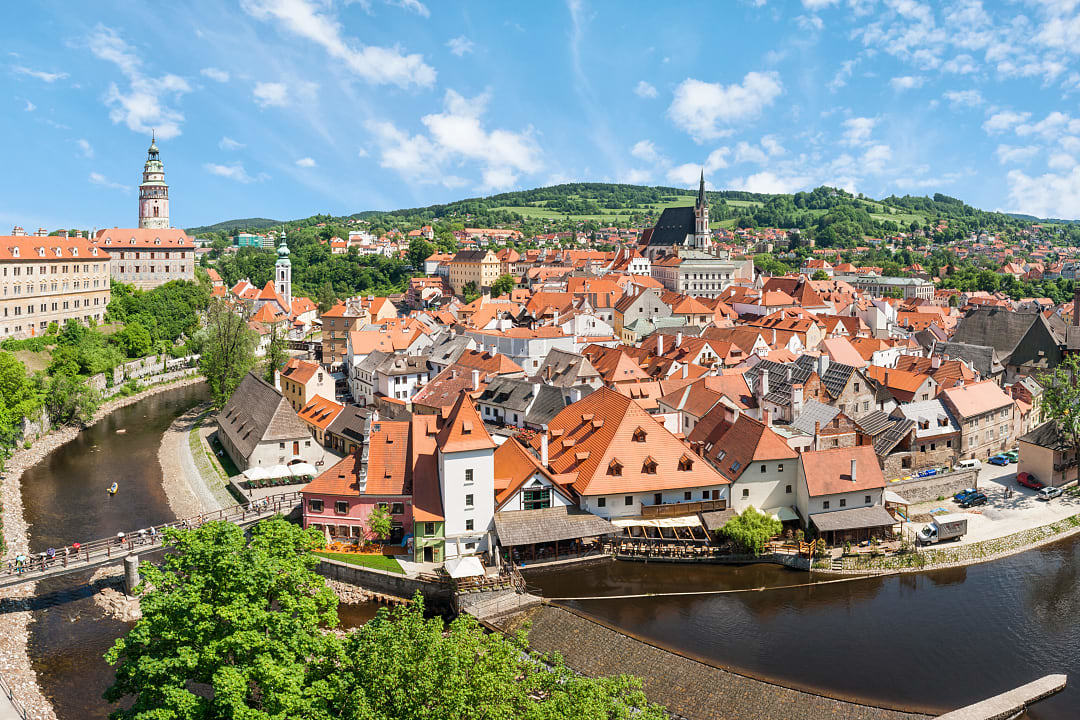
Český Krumlov, Czech Republic

There’s no arguing that Český Krumlov's case is proximity and scale at once. It’s close enough to Prague for a day trip, yet small and river-bound enough that its castle and old town never absorb the crowd density of the capital.

From the castle tower, the town below arranges itself almost too neatly, red rooftops packed inside the Vltava's tight bend and the river audible as a low, constant rush rather than seen as a single line of water. Down in the old town, that same river cools the air along its banks by several noticeable degrees and the smell of roasted trdelník sugar drifts from stalls near the square, mixing with woodsmoke from restaurant chimneys as evening comes on.

What to Expect

  • Castle tower: Panoramic views over the town's red rooftops and the looping Vltava River reward the climb up this painted tower, the wind picking up sharply near the top.
  • River float: A private raft or canoe trip along the Vltava that curls around the town offers a different vantage point on its layout, cold spray occasionally reaching the boat on faster stretches.
  • Castle gardens: Baroque gardens behind the castle include a rotating outdoor theater still used for performances today, gravel paths crunching underfoot between clipped hedges.
  • Old Town lanes: Colorful medieval facades line narrow streets largely unchanged since the town's medieval prosperity, cobblestones uneven and slick after rain.
  • Schiele museum: The Egon Schiele Art Centrum highlights the painter's time in the town and his complicated relationship with local residents, the galleries quiet enough to hear your own footsteps between rooms.

A Journey Through History

  • Rosenberg seat: The town and castle were held for centuries by the powerful Rosenberg family, one of Bohemia's most influential noble houses.
  • UNESCO status: Český Krumlov's well-preserved medieval and Renaissance core was named a UNESCO World Heritage Site in 1992.
  • River-bound layout: The Vltava River's tight bend around the town shaped its defensive layout and limited later urban expansion, preserving its historic form.
  • Baroque theater: The castle's 18th-century Baroque theater is one of the few in the world to survive with its original stage machinery intact.
  • Schiele's exile: Painter Egon Schiele lived briefly in the town, his mother's birthplace, before being driven out by residents uncomfortable with his lifestyle and subject matter.

Where to Enjoy Your Visit

  • Castle Complex: Including the tower, gardens, and Baroque theater.
  • Old Town Square: The historic center, lined with shops and restaurants.
  • Vltava Riverbanks: The launch point for river floats and rafting trips.
  • Latrán Street: A historic street connecting the Old Town to the castle.
  • Schiele Art Centrum: A short walk from the main square.

Take a look at our Czech Republic tours to see how you can fit Český Krumlov into your itinerary.

8. Opatija, Croatia

Opatija, Croatia
Opatija, Croatia

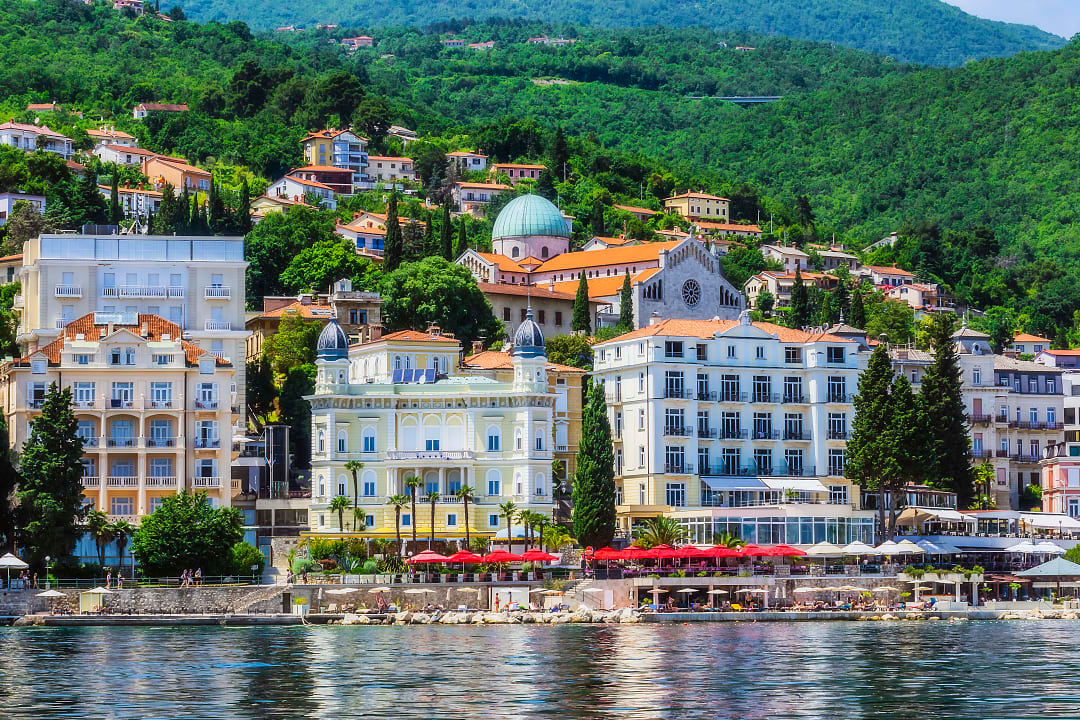
Opatija was a 19th-century Habsburg resort built specifically for leisure and its promenades and villas still carry that formal, unhurried character rather than the beach-club energy found further down the Adriatic.

Salt is the first thing you notice, carried on a breeze that moves steadily along the whole length of the Lungomare. It’s thick with the smell of pine from the slopes above and occasionally cut through with the sharper scent of grilled fish from a waterfront terrace. The water itself is a startling, almost artificial turquoise against the pale rock of the coves, cold enough on first entry to catch your breath, yet warm enough within a minute that most swimmers stay far longer than they'd planned.

What to Expect

  • Promenade walk: The 7.5-mile Lungomare coastal path was originally built for Habsburg-era leisure strolls and still frames dramatic Adriatic views, salt air constant the entire length.
  • Villa gardens: Subtropical gardens surround the 19th-century Villa Angiolina, credited with starting Opatija's history as a resort town, the shade noticeably cooler and thick with the scent of camellias in bloom.
  • Cove swimming: Clear turquoise water and rocky coves along the promenade offer swimming without the crowds of Croatia's more famous beach towns, the water cold enough at first entry to make you gasp.
  • Waterfront dining: Fresh seafood and local wines are served at restaurants directly along the shore, the smell of grilled fish carrying out over the water at dusk.
  • Mountain day trip: A short drive into the surrounding Učka Nature Park offers hiking trails with views back down over the coast, the air turning noticeably cooler and pine-scented with every switchback.

A Journey Through History

  • Habsburg origins: Opatija developed into a fashionable resort in the 19th century under Austro-Hungarian rule, drawing aristocracy and royalty from across the empire.
  • Villa Angiolina's role: The construction of this villa in 1844 is widely credited with launching Opatija's transformation into a leisure destination.
  • Health resort status: The town's mild microclimate led 19th-century physicians to recommend it as a winter health resort, a reputation that shaped its early tourism.
  • Promenade construction: The Lungomare was built in stages starting in the late 19th century, designed specifically for the leisurely strolling culture of the era.
  • Maritime legacy: The wider Kvarner Gulf region has a long maritime trading history predating Opatija's resort era by centuries.

Where to Enjoy Your Visit

  • Lungomare Promenade: The main coastal walking path connecting Opatija to neighboring towns.
  • Villa Angiolina: The historic villa and gardens at the town's center.
  • Slatina Beach: A central swimming area along the promenade.
  • Volosko: A small fishing village on Opatija's edge, known for seafood restaurants.
  • Učka Nature Park: A short drive into the mountains above the coast.

For further inspiration on planning a trip to Opatija, see our Croatia’s Captivating Past: Historical Tour of Croatia.

9. Doolin, Ireland

Doonagore Castle on the coast in Doolin, Ireland
Doonagore Castle in Doolin, Ireland

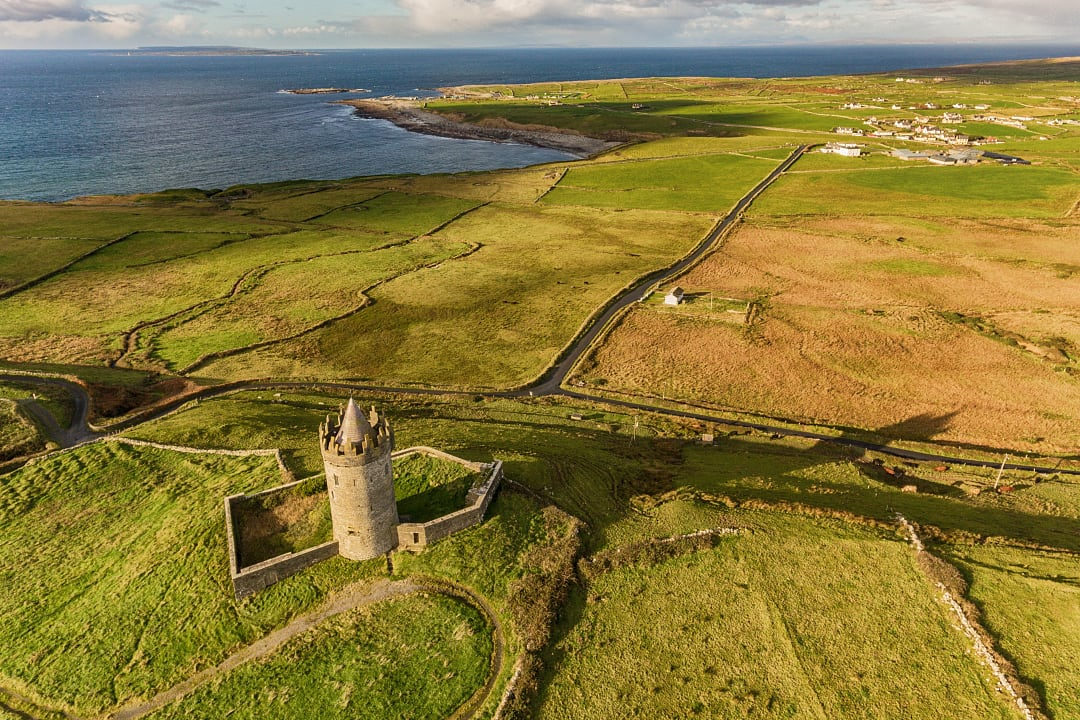
Doolin's case has little to do with scenery, though the nearby Cliffs of Moher provide plenty, and everything to do with a specific, still-living tradition: this small village hosts an unusually concentrated, informal traditional Irish music scene, carried on nightly in pubs.

Step into one of the area’s venues on any given night and the music arrives before the door has fully closed behind you, fiddle and bodhrán layered under the low hum of pint glasses and turf-fire warmth, with nobody on a stage and nobody asking for quiet. Outside, the Atlantic wind off the Cliffs of Moher is a different sensation entirely. It’s cold and briny enough to sting and loud enough near the cliff edge that conversation has to raise itself just to be heard over the waves breaking far below.

What to Expect

  • Music session: Local musicians gather most nights informally, playing fiddle, bodhrán, and tin whistle in an unstructured, communal setting, the sound spilling out onto the street between songs.
  • Cliffs walk: A short trip reaches the dramatic Cliffs of Moher, best visited early or late to avoid tour-bus crowds, wind strong enough near the edge to catch a loose scarf.
  • Islands ferry: Boats depart from Doolin's harbor for the Aran Islands, where Irish remains the primary spoken language, sea spray reaching the deck on choppier crossings.
  • Cave visit: Doolin Cave holds one of the longest known free-hanging stalactites in the Northern Hemisphere, the air below noticeably damp and mineral-cool.
  • Coastal trail: A walking path along the cliffs connects Doolin to the Cliffs of Moher without requiring a car, gorse and salt air scenting the whole route.

A Journey Through History

  • Music revival: Doolin's reputation as a music destination grew significantly during the mid-20th-century Irish traditional music revival, when the village became a gathering point for musicians.
  • Famine emigration: Like much of County Clare, the area saw significant emigration during and after the Great Famine of the 1840s, shaping its small modern population.
  • Islands connection: Doolin's ferry link to the Aran Islands ties the village to one of Ireland's most enduring strongholds of Gaelic language and culture.
  • Cliffs formation: The Cliffs of Moher themselves formed from sedimentary rock layers roughly 320 million years ago, long predating any human settlement in the area.
  • Pub culture: The village's pub-centered social life reflects a broader rural Irish tradition where pubs functioned as community gathering points beyond simply serving drinks.

Where to Enjoy Your Visit

  • Doolin Village Center: Home to the main pubs hosting nightly music sessions.
  • Cliffs of Moher: A short drive or coastal walk from the village.
  • Doolin Pier: The departure point for Aran Islands ferries.
  • Doolin Cave: A short drive from the village center.
  • The Burren: A stark limestone landscape nearby, known for unusual wildflowers and ancient tombs.

See our Ireland travel guide for more information on visiting the country.

10. Guimarães, Portugal

Nossa Senhora Da Consolacao in Guimarães, Portugal

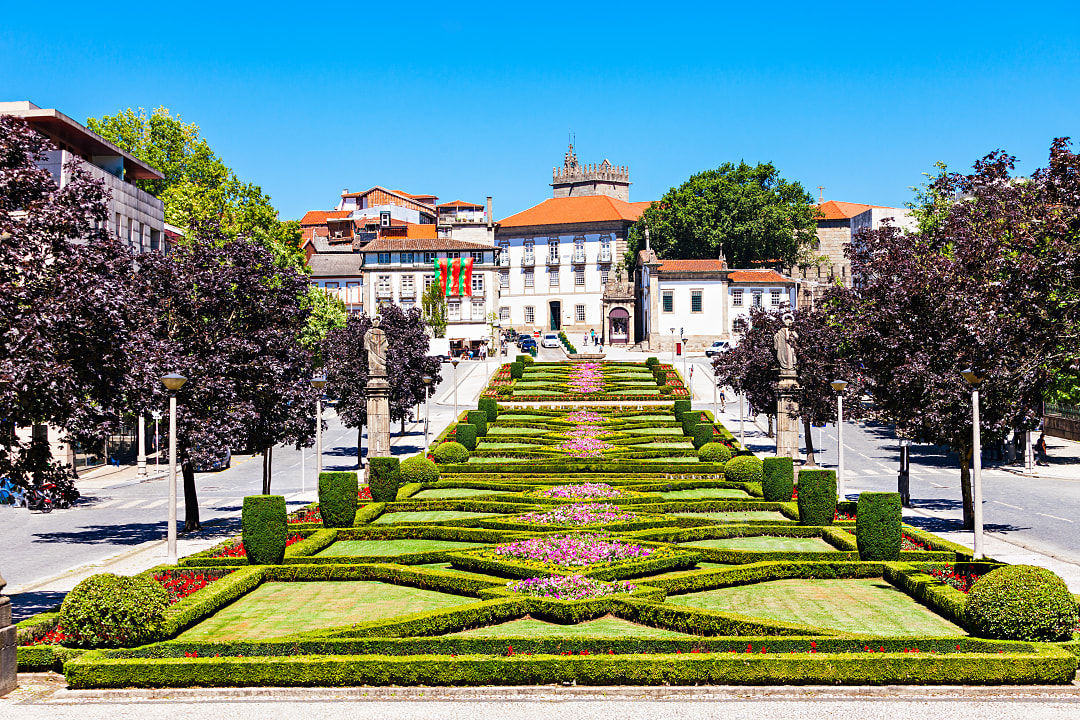
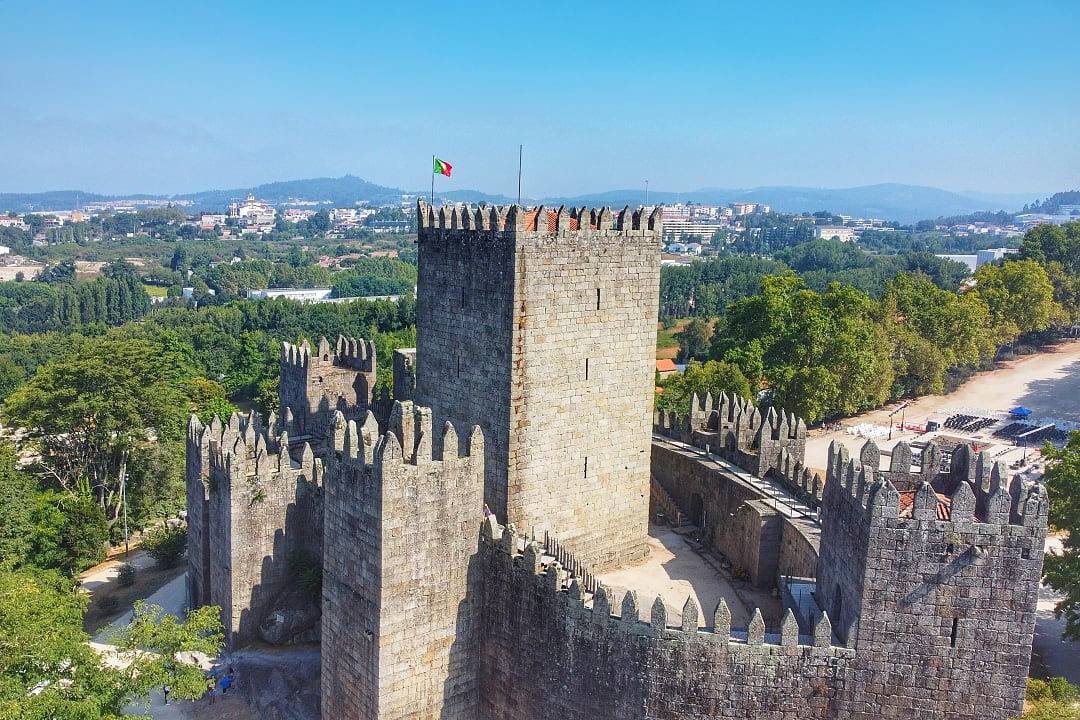
Guimarães is widely regarded as the birthplace of Portugal as a nation, which gives its castle and medieval town square a historical weight that few underrated cities anywhere in Europe can claim outright.

Granite is everywhere in Guimarães, in the castle ramparts, the medieval squares, and the steep lanes underfoot. It also holds the cold long after the sun has warmed everything else, so shaded corners of the old town stay noticeably cool well into the afternoon. From the Penha funicular, the whole historic center flattens into a patchwork of terracotta roofs below, church bells rising up faintly through the pines, while down in the taverns the smell of grilled sardines and roasting chestnuts marks the seasons more reliably than any calendar.

What to Expect

  • Castle walk: These 10th-century ramparts are traditionally linked to the birth of Portugal's first king, giving the climb a specific historical resonance, the granite cold underhand even in summer.
  • Ducal palace: The Paço dos Duques, a former ducal palace now a museum, displays tapestries, armor, and furnishings from Portugal's early nobility, the great hall's timber roof creaking faintly overhead.
  • Medieval square: The historic center's squares and narrow streets remain largely intact, forming one of Portugal's best-preserved medieval urban cores, granite cobblestones worn smooth and slick after rain.
  • Sanctuary funicular: A short funicular ride reaches the hilltop Penha Sanctuary and viewpoint above the city, the air noticeably thinner and pine-scented at the top.
  • Tavern tasting: Traditional Portuguese dishes are served in small, family-run taverns throughout the old town, the smell of grilled sardines drifting out into the street at dusk.

A Journey Through History

  • Nation's birthplace: Guimarães is traditionally credited as the birthplace of Afonso Henriques, Portugal's first king, and is often called "the cradle of the nation."
  • Castle origins: The castle was originally built in the 10th century to defend against Moorish and Norman raids before later becoming linked to Portuguese independence.
  • UNESCO center: Guimarães's historic center was named a UNESCO World Heritage Site in 2001 for its exceptionally preserved medieval urban fabric.
  • Palace construction: The Paço dos Duques was built in the 15th century by the Dukes of Braganza, one of Portugal's most powerful noble families.
  • Textile legacy: Guimarães later became a center of Portugal's textile industry, a history reflected in the city's continued design and manufacturing culture today.

Where to Enjoy Your Visit

  • Historic Center: The medieval core surrounding the main squares.
  • Guimarães Castle: Set on a hill above the old town.
  • Paço dos Duques de Bragança: Adjacent to the castle.
  • Penha Sanctuary: Reachable by funicular from the city center.
  • Largo da Oliveira: The town's central square, lined with cafés and historic buildings.

Our 7-Day Portugal History and Culture Itinerary includes Guimarães, so speak to one of our travel specialists about arranging a trip to the country’s birthplace.

11. Foix, France

Foix, France
Foix, France

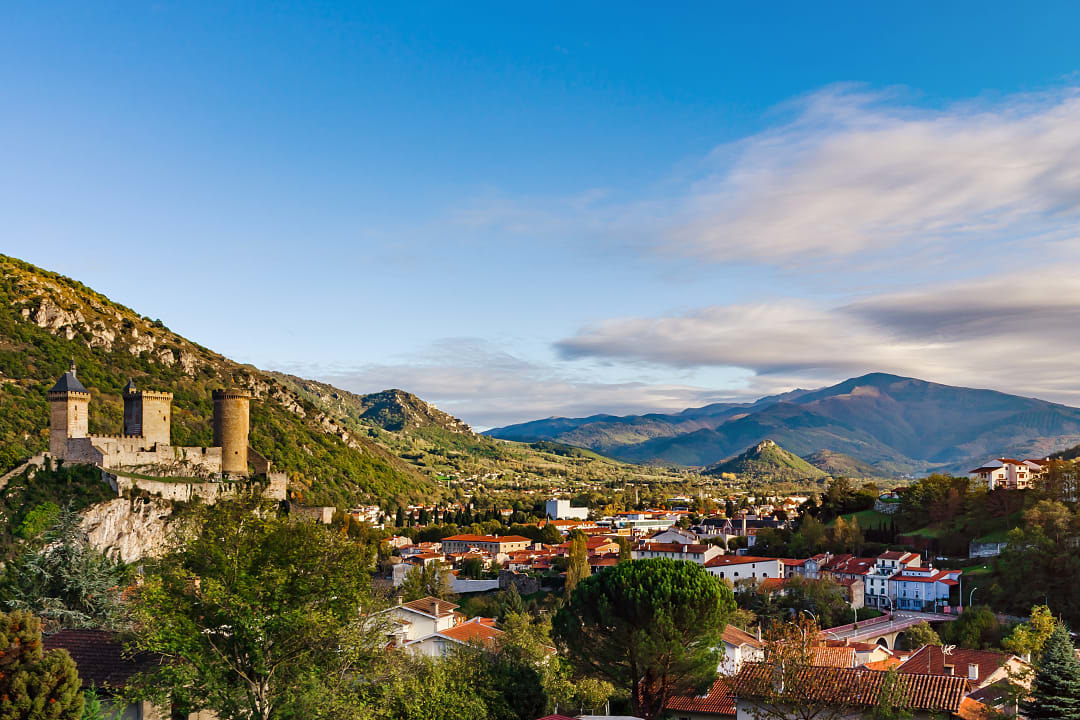
Foix makes its underrated case through geographic isolation. Tucked into the Pyrenees foothills, its castle and counts' history never became a mass tourist stop the way better-connected French châteaux did, which leaves the town's medieval character largely undiluted.

From the castle ramparts, the Ariège valley falls away in layers of green that get hazier toward the mountains. The air is noticeably thinner and colder than in the streets below, and carries the resin smell of pine forest rather than anything from the town itself. Below ground at Labouiche, that entire sensation reverses: the temperature drops sharply, the boat's oars dip almost silently into black water, and the only light comes from the guide's lamp catching centuries of mineral formations overhead.

What to Expect

  • Castle towers: Three imposing towers dominate the town's skyline, with interiors tracing the history of the once-powerful Counts of Foix, spiral stone stairwells cold and narrow underfoot.
  • Valley viewpoint: The castle's ramparts offer sweeping views over the surrounding Ariège valley, wind picking up sharply at the highest point.
  • Café stop: Narrow medieval streets are lined with small cafés serving strong, local coffee, the smell reaching the street well before the counter.
  • Underground river: A short trip from town reaches Labouiche, Europe's longest navigable underground river, explored by boat, the air below noticeably damp and mineral-cool.
  • Cathar sites: The surrounding Ariège region holds several ruined fortresses tied to the medieval Cathar religious movement, exposed stone walls still catching the wind on their hilltops.

A Journey Through History

  • Counts' legacy: The castle served for centuries as the seat of the Counts of Foix, a powerful noble family with significant regional independence from the French crown.
  • Cathar conflict: The wider region was deeply involved in the Albigensian Crusade against the Cathar movement in the 13th century.
  • Strategic position: The castle's location was chosen specifically to control a key route through the Pyrenees between France and the Iberian Peninsula.
  • Later prison use: Following the decline of the Counts of Foix, the castle was repurposed as a prison, a function it retained into the 19th century.
  • Occitan roots: Foix sits within the historic Occitania region, whose distinct language and culture still shape local identity today.

Where to Enjoy Your Visit

  • Château de Foix: The castle dominating the town's center.
  • Old Town Foix: The medieval streets surrounding the castle base.
  • Labouiche River: A short drive from the town center.
  • Ariège Valley: The surrounding countryside, popular for hiking and Cathar-site touring.
  • Montségur: A nearby ruined Cathar fortress, reachable as a day trip.

Include Foix in our customizable Breathtaking South of France Tour after speaking to a travel specialist.

12. Koper, Slovenia

Koper old town with the harbor in Slovenia
Koper, Slovenia. Photo courtesy of Jaka Ivančič / Slovenian Tourist Board

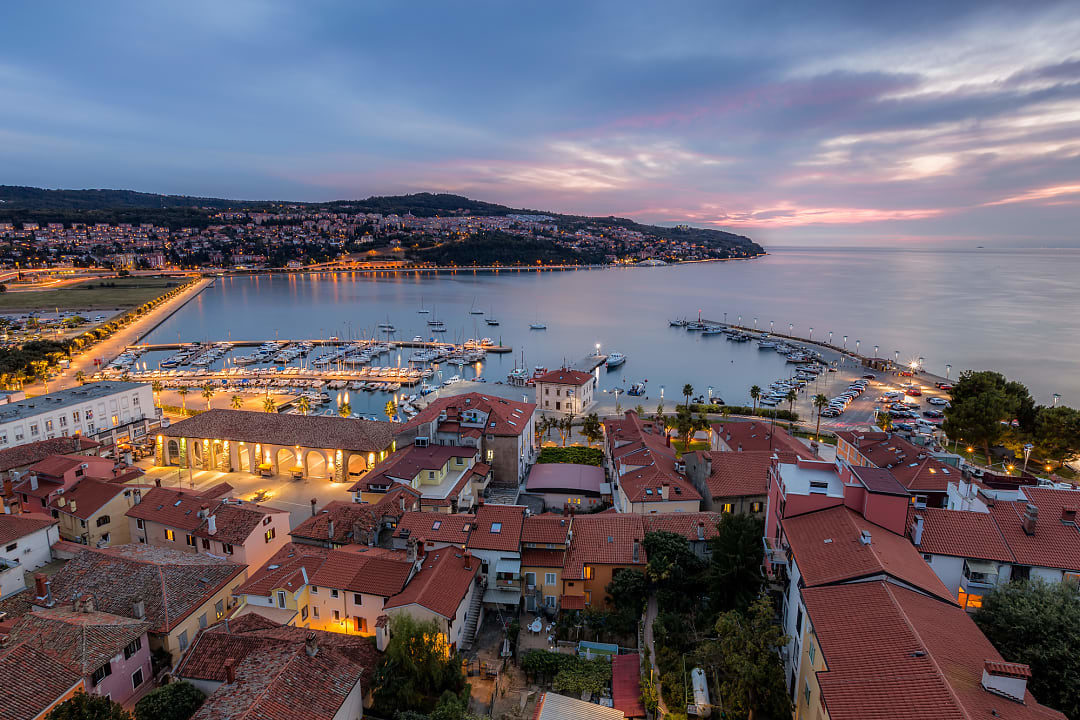
Koper is Slovenia's main port city and a genuine Mediterranean town in its own right, yet it sits overshadowed by the country's better-known mountain lakes and capital, leaving its Venetian architecture largely to locals.

The port announces itself before you see it, a low mineral tang of salt and diesel carried on the breeze even from the pedestrianized square, while inside the cathedral the stone stays cold and echoing regardless of the heat outside. In the old town's back lanes, laundry strung between buildings barely stirs in the still afternoon air and the pace only picks up again near the harbor at dusk, when fishing boats return and the smell of the day's catch briefly overtakes the salt smell of the sea itself.

What to Expect

  • Cathedral tower: A climb up the Koper Cathedral bell tower rewards with views over the town's red-tiled roofs and the Adriatic coastline beyond, the wind sharpening noticeably at the top.
  • Praetorian Palace: This Venetian Gothic building anchors the town's main square and reflects centuries of Venetian administrative rule, stone facades holding the day's heat well into evening.
  • Old Town square: Compact and largely pedestrianized, Koper's historic center reflects a distinctly Venetian architectural style rare elsewhere in Slovenia, footsteps echoing between close-set buildings.
  • Regional museum: Local museums trace Koper's maritime trading history and the region's mixed Italian and Slovenian cultural heritage, the galleries cool and quiet compared to the square outside.
  • Coastal promenade: A waterfront path connects Koper to nearby Adriatic towns along Slovenia's short coastline, the smell of the working port never far off.

A Journey Through History

  • Venetian center: Koper served as the administrative capital of Venetian-controlled Istria for centuries, which shaped much of its surviving architecture.
  • Roman origins: The town's origins trace back to a Roman-era settlement, predating its later development under Byzantine and Venetian rule.
  • Istrian blend: Koper's history reflects a long-standing blend of Italian, Slovenian, and Croatian influences typical of the wider Istrian peninsula.
  • Border shifts: The town changed hands between Italy and Yugoslavia following the Second World War, part of a broader, often contentious redrawing of the northern Adriatic border.
  • Trade legacy: Koper's port has functioned as a trading hub since antiquity and remains Slovenia's only significant maritime port today.

Where to Enjoy Your Visit

  • Titov trg (Tito Square): The historic main square, home to the Praetorian Palace and cathedral.
  • Koper Cathedral: Adjacent to the main square, with a climbable bell tower.
  • Muda Gate: One of the surviving gates from the town's medieval fortifications.
  • Koper Port: The working harbor that still anchors the town's economy.
  • Ankaran: A nearby coastal town along Slovenia's short stretch of Adriatic coastline.

Continue planning with Zicasso’s Slovenia tours and vacations.

Experience the Beauty of Underrated Destinations in Europe

Guimarães Castle in Guimarães, Portugal

Whether the draw is a medieval castle, a quiet stretch of shoreline, a cave carved into limestone, or a cider poured with theatrical flourish, these underrated cities offer the same texture of experience as Europe's most famous stops, minus the queues. What connects them isn't obscurity for its own sake, but proximity to fame without the crowd that fame usually brings.

A Zicasso specialist's role is matching these lesser-known cities to the traveler they'll actually suit, whether as the anchor of a slower, off-the-beaten-path itinerary or as a handful of detours woven into a more classic route. Discover more ideas and inspiration with our Europe travel guide or explore new possibilities with our Europe tours and trip packages.

32,000+ Verified Traveler Reviews