Beyond the Circuit: Africa's Hidden Luxury Safaris

South Luangwa river, Zambia.

South Luangwa river, Zambia.

Africa's hidden luxury safaris redefine what it means to connect with the wild. They include expert guides who know every lion's lineage, open plains that belong entirely to you, and a considered approach to every detail; these are the hallmarks of an experience built on genuine privilege.

Walking safaris in Zambia's South Luangwa place you at eye level with the bush, Botswana's hidden Okavango camps offer unhurried flexibility, and photography safaris capture golden-hour spectacle at a leisurely pace. Discover intimate camps where guests never outnumber the resident elephant herd, conservation lodges where your presence directly funds anti-poaching efforts, and mobile camps that follow ancient migration routes with elegant simplicity. This, alongside private island retreats and lagoon-facing tented camps that blend barefoot luxury with ecological sensitivity.

Extraordinary travel begins with a human touch and our destination specialist will design your journey with care, insight, and personal attention. They draw on intimate knowledge to craft the hidden safari experience that is right for you. Browse the experiences below, then plan your journey with a Zicasso safari consultant.

The Karoo Unveiled

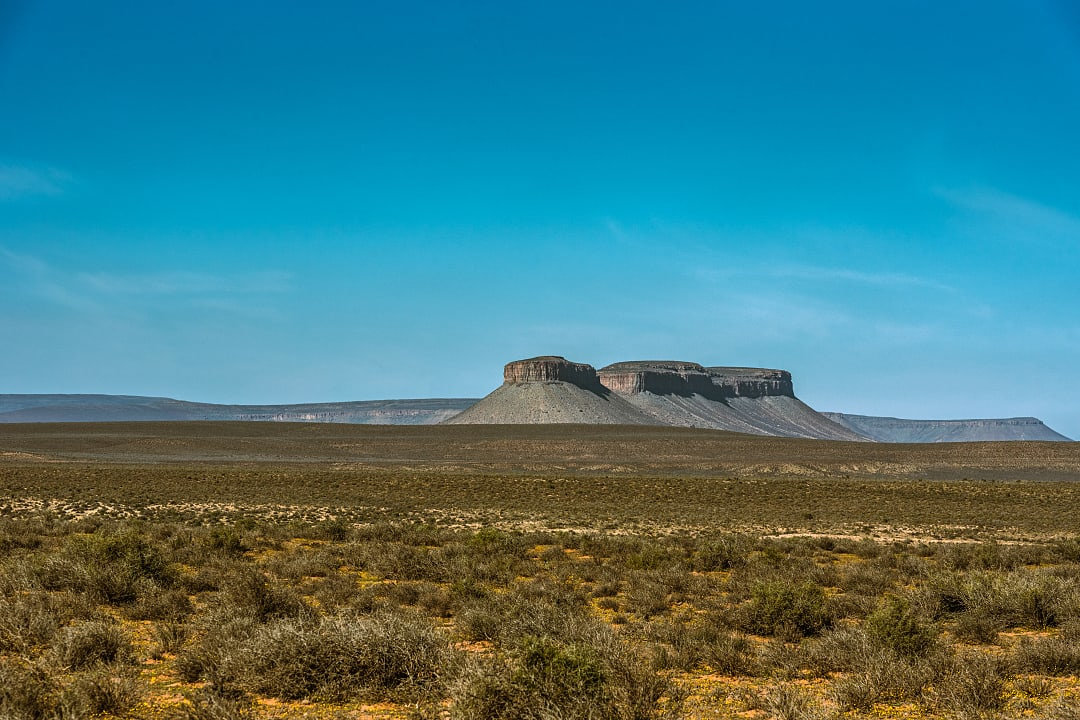
Karoo Desert, South Africa.

Your safari turns meditative in the Karoo, where luxury lodges nestle into sand dunes, salt pans, and rocky outcrops shaped by 250 million years of geological drama. In South Africa's semi-desert heartland, silence is a palpable, defining presence, felt most profoundly in the crisp air of late May to early September, when humidity vanishes, horizons stretch 30 miles, and the Milky Way dominates a sky, uninterrupted by light or noise.

Guided walks through fossilized valleys, spa treatments timed to the evening's cooling breath, and estate wine-paired meals that unfold at the desert's unhurried pace. From late September to early May, afternoon storms, wildflower explosions, and golden-hour walks offer an entirely different, equally rewarding experience.

The Karoo suits all fitness levels and ages. Three to five nights is the ideal window, as it is long enough to absorb paleontology trails and San rock art sites. It works beautifully as a slow, contemplative finale after a wildlife-intensive bush safari, a deliberate pause that makes the whole journey feel complete.

Who thrives here: Contemplative travelers • Creatives seeking inspiration • Couples wanting digital detox • Solo journeyers comfortable with introspection

Exclusive-Use Sabi Sands

View of a watering hole from a lodge in Sabi Sands. Photo courtesy of MORE Family Collections.

In Sabi Sands, radical privacy is the defining luxury. A leopard sighting here belongs to you alone, one vehicle, one moment, entirely yours. Entire villas, lodges, and camps reserved solely for your group, tucked into riverine forest or overlooking plains with Africa's highest leopard density, where a private team shapes every day entirely around your schedule. Sleep until noon, skip drives for the pool, or linger over sundowners until the stars appear. Your waterhole, your pace, your call.

The dry season from May to September delivers peak game viewing as animals converge on waterholes in growing numbers. As the bush thins, sightings become more predictable and predators hunt with heightened frequency in the cooler air. This is Sabi Sands at its most cinematic. October to April shifts the mood entirely, with summer rains transforming the landscape into something lush and abundant. Newborn wildlife appears on drives and migrant birds fill the canopy with color and sound. Vegetation thickens and afternoon thunderstorms roll across the plains. Your private pool is a welcome essential amid the heat of the day.

The setup accommodates everyone, from toddlers to grandparents, with level access, adapted vehicles, and a chef who bends to the fussiest eater in the group. Book a year ahead for peak season, six months for the green season. Three nights lets you find your pace; five to seven nights is where the real depth comes in, with opportunities to watch the same leopard family across multiple days, taking bush walks, night drives, and day trips to nearby reserves. You become temporary residents living exactly as you choose.

Who thrives here: Multi-generational families with varying energy levels • Friend groups celebrating milestones • Couples seeking honeymoon intimacy without institutional lodge vibes

Walking Safaris in South Luangwa

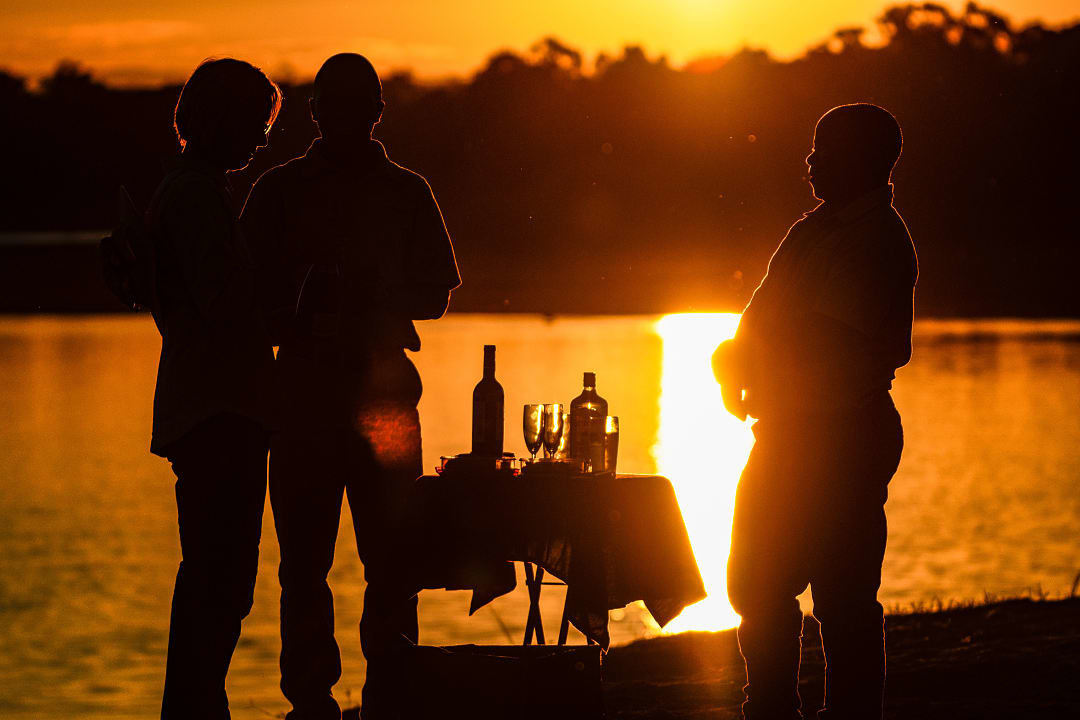
A couple enjoying sundowners on the Luangwa river.

Walking-focused camps in Zambia's South Luangwa typically welcome older teenagers and adults, with two to four hours of daily walking along dusty and rugged pathways through the bush. Canvas suites and open-air showers form your base for dawn patrols, where footsteps trace fresh lion prints through fever-tree forests at two miles per hour. Your pace reveals a dung beetle's geometric work, the twig-snap signaling buffalo ahead, your quickening pulse when the wind shifts toward a leopard.

Communication becomes a wordless gesture and the shift from vehicle to foot sharpens every sense. The dry crunch of dead grass underfoot, the sudden sweetness of wild sage crushed beneath a boot, the faint mineral tang of dust rising from a riverbed, the acute awareness of your breathing when the guide raises a fist and everything stops. A lion could appear. Your guide carries protection and you carry full attention. What you remember is not animal counts, but how one elephant matriarch locked eyes with you at 100 feet, both utterly still, breathing the same air.

The dry season between May and October is the prime window, when animals concentrate near the Luangwa River, grass is low, and dry riverbeds become wildlife highways. The emerald season between November and April offers lush landscapes and exceptional birding. Plan for a minimum of four nights to shed vehicle-safari conditioning and find walking's slower frequency, with five to seven nights to unlock multiple ecosystems. Spend 10 or more nights to experience multi-camp trails, trekking between properties carrying only essentials and truly inhabiting the bush rather than visiting it. Booking six to nine months ahead is essential to secure elite walking guides and camps.

Who thrives here: Contemplative adventurers • Photographers willing to trade quantity for quality • Couples seeking transformative shared experiences • Anyone who finds SUV game drives emotionally distancing

Conservation-First Safaris in Hwange

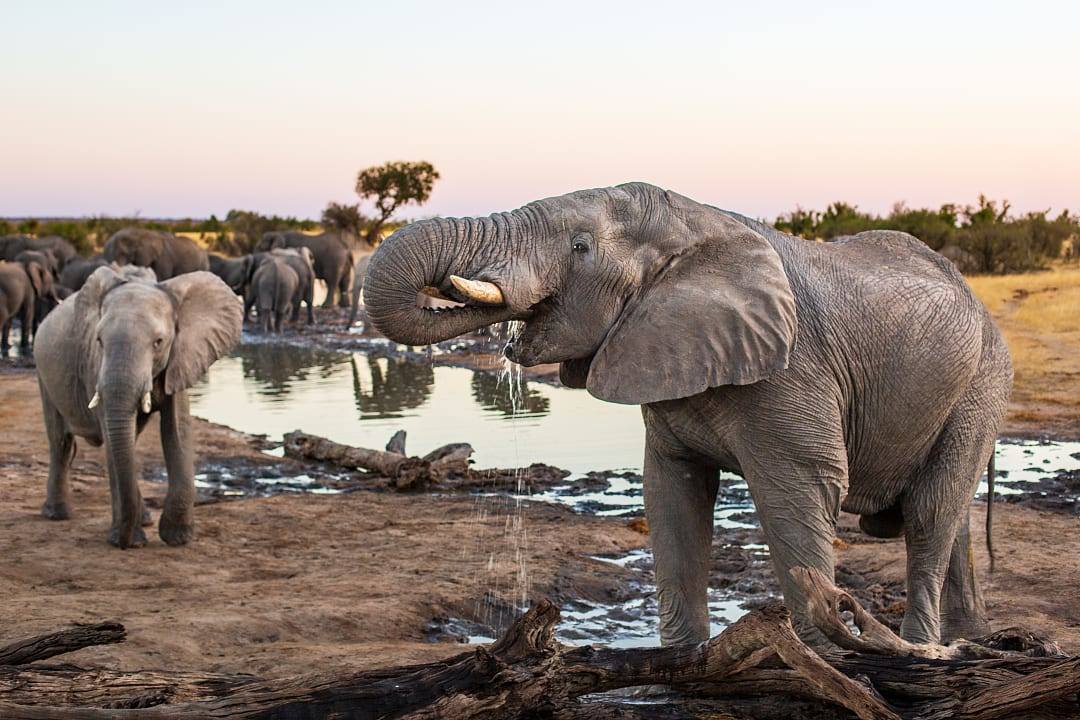
A herd of elephants drinking from a watering hole in the Hwange National Park, Zimbabwe.

Zimbabwe's Hwange National Park offers a hidden luxury built on purpose. Remote camps and lodges tucked into pristine wilderness fund anti-poaching units, community education, and wildlife corridors directly through your stay, offering the rare privilege of witnessing conservation in action. Pair your experience with a walking safari, photographic workshop, or a slow safari stay, where time and patience are the daily cadence.

Walk alongside researchers tracking collared elephants, join anti-poaching patrols at dawn, participate in wildlife censuses, or stand in the veterinary boma as a rhino wakes from dehorning surgery, your presence funding the procedure. Your guide operates as a dedicated conservation manager, transforming sundowner conversations from what you saw to how the team is tackling poaching. You leave knowing your footprint funded solutions while inhabiting beauty.

The dry season from May to October brings peak wildlife viewing as Hwange's waterholes, some pumped by lodges for conservation purposes, become stages for epic elephant gatherings of 100 or more, alongside predator-prey drama and active tracking. The green season from November to April disperses wildlife, but brings exceptional birding, newborns, and the intimacy of shoulder-month travel.

Conservation activities span a full range, from wildlife monitoring in hides to bush walks with researchers and patrol accompaniment, making this experience rewarding for engaged teenagers through to adults of any age and fitness level. Plan for a minimum of five nights to participate meaningfully in conservation efforts, with a six- to eight-night stay involving you in varied initiatives. A stay of 10 or more nights unlocks seasonal research projects and multi-camp trails across different ecosystems. Capacity is deliberately limited, so booking six to nine months ahead is essential.

Who thrives here: Travelers seeking impact beyond leisure • Families wanting children to witness conservation realities • Couples for whom luxury without purpose feels hollow • Repeat safari-goers craving depth over novelty

Slow Safaris in the Maasai Mara

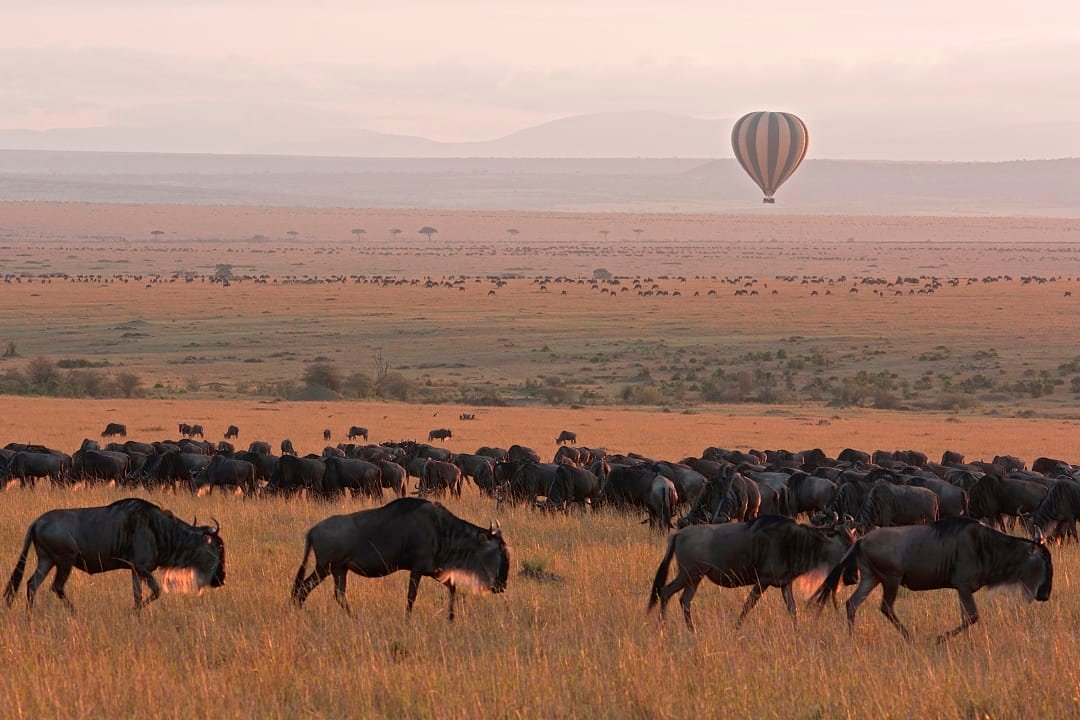
The Great Migration, Maasai Mara.

Settle into one remote Maasai Mara camp, tucked far from the busy central circuit, and watch what time reveals. Return to the same green, hilly outcrop three mornings running and the leopard from day one is now relaxed enough to hunt while you watch. Spend afternoons with the same Maasai guide whose stories deepen from introductory narratives into genuine cultural transmission, from drought patterns to lion territories and ancestral boundaries marked by particular trees.

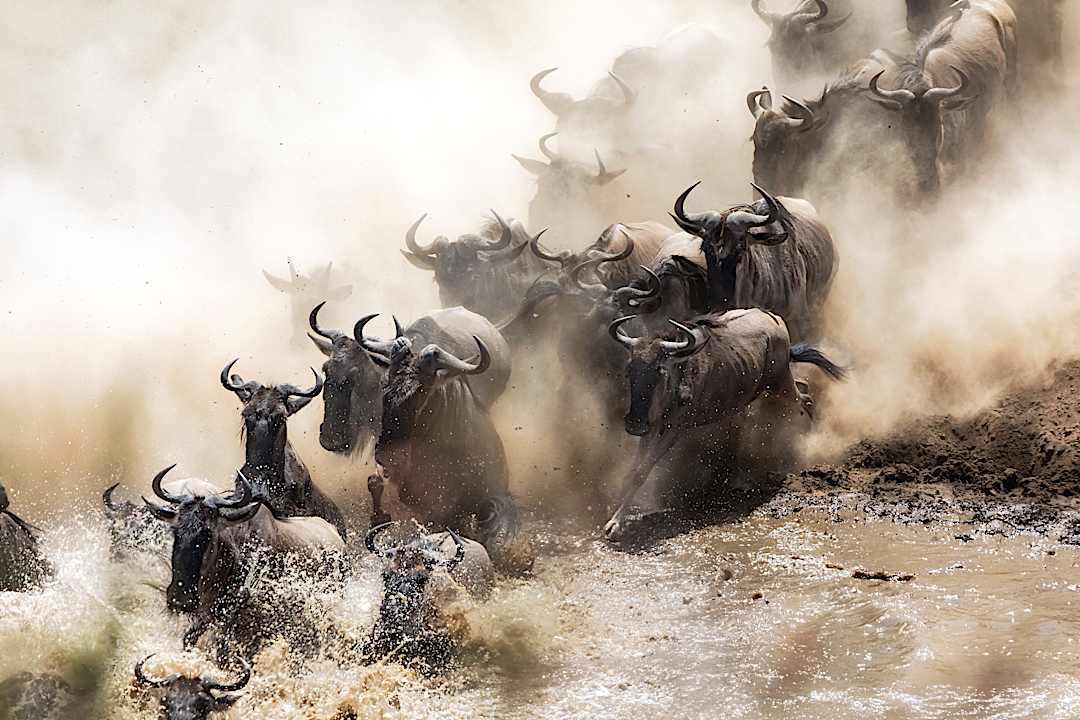
Staying still unlocks what movement obscures. Watch a pride's entire dynamic shift across four days, the subtle jostling after a kill, a sub-adult male quietly testing his standing, the matriarch communicating through posture alone. The wildebeest crossing becomes a multi-day negotiation between herds, current, and crocodiles rather than a single dramatic moment. Witness the Mara at its most rewarding, with an experience that accommodates all fitness levels and ages. Your adventure pairs perfectly with conservation stays, photography workshops, and cultural immersion. It works beautifully as a grounding conclusion following a walking or mobile safari.

The migration season between July and October fills the Mara with wildebeest. A slow safari here means returning to the same crossing points over days, reading the pulse of the movement as it builds. Between November and June, the focus shifts to resident wildlife and deeper cultural immersion, with lush landscapes and dramatic skies through the long rains of March to May. Plan for a minimum of five nights to find a natural cadence, seven to 10 to witness genuine pattern recognition across wildlife and culture, and two weeks to experience seasonal transitions most travelers never see. Book four to six months ahead for migration-season camps.

Who thrives here: Repeat safari-goers seeking depth over novelty • Creatives needing immersion for inspiration • Contemplatives allergic to checklist tourism • Photographers who understand great images require patience and return visits

Private Mobile Camps and Fly-Camping in the Serengeti

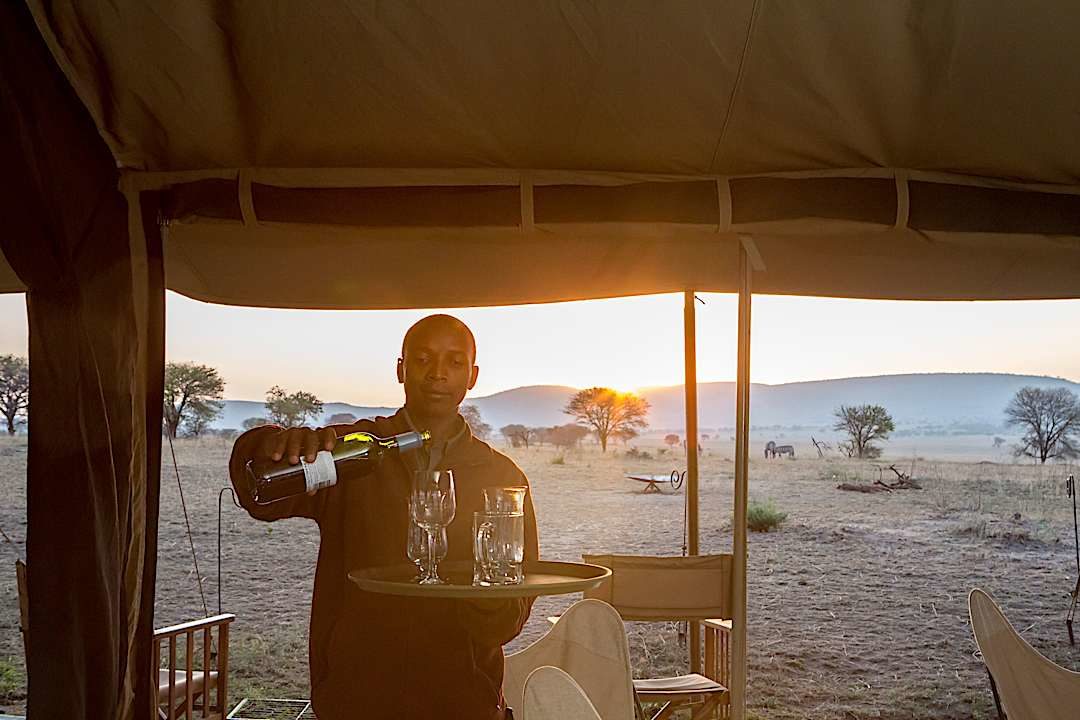
Golden hour hospitality on the edge of the Serengeti.

Private mobile camps in the Serengeti offer raw adventure wrapped in understated elegance. A handful of luxury tents shadow the Great Migration, repositioning to prime wildlife hotspots where the horizon stays unbroken. Four-poster beds, steaming bucket showers under stars, and silver-service dinners around crackling fires create a temporary home that feels more authentic precisely because of its impermanence. In the Serengeti, the agility to follow the migration is the ultimate luxury. After the stillness of a slow safari or the contemplative pace of the Karoo, or a slow safari in Kenya, mobile camping in Tanzania offers a compelling shift in energy.

Your wilderness route moves with the herds, waking to wildebeest rivers outside your canvas door, every dawn revealing whether to stay or follow. Tonight's lion roar echoes mere feet from where you sleep, separated only by canvas, with expert guides, skilled chefs, and camp staff ensuring the experience feels seamless and deeply personal.

Between December and March, camp positions near the southern Serengeti's birthing grounds, where predator action peaks and at the height of calving, around 8,000 wildebeest are born daily. Between June and October, the Northern Serengeti and Mara River become your focus, with river crossings unfolding as a spectacle from your grassy deck. Plan for a minimum of three to four nights, with five to seven giving you time across multiple locations. Ten nights or more combine calving grounds and river crossings. Booking eight to 12 months ahead is essential. The experience suits children over eight years old.

Who thrives here: Adventurous luxury travelers seeking authentic immersion • Photographers needing optimal wildlife positioning • Couples wanting romance with edge • Families with older children craving shared adventure

Photography Safaris in Botswana's Tuli Block

Photographers on a safari during sunset, Botswana.

Botswana's Tuli Block, known as the "Land of Giants," gives you the privilege of positioning yourself in underground hides at eye level with waterholes where elephants, lions, and leopards arrive entirely unaware of your presence. Descend into concealed positions with optimal sight lines, low-light capabilities, and angles calculated for the sun's arc, then settle into patience that separates snapshots from storytelling. Watch how lions communicate through ear flicks, how elephant matriarchs test water depth before allowing calves forward, moving into a frame of silhouette against a fiery sunset.

Resident photography professionals provide technical guidance on exposure settings and composition, but their real value is teaching you to read the bush. Your hide enables pure observation and the invisibility it grants produces images whose power stems from emotional truth: stolen moments of authentic wildness rather than posed wildlife portraits. Hides are small-capacity by design, with access via stairs and occasionally ladders. Booking six to nine months ahead is essential for a stay on which you are invited to take four hours of focused stillness from your day on safari to witness wildlife up close.

The dry season between May and October concentrates animals at permanent water sources, turning hides into stages for predictable, extraordinary drama. The green season between November and April brings birthing season and dramatic storm light, offering a different and equally compelling photographic opportunity. Plan for a minimum of four nights to experience the hides across different times of day and weather conditions, with five to seven nights building familiarity with individual animal patterns, and ten or more nights unlocking seasonal behavioral shifts.

Who needs this: Serious wildlife photographers building portfolios • Birders seeking publication-quality images • Anyone frustrated by vehicle-based shooting limitations

Cultural Encounters with San Bushmen in the Kalahari

Group of San Bushmen walking in the Kalahari.

Walking with San Bushmen through the Kalahari earns you access to living knowledge, carried forward through daily use and honed over 20,000 years. Facilitated through community-led partnerships, your luxury lodge works directly with San families who choose what to share, when, and with whom, ensuring reciprocity and respect. Your stay directly funds San land rights, education, and autonomy.

The tracking walks reveal how reading a three-day-old spoor fundamentally changes how you see the landscape, a library of stories written in footprints, scat, and disturbed grass. You learn to see water where you saw only sand, food where you saw only thorns, navigation where you saw only stars. The artistry woven into every element of San life, from their click language as communication to poison-arrow creation as chemistry to fire-making as physics, reveals a luxury rooted entirely in generational knowledge.

The dry, cool season between April and October offers the most rewarding conditions, as animals congregate near water and survival techniques are demonstrated most vividly when resources are scarce. The wet season between November and March reveals how San knowledge adapts through plant identification, flood-pattern reading, and locating temporary water sources. Moderately fit travelers of most ages thrive here, including curious children from eight upward, with two to four hours of gentle walking daily. A four- to five-night stay unlocks dawn tracking, evening trance dances, and storytelling sessions, while a week or longer offers a genuine glimpse into daily San life. Book four to six months ahead, as ethical San partnerships deliberately limit the frequency of encounters.

Who thrives here: Anthropologically curious travelers • Families wanting children to understand diverse ways of knowing • Repeat safari-goers seeking depth beyond wildlife • Anyone questioning Western assumptions about progress and civilization

Discover Your Hidden Luxury Safari Experience

The Great Migration, Kenya.

What makes these experiences truly luxurious is purpose. Private guides who adapt entirely to your pace, boutique lodges where your presence funds wildlife corridors and community education, and exclusive access to behavior animals only reveal when they forget you are watching.

The best hidden camps deliberately limit capacity, so early planning matters. Connect with a Zicasso Africa travel specialist to craft the experience that is right for you, whether you are chasing the Great Migration, seeking cultural depth in the Kalahari, or finding restoration in the Karoo's vast silence. For more information, see our African safari travel guide or our African safari tours and vacations.

32,000+ Verified Traveler Reviews