Accessible Travel: Planning a Wheelchair-Friendly Luxury Vacation in Europe

Europe's charm is inseparable from the very things that make it hardest to navigate in a wheelchair. The cobblestones that give Rome's back streets their patina, the narrow spiral staircases climbing centuries-old towers in Prague, the marble thresholds worn smooth by a thousand years of footsteps in Venice. Europe's oldest cities were built long before anyone thought to ask whether a wheelchair user might one day want to see them, and most accessible travel advice treats that history as an obstacle rather than a problem to solve.

A generic accessible tour typically solves for the average case: it books hotels with roll-in showers, pairs travelers with a wheelchair-friendly coach, and sends the whole group down the same well-trodden, ramp-equipped route. What it can't account for is that one traveler's manual chair might not clear a threshold or that another needs a slower pace with rest built into the middle of the afternoon. That's the gap a travel specialist closes. They don’t offer a more polished version of the same average-case itinerary, but start with your equipment and stamina, building outward until the route matches the traveler rather than the other way around.

Extraordinary travel begins with the human touch and our destination specialists design every journey with meticulous care and attention to detail. No two Zicasso itineraries are the same because no two travelers are, and that distinction carries particular weight when mobility needs shape every stop on the map. Your specialist builds a private, fully personalized route around your pace, your equipment, and access to people, places, and entrances that a standard accessible-tour package was never built to accommodate.

Rome: Three Cities Stacked on Top of Each Other

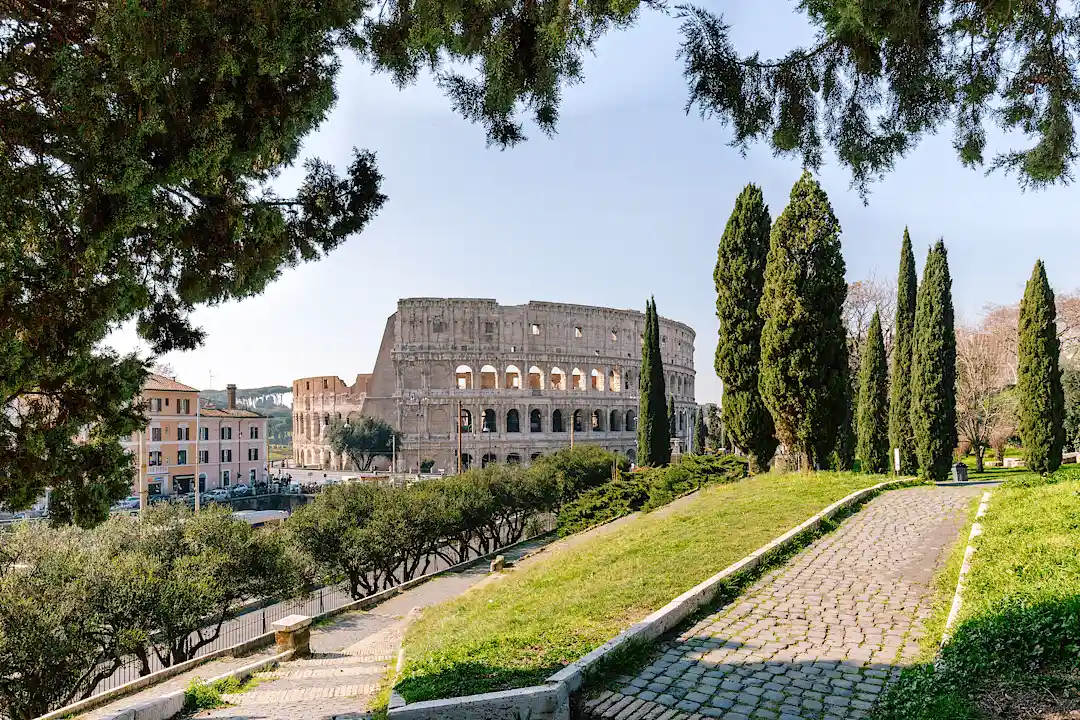
View of the Colosseum in Rome, Italy

Rome was built and rebuilt across two and a half thousand years. Instead of smoothing over the last one, each era left its physical logic behind. The sampietrini, the small hand-cut cobblestones that pave nearly every street in the historic center, were laid for foot and cart traffic in a city that had no reason to imagine a wheelchair. A few centuries later, Renaissance and Baroque Rome built its churches and palazzi with wide processional staircases meant to announce a cardinal's arrival, not accommodate one who couldn't climb them. And in the past few decades, a third Rome has quietly retrofitted lifts and ramps onto the first two, unevenly and site by site. The result is a city where accessibility revolves around three questions layered on top of each other and knowing which layer you're standing on when you turn down any given street is the difference between a smooth afternoon and a stranded one.

What to Expect

  • Sampietrini Workarounds: The small, uneven cobblestones common throughout the historic center have smoother, wider counterparts on select routes, which a specialist maps out street by street rather than leaving to chance.
  • Vatican Lifts: The Vatican Museums have a dedicated elevator system reaching the Sistine Chapel without the long spiral ramp most visitors walk. It is bookable through advance arrangement.
  • Metro Gaps: Rome's metro network has step-free access at a growing number of central stations, though several historic-center stops still rely on stairs alone.
  • Adapted Transfers: Private wheelchair-accessible vans handle airport transfers and day-trip excursions, sidestepping the taxi fleet's inconsistency.
  • Piazza Navona Routing: The square's smoother perimeter paving offers a comfortable alternative to the more broken stone closer to the fountains.

Where to Enjoy Your Visit

  • Vatican Museums: The Raphael Rooms and Sistine Chapel are reachable via the dedicated lift route, arranged in advance by your travel specialist to avoid the standard crowds.
  • Colosseum Level: A ground-floor circuit with an elevator to the arena level lets you take in the structure without the uneven upper terraces.
  • Trastevere Evenings: The neighborhood's flatter riverside stretch offers step-free access to trattorias for an evening meal away from the tourist center.
  • Borghese Gardens: The park's paved paths lead to the Galleria Borghese, which is fully accessible via a rear-entrance elevator.
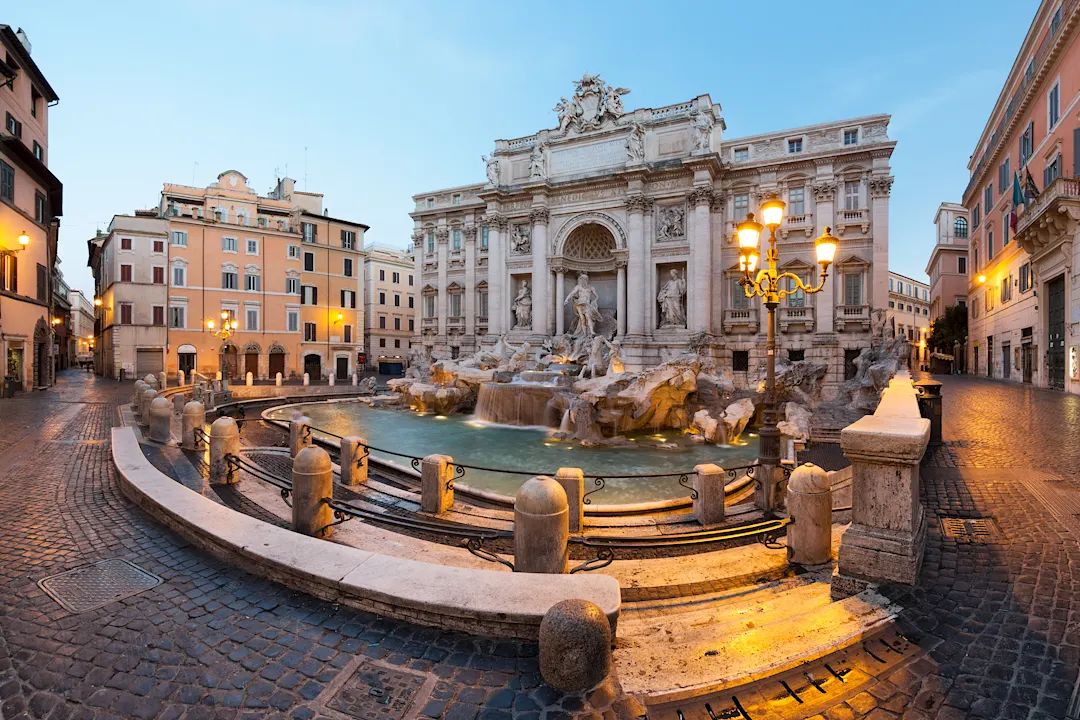
  • Trevi Fountain Approach: A specialist-guided route from the smoother side streets avoids the steepest cobbled approach to the fountain itself.

For a private version of this layered pacing, your specialist can adapt an itinerary like the Italy Vacation for Seniors: Rome to Venice, building it around comfortable transitions.

Paris: Grandeur Above Ground, Obstacles Below It

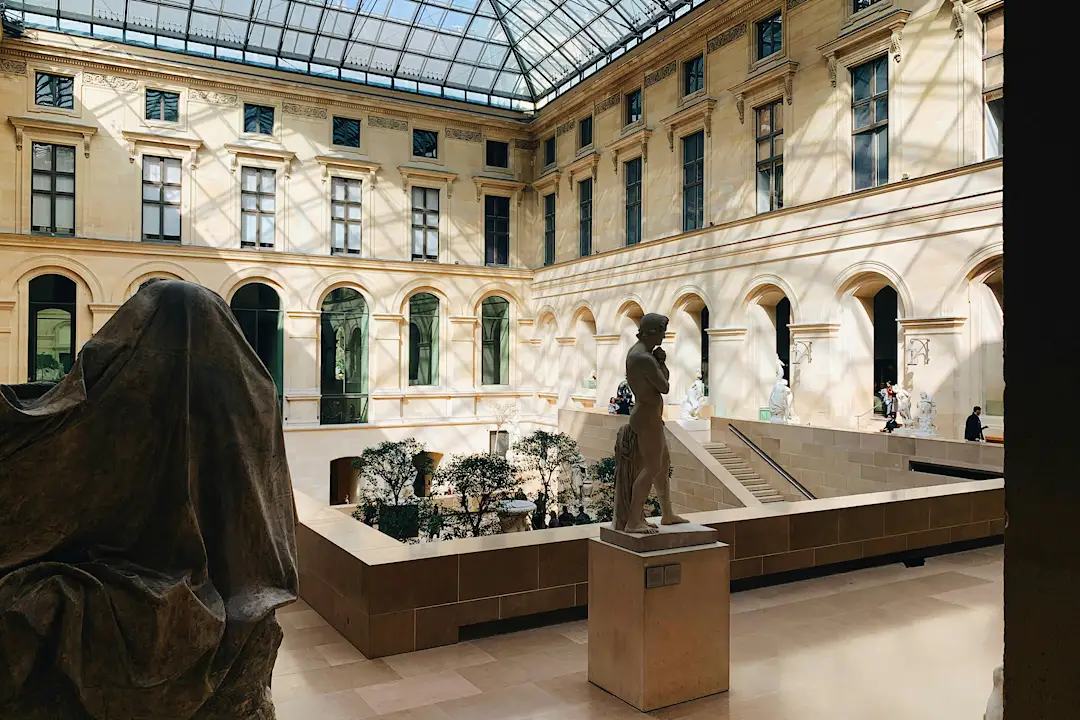
Inside the Louvre Museum in Paris, France

Baron Haussmann rebuilt Paris in the mid-1800s for reasons that had nothing to do with accessibility. Napoleon III wanted wide boulevards his troops could move through quickly and light that could reach street level, so Haussmann tore down the medieval tangle and replaced it with broad, flat avenues and gently graded sidewalks. That 19th-century ambition happens to make much of central Paris exceptionally comfortable to navigate in a wheelchair today. What Haussmann never touched because it didn't exist yet was the Métro, opened in 1900 and built almost entirely with stairs. This means the city's grandest infrastructure achievement sits directly above one of its least accessible. A specialist's routing in Paris is about staying on the surface as much as possible and knowing exactly which of the newer lines to use.

What to Expect

  • Boulevard Width: Haussmann's avenues are some of the widest, flattest pedestrian routes of any European capital, ideal for longer stretches on foot or by chair.
  • Métro Line 14: Among the network's newest lines, it runs fully step-free end to end, unlike most of the older, stair-only lines it intersects.
  • River Transfers: The Batobus river shuttle offers a ramped, scenic alternative to crossing the city by road, docking near several major sights.
  • Adapted Taxis: Wheelchair-accessible private vehicles can be pre-booked for airport transfers and evening outings, given the general taxi fleet's limited accommodation.
  • Marais Alternatives: The historic district's narrower lanes have smoother parallel streets a block over, quietly bypassing the roughest paving.

Where to Enjoy Your Visit

  • Louvre Entrance: The Pyramid entrance includes a dedicated accessible line and an elevator descending directly into the main galleries.
  • Musée d'Orsay Terraces: Former train station architecture left wide, ramped concourses throughout, with lifts to every collection level.
  • Champs-Élysées Stretch: The wide avenue between the Arc de Triomphe and Place de la Concorde is one of the most comfortable long walks in the city.
  • Luxembourg Gardens: Paved central paths wind past the fountains and orchards, with several accessible café terraces along the way.
  • Sainte-Chapelle Access: A ground-floor viewing arrangement lets you take in the stained glass without the narrow spiral stair to the upper chapel.

Your specialist can build this above-ground routing into a broader trip, such as the European Senior Tour of Italy and France, adjusted stop by stop around your pace and equipment.

Madrid: The Capital That's Easier Than Its Day Trips

Prado Museum in Madrid, Spain

Unlike Rome or Paris, Madrid was largely built and rebuilt with intention rather than accumulated by accident. The Bourbon kings widened its boulevards in the 18th century, and the Gran Vía was cut through the city center in the early 20th century as a single planned artery rather than a patchwork of older streets. The result is a capital that's genuinely comfortable to navigate: broad sidewalks, gentle grades, and a Retiro Park built for leisurely royal strolls that still serves that purpose today. The complication isn't Madrid itself. It's the day trips most visitors want to pair with it, Toledo and Segovia and Ávila, medieval hill towns built centuries earlier for defense rather than commerce, with steep approaches and stepped lanes that no amount of modern planning ever touched. A specialist's real work in Madrid is deciding which of those towns is worth the trade-off for your specific mobility and routing around the parts that aren't.

What to Expect

  • Gran Vía Grades: The city's central artery is wide and gently sloped for its full length, making it a reliable spine for getting between neighborhoods.
  • Metro Elevators: Madrid's metro has expanded step-free access at most central stations, making it one of the more accessible systems in southern Europe.
  • Retiro Pathways: The park's main paved avenues accommodate wheelchairs comfortably, with several accessible cafés near the Crystal Palace.
  • Day-Trip Selectivity: Toledo's steep, cobbled old town limits comfortable access to specific viewpoints and entrances, which a specialist screens for in advance.
  • Adapted Transfers: Wheelchair-accessible vans handle airport transfers and excursions beyond the city, given the standard taxi fleet's inconsistent equipment.

Where to Enjoy Your Visit

  • Prado Galleries: Velázquez's Las Meninas and the museum's full collection are reachable via elevators connecting every level of the building.
  • Retiro's Crystal Palace: A flat lakeside path leads to this glass-and-iron pavilion, one of the park's most photographed corners.
  • Royal Palace Courtyards: The Palacio Real's main state rooms are accessible via a rear elevator entrance, avoiding the grand front staircase.
  • Gran Vía Cafés: Street-level terraces along the avenue offer easy people-watching without navigating side streets.
  • Reina Sofía Wing: Picasso's Guernica hangs in a fully step-free wing, reached through a modern glass elevator addition.

For a private version of this Madrid-first pacing, your specialist can adapt an itinerary like the Best of Madrid and Barcelona Vacation, weighted toward the capital and away from the steepest day trips.

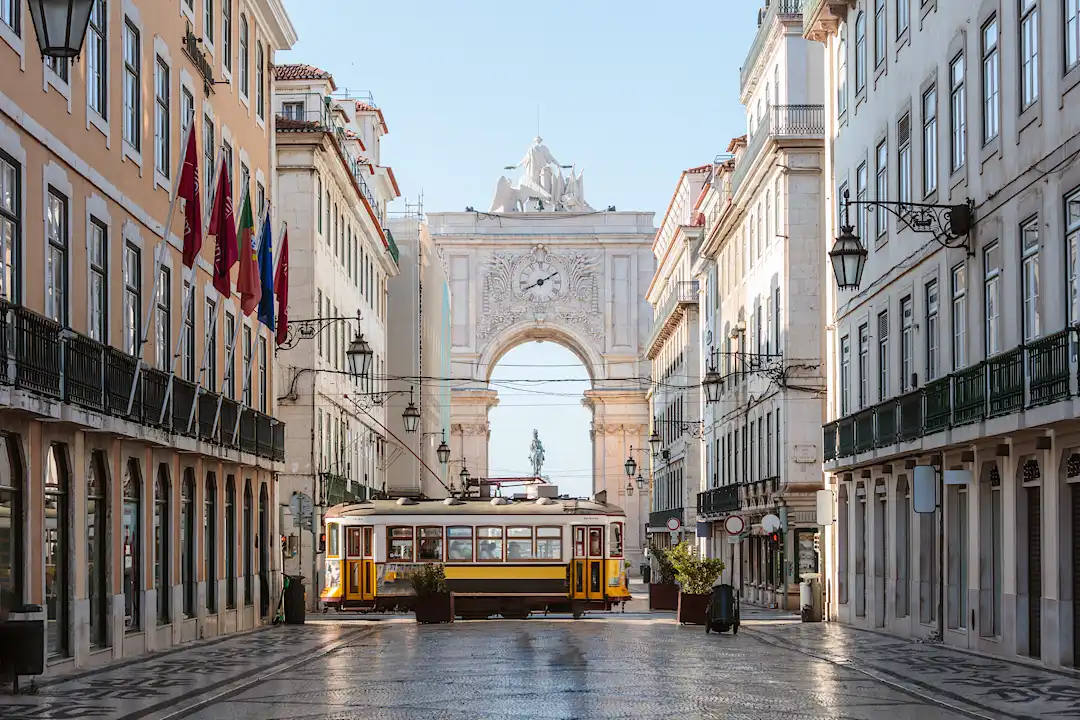
Lisbon: A City That Solved Its Hills

Lisbon, Portugal
Lisbon, Portugal

Lisbon was built across seven hills and unlike most cities that treat that as an inconvenience to work around, Lisbon's engineers spent more than a century building machines to solve it. The Elevador de Santa Justa, the Bica funicular, and a network of miradouro lifts weren't built for tourists or for wheelchair users; they were built because Lisboetas got tired of climbing and the infrastructure that resulted happens to serve both groups equally well today. The catch is that Lisbon's grandest solutions don't always connect to each other in an obvious way. A lift might land you three streets from where you actually need to be. A specialist's job here is knowing which of the city's century-old machines actually gets you where you're going.

What to Expect

  • Elevador Routes: Santa Justa and the funiculars of Bica and Glória cut through the city's steepest grades, though a specialist knows which stops actually connect to accessible streets beyond.
  • Tram 28 Limits: The historic tram is charming but not wheelchair accessible, so alternate routing is arranged for the neighborhoods it passes through.
  • Baixa Flatness: The grid-planned lower town, rebuilt after the 1755 earthquake, offers some of the flattest, most navigable streets in the city.
  • Alfama Workarounds: The oldest quarter's narrow, stepped lanes are best experienced through a private guide who can select accessible viewpoints rather than full immersion.
  • Adapted Transfers: Wheelchair-accessible taxis and vans handle airport transfers and day trips to Sintra, given the older city's uneven general transport.

Where to Enjoy Your Visit

  • Baixa Boulevards: The rebuilt lower town's wide, flat streets connect Rossio Square to the riverfront without a single incline.
  • Praça do Comércio: This grand riverside square offers open, level paving with sweeping views across the Tagus.
  • Gulbenkian Gardens: A modern museum and its surrounding gardens offer step-free paths and elevator access throughout the collection.
  • Belém Waterfront: The promenade past the Jerónimos Monastery and Belém Tower is flat and wide, ideal for an unhurried afternoon.
  • LX Factory Access: This converted industrial complex has ramped access throughout its galleries, shops, and riverside cafés.

Your specialist can weave this century of local engineering into a trip like the Leisurely One-Week Lisbon Itinerary for Seniors, adjusted around which of the city's lifts and routes suit your pace.

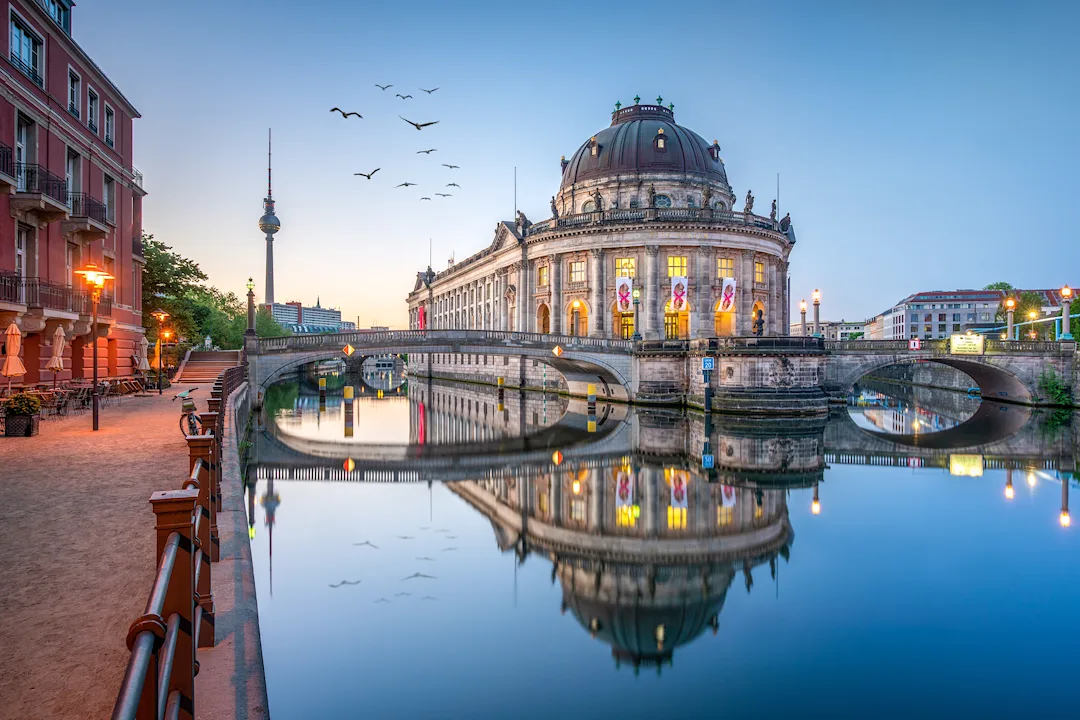
Berlin: A City Rebuilt With Accessibility Already Written In

Spree River Promenade in Berlin, Germany

Berlin's history is unusually legible in its infrastructure because the city was rebuilt twice within living memory rather than once, gradually, over centuries. Postwar reconstruction replaced much of the historic center with wider streets and modern buildings, and reunification after 1989 triggered a second wave of construction across the former East, this time under some of Europe's strictest accessibility codes. The result is a capital where a great deal of what a visitor sees, from government buildings to major museums, was built or rebuilt recently enough that step-free access was part of the design rather than an afterthought bolted on. The exceptions are the pockets that survived both waves of rebuilding intact and those still require the kind of block-level knowledge no code alone can provide.

What to Expect

  • Low-Floor Trams: Berlin's tram and bus network runs almost entirely on low-floor vehicles, among the most consistently accessible surface transit in Europe.
  • U-Bahn Elevators: Most central stations have step-free elevator access, a legacy of reunification-era rebuilding rather than later retrofits.
  • Museum Island Lifts: The complex's five museums have added elevators connecting their grand original staircases to every gallery level.
  • Tiergarten Paths: The central park's wide, paved paths make for a long, comfortable stretch of green space cutting through the city center.
  • Adapted Transfers: Wheelchair-accessible taxis and vans are readily bookable for airport transfers and day trips beyond the city.

Where to Enjoy Your Visit

  • Brandenburg Gate Plaza: The open square surrounding the gate offers flat, unobstructed viewing with no crowds to navigate around a fixed vantage point.
  • Pergamon Museum: A modern wing addition provides elevator access to the Ishtar Gate and the museum's ancient collections.
  • East Side Gallery: This preserved stretch of the Berlin Wall runs along a flat riverside path, easily covered at an unhurried pace.
  • Gendarmenmarkt Square: Level cobblestone paving around the square's twin cathedrals makes for comfortable browsing among its cafés.
  • Charlottenburg Gardens: The palace's baroque gardens offer paved paths through manicured grounds, with a rear entrance elevator into the palace itself.

Consider building this reunification-era accessibility into one of our top itineraries for visiting Germany for the first time. Your specialist can shape your choice around your specific mobility needs.

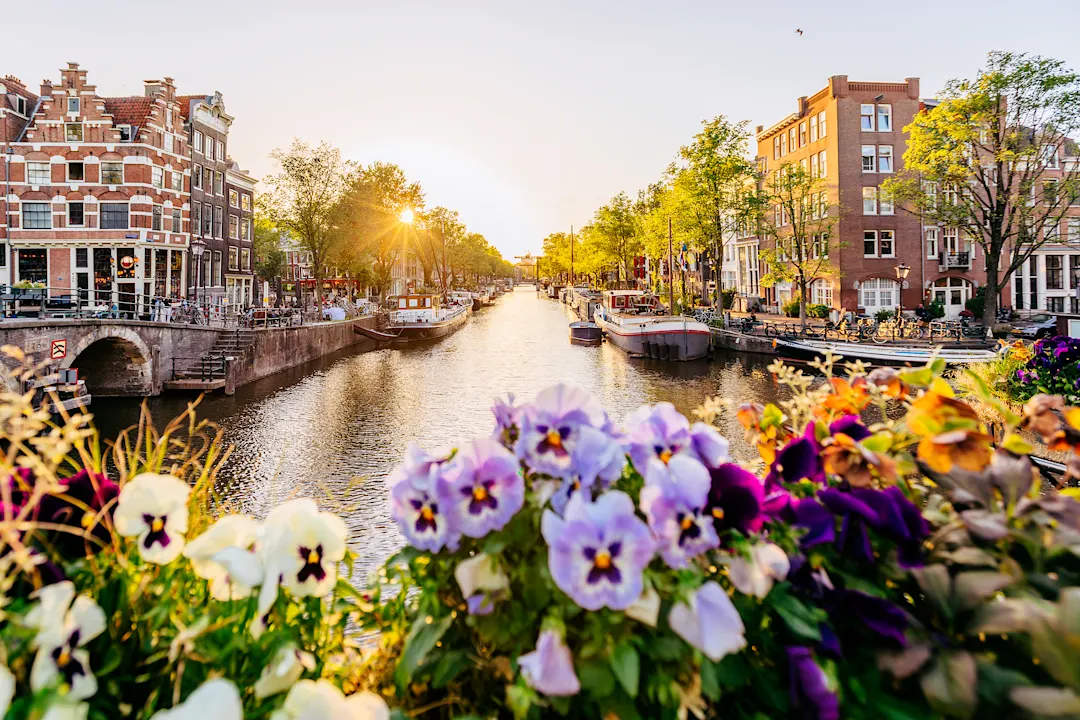
Amsterdam: Where Flat Terrain Meets Centuries-Old Obstacles

Jordaan District in Amsterdam

Amsterdam looks, on paper, like the easiest city in Europe to navigate by wheelchair: it's flat, compact, and threaded with wide, well-paved paths along the canals. The truth is more particular. Dutch canal houses were once taxed by the width of their façade, so 17th-century owners built narrow and tall instead, leaving many historic buildings with steep, cramped stairwells that no amount of modern renovation can fully undo. The city solved its public-realm accessibility problem decades ago; its private interiors are still catching up, one carefully chosen building at a time. That building-by-building unevenness is exactly why a specialist's job here isn't finding an accessible museum or canal boat. It's knowing which one has solved it, granular knowledge no general guidebook maintains, but a specialist with relationships on the ground does.

What to Expect

  • Level Trams: Amsterdam's tram network runs low-floor vehicles with fold-out ramps on nearly every line, so short hops between neighborhoods rarely require pre-booking.
  • Canal Access: A small number of operators run wheelchair-accessible canal boats with hydraulic lifts, letting you take in the UNESCO-listed waterways from the water rather than only the bank.
  • Cobble Alternatives: Smoother brick-paved parallel routes run alongside most of the classic cobbled canal-ring streets and a specialist familiar with the neighborhood will route you along them without sacrificing the view.
  • Adapted Taxis: Wheelchair-accessible taxi vans can be pre-booked for airport transfers and evening outings, removing the uncertainty of finding accessible transport on the fly.
  • Curb-Cut Density: Amsterdam's city center has one of the highest concentrations of dropped curbs in Europe, a legacy of accessibility policy that predates much of the continent's.

Where to Enjoy Your Visit

  • Rijksmuseum Galleries: The full collection, including the Gallery of Honor and Rembrandt's The Night Watch, is reachable via elevators and wide gallery floors, with wheelchairs available to borrow at the entrance.
  • Van Gogh Floors: Every level of the museum is step-free, with reduced-glare lighting along the main route for visitors sensitive to bright galleries.
  • Vondelpark Paths: The park's paved, gently sloping paths make for an unhurried afternoon away from the city center, with several accessible cafés along the main route.
  • Jordaan Streets: Quieter than the canal ring, this neighborhood's side streets offer smoother pavement and a slower pace for browsing small galleries and boutiques.
  • NEMO Terrace: A ramped rooftop terrace overlooking the harbor delivers sweeping views without a single step.

Your Zicasso specialist can build this kind of block-by-block accessibility planning into a broader trip, such as the Iconic European Cities: Amsterdam, Paris, and Barcelona Itinerary, adjusted street by street around your equipment and pace.

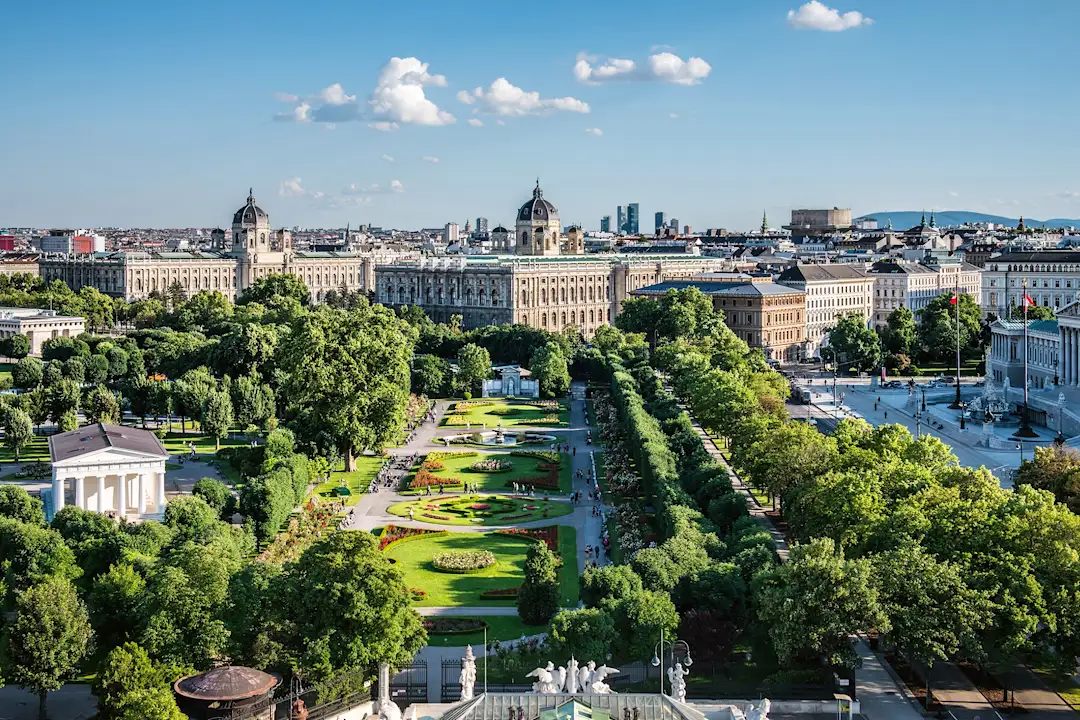
Vienna: Imperial Grandeur Built for Grand Entrances

Vienna, Austria
Vienna, Austria

Vienna's grandest buildings were designed for an empire that measured status in square footage and staged public appearances daily, and that vanity happens to serve wheelchair users well two centuries later. Schönbrunn Palace and the Hofburg were widely built with processional doorways and gentle stone ramps meant to accommodate carriages and courtiers because narrow, cramped access would have been beneath an emperor. The result is a city where some of the most historically significant interiors in Europe are also, almost by accident, some of the most physically navigable. But an accident of history doesn't mean every detail lines up on its own. An opera box with a clear sightline or a U-Bahn exit that actually aligns with a working elevator still has to be matched to your specific visit in advance, which is the last gap a specialist closes that history happened to leave open.

What to Expect

  • Palace Ramps: Schönbrunn's state apartments and gardens are accessible via original carriage ramps supplemented with modern lifts, letting you move between palace and grounds without backtracking.
  • Low-Floor Trams: Vienna's tram network, one of the most extensive in Europe, runs low-floor vehicles on the majority of lines circling the Ringstrasse.
  • Opera Boxes: The Vienna State Opera reserves wheelchair-accessible viewing positions with unobstructed sightlines, bookable in advance through your specialist.
  • Ringstrasse Paving: The boulevard's wide, even sidewalks make it one of the more comfortable long-distance routes in the city center, whether on foot or by chair.
  • U-Bahn Elevators: Most central stations have step-free elevator access, though a specialist's local knowledge of which exits align with which lifts saves real time.

Where to Enjoy Your Visit

  • Schönbrunn Gardens: Beyond the staterooms, the Gloriette terrace offers a ramped route to one of the city's best panoramic views.
  • Kunsthistorisches Museum: A rear elevator bypasses its grand central staircase and leads directly into the picture galleries.
  • Café Central: One of Vienna's historic coffeehouses with step-free entry, ideal for the melange-and-pastry ritual locals treat as a daily rite.
  • Belvedere Palace: Klimt's The Kiss hangs in a wing reachable entirely without stairs, alongside the palace's Baroque gardens.
  • Naschmarkt Aisles: The market's main thoroughfare is broad enough for easy browsing, best visited with a private guide who can navigate the busier side stalls on your behalf.

For a private version of this pacing, your specialist can adapt an itinerary like the Seniors' Exploration of Austria: Vienna, Salzburg, Kaprun Tour, which is already built around comfortable timing between sights.

Copenhagen: A City Designed Around Accessibility From the Start

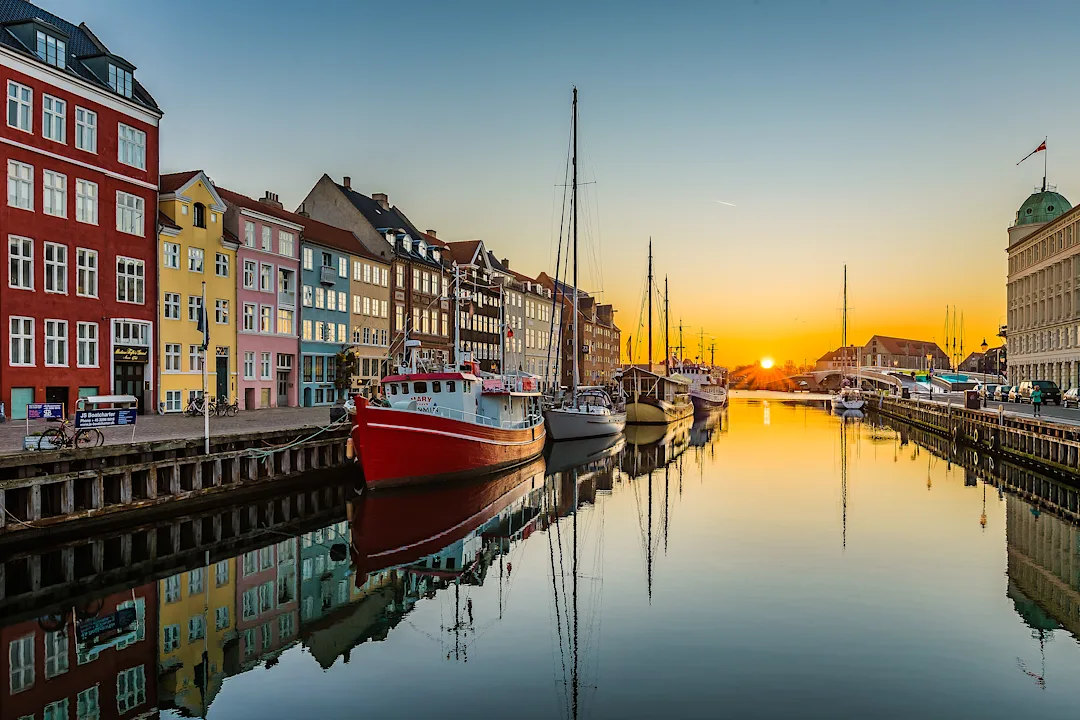
Nyhavn Waterfront in Copenhagen

Danish design philosophy treats accessibility as a starting principle rather than a retrofit, and Copenhagen is where that shows most plainly. The city's planners have spent decades building wide, protected, gently graded lanes for cyclists that thread through nearly every neighborhood, and that same infrastructure, engineered for two wheels rather than four legs, happens to serve wheelchair users exceptionally well. It's one of the only European capitals where accessible routing isn't a specialist's workaround so much as simply how the city already moves. Universal design at the city level still isn't universal at the building level, though. Which of Copenhagen's design-forward hotels actually built roll-in showers and adjustable fixtures as standard, and which merely use the word "accessible" loosely, is the distinction a specialist verifies before you book rather than after you've already arrived.

What to Expect

  • Step-Free Buses: Copenhagen's harbor buses board level with the quay, offering a scenic, ramp-free way to cross the city by water.
  • Metro Elevators: Every station on the driverless Metro system includes elevator access, a rarity among European subway networks of comparable size.
  • Bike-Lane Paving: The same smooth, separated lanes built for cyclists double as some of the most comfortable pedestrian and wheelchair routes in the city center.
  • Adapted Tours: A handful of canal operators run boats with ramped boarding for a seated, accessible view of Nyhavn's colorful façades.
  • Universal-Design Hotels: Several of the city's design-forward hotels were built or renovated with roll-in showers and adjustable-height fixtures as standard, verified property by property rather than taken on faith.

Where to Enjoy Your Visit

  • Nyhavn Waterfront: The historic harbor's promenade is flat and wide, best enjoyed from one of the canal-side cafés with unobstructed water views.
  • Rosenborg Gardens: The King's Garden surrounding the castle offers paved paths through manicured grounds, even where the castle's own interior stairs limit full access.
  • National Gallery: A modern glass extension connects seamlessly to the historic building, with step-free access throughout both wings.
  • Torvehallerne Market: The covered market's wide aisles make for easy grazing among Denmark's smørrebrød and pastry stalls.
  • Amalienborg Square: The open, flat plaza offers close views of the changing of the guard without needing to navigate crowds from a fixed vantage point, arranged in advance by your specialist.

Consider building this kind of universally designed pacing into a trip like the Stimulating 10-Day Scandinavia Tour for Seniors, which your specialist can reshape around your specific mobility needs.

Barcelona: Modern Grid, Medieval Maze

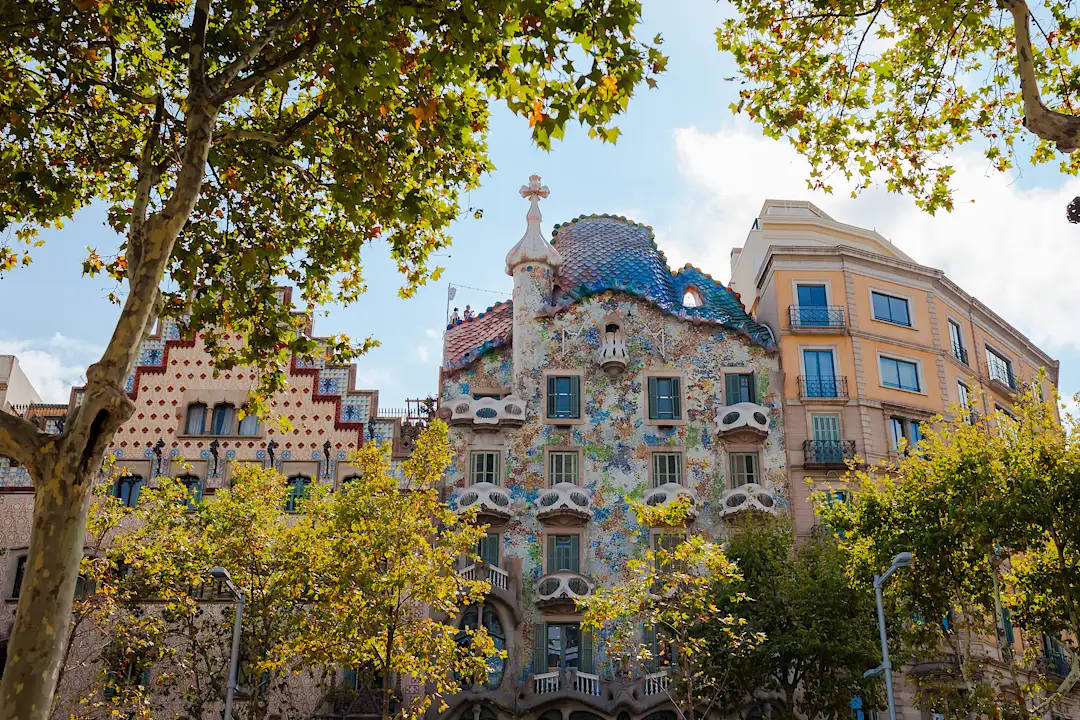
Casa Batllo in Barcelona, Spain

Barcelona is really two cities layered on top of each other and they behave completely differently in a wheelchair. Ildefons Cerdà's 19th-century Eixample grid was laid out with wide, arrow-straight boulevards and generous sidewalks decades before anyone used the phrase universal design, simply because Cerdà believed a city should have room to breathe. A few streets over, the Gothic Quarter's medieval lanes were never laid out at all; they grew narrow and uneven over a thousand years. The difference means that in Barcelona, the same afternoon can swing between the easiest rolling terrain in Spain and some of its hardest, and knowing exactly where that line falls, which specific block still has a cobblestone gauntlet and which doesn't, isn't something a general city guide can tell you. It requires a specialist who has either walked it themselves or verified it with someone who has.

What to Expect

  • Low-Floor Metro: Barcelona's metro network has expanded elevator access at most central stations, though a specialist's routing avoids the handful that still lack one.
  • Ramped Beachfront: The boardwalk running from Barceloneta to Port Olímpic is flat, wide, and lined with accessible beach-access points, including amphibious wheelchairs available seasonally at several beaches.
  • Sagrada Access: Gaudí's basilica offers elevator access to both towers, along with a step-free route through the main nave, arranged in advance to avoid the site's famously long queues.
  • Eixample Sidewalks: The grid's signature chamfered corners were designed for tram turning radii and they double today as some of the most generous pedestrian space in the city.
  • Private Transfers: Adapted vehicles for airport transfers and day trips are readily available, valuable given how uneven Barcelona's general taxi fleet accessibility can be.

Where to Enjoy Your Visit

  • Güell Terraces: While some of the park's upper paths involve stairs, the lower terrace and the Hypostyle Room are reachable via a ramped side entrance.
  • Casa Batlló: Gaudí's façade masterpiece added elevator access to every floor during a recent renovation, opening the full interior for the first time to wheelchair users.
  • Boqueria Market: Just off Las Ramblas, the market's wide central aisle makes for easy browsing among its produce and seafood stalls.
  • Beachfront Cafés: Flat, boardwalk-level seating puts you steps from the sand without needing to navigate it.
  • Montjuïc Gondola: The cable car up Montjuïc hill is wheelchair accessible, opening onto paved garden paths and skyline views that would otherwise mean a steep climb.

Your specialist can weave this same city-by-city precision into an itinerary like the Best of Barcelona Itinerary in Seven Days, adjusted entirely around your access needs.

Frequently Asked Questions

Which European city is easiest to visit in a wheelchair?

Copenhagen and Berlin tend to top the list for related but different reasons. Copenhagen's cycling infrastructure doubles as some of the smoothest pedestrian routing in Europe, while Berlin's postwar and reunification-era rebuilding put step-free access into the design of most major sites rather than bolting it on later. Even so, a citywide reputation doesn't guarantee any single address delivers on it. This is where a specialist's advance verification matters most: rather than trusting a hotel's claim of being "accessible," they confirm door widths, roll-in showers, and elevator access property by property before it goes on the itinerary, so the traveler isn't the one discovering a mismatch at check-in.

Can you visit the Sistine Chapel in a wheelchair?

Yes. The Vatican Museums operate a dedicated elevator system that reaches the chapel without the long spiral ramp most visitors walk. The catch is that this route isn't offered by default; it has to be requested through the Vatican's private-access channels well ahead of the visit. A specialist handles that reservation directly, timing it to bypass the standard entrance queue entirely, so the traveler arrives already booked into the accessible route rather than finding out about it, or losing the slot, once they're standing at the gate.

Is the Paris Métro wheelchair accessible?

Only partially. Line 14 runs fully step-free end to end, but most of the older lines it crosses are still stair-only and a station's step-free status can change without much public notice if an elevator goes out of service. Rather than sending a traveler in with a generic transit map, a specialist pre-plans each day's route using the specific combination of Line 14 and surface options, such as Haussmann's wide boulevards or the ramped Batobus river shuttle, that actually connects that day's stops, so the itinerary never depends on an elevator that might not be working when the traveler gets there.

How far in advance should wheelchair-accessible arrangements in Europe be booked?

As early as the itinerary allows. Resources like the Vatican's lift, a wheelchair-accessible box at the Vienna State Opera, or a hydraulic-lift canal boat in Amsterdam exist in genuinely limited supply, sometimes a single unit or a handful of dates a season. A specialist tracks these availability calendars across several venues and cities at once and secures them as the itinerary is built, which spares the traveler from having to identify each individual booking office, learn its request process, and chase a reservation for every separate accommodation themselves.

Are Europe's medieval old towns accessible at all?

Districts like Rome's historic center, Lisbon's Alfama, and Barcelona's Gothic Quarter were never built with wheeled access in mind, but most have a smoother parallel street or a specific accessible viewpoint somewhere within them. The value a specialist adds here is granular and hard to replace: block-level knowledge, gathered by walking the route themselves or confirming it with someone who has, of exactly which street clears and which one doesn't. That lets them build the day's walking route to the terrain that works, instead of sending a traveler in with a general "accessible tour" label and letting them discover the gaps on foot.

What's the difference between a standard accessible tour and a specialist-planned trip?

A standard accessible tour solves for an average case: hotels with roll-in showers, a wheelchair-friendly coach, one fixed route for the whole group. A specialist starts from the opposite direction, with a conversation about a traveler's specific equipment, stamina, and preferred pace, and builds the itinerary outward from those details rather than fitting the traveler into a pre-set route. That's also why two travelers with different mobility needs visiting the same city can end up with entirely different itineraries from the same specialist, down to which entrance they use and how much rest time sits between stops.

Are river and canal boat tours in Europe wheelchair accessible?

In several cities, yes, though availability varies by operator and not every boat in a given fleet is the one that's lift-equipped. Amsterdam runs a small number of canal boats with hydraulic lifts, Copenhagen's harbor buses board level with the quay, and Paris's Batobus offers a ramped alternative to crossing the city by road. A specialist confirms which specific vessel is running on a given day and books that boat directly rather than the operator's fleet in general, so the traveler isn't the one standing at the dock discovering that the boat tied up that morning happens to be the wrong one.

Planning Your Wheelchair-Accessible Route Through Europe

Trevi Fountain in Rome

None of this means Europe has become uniformly accessible and pretending otherwise would do a disservice to anyone planning around a wheelchair's specific dimensions or a body's particular stamina. What has changed is how much groundwork can be done before a single flight is booked: which thresholds clear, which cobbled street has a smoother parallel route, and which museum wing added an elevator last year rather than a decade ago.

A Zicasso specialist does that groundwork for you, building it into a private itinerary rather than handing over a pre-set accessible tour designed for someone else's chair and someone else's pace. Explore more destination ideas on our Europe travel guide and European tours and trip Packages, or share your specific mobility needs directly with a specialist to begin building a trip designed entirely around them.

34,000+ Verified Traveler Reviews