Guide to Sailing in Greece: How to See Your Favorite Islands

Young Hispanic brother and sister watching the sunset from luxury yacht with parents relaxing on deck enjoying togetherness

The best time to visit the Greek isles for sailing will have you stepping onto a sunlit deck where you feel warm Aegean air brush against your skin as the hull cuts through clear, cobalt water and whitewashed villages rise from the horizon. Each island reveals a different mood: the quiet chime of church bells in a harbor town, the scent of grilled octopus drifting from a seaside taverna, the glow of lanterns reflected in a glassy bay at night. The best time to visit is about choosing when you want these moments to unfold at their most comfortable, and exclusive.

As you sail between islands, the country’s diversity becomes tangible, with cliffs plunging into the sea in one archipelago and medieval walls glowing amber at sunset on another. Calm, shoulder-season days invite you to linger on the bow, watching a fishing boat glide past, listening to the soft slap of waves below, unhurried by crowds or heat. From lively marinas to quiet anchorages where you can hear only cicadas on the shore, timing your journey shapes the way Greece feels, sounds, and tastes.

Extraordinary travel begins with a human touch and our destination specialists design every trip with care and attention to detail. As you consider a sailing vacation in Greece, use the following guide to imagine yourself at the rail of your boat, approaching each island as the locals see it, and to decide when and where you want to feel the Aegean, Ionian, and Mediterranean seas at their most enticing.

When to Visit the Greek Islands

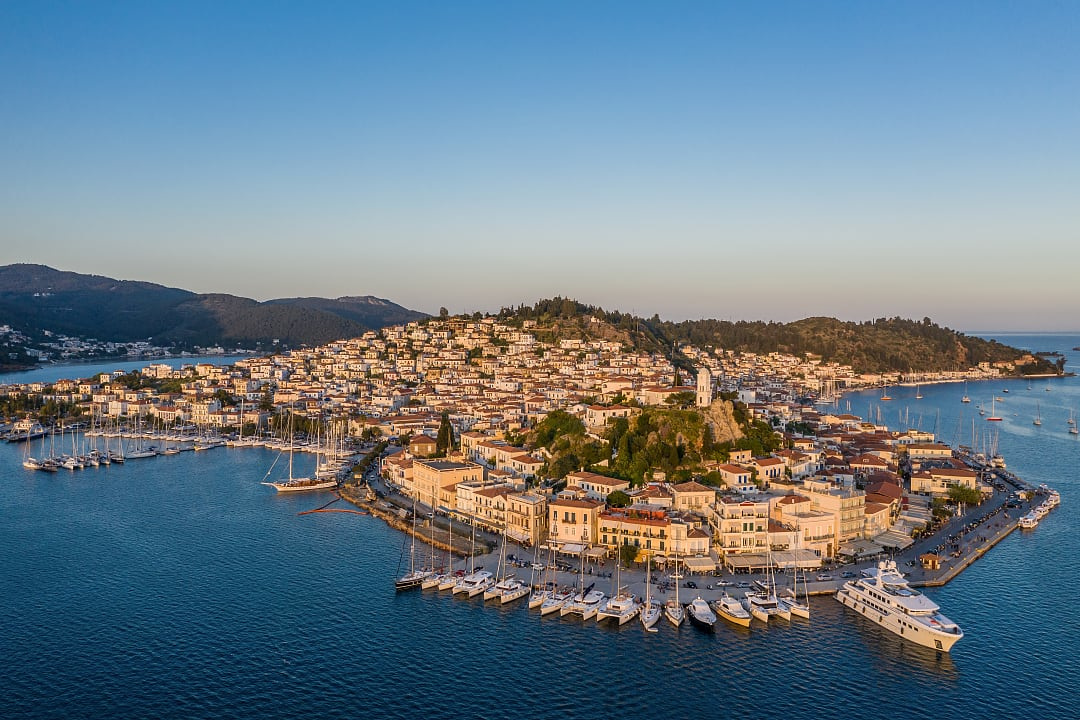
Aerial view of the Port in Poros, Greece
Poros, Greece

Choosing when to visit is about deciding how you want the islands to feel beneath the sun, quietly luminous or full of peak-season energy.

  • Step off the gangplank in May, June, September, or October. During these months, the air is warm enough for linen and bare shoulders, but the sun doesn’t feel harsh and seaside promenades are busy without being overwhelming.
  • In July and August, beaches come alive with parasols and sunset viewpoints hum with conversation, so plan these months if you like a festive atmosphere and don’t mind sharing the view. If you prefer empty loungers, avoid them.
  • During the shoulder months, the majority of islands feel fully awake: harbor cafés clatter with plates, boutique hotels lay out breakfast on breezy terraces, and marinas overflow with activity, but you still find space at the best tables and piers.
  • These windows give you long, sunlit sailing days with soft breezes and calm, glassy anchorages, ideal for lingering on deck with a book or diving straight into the water without a chill.
  • With fewer hurried day-trippers, you can follow the aroma of baking bread down backstreets, chat with shopkeepers, and watch fishermen mend nets at dawn, feeling more like a welcomed guest than another face in a crowd.

Best Months to Visit the Greek Islands

  • May
  • June
  • September
  • October

Start shaping the season that matches your preferred mood and pace with the Best Time to Visit Greek Islands

Is Greek Island Hopping Worth It?

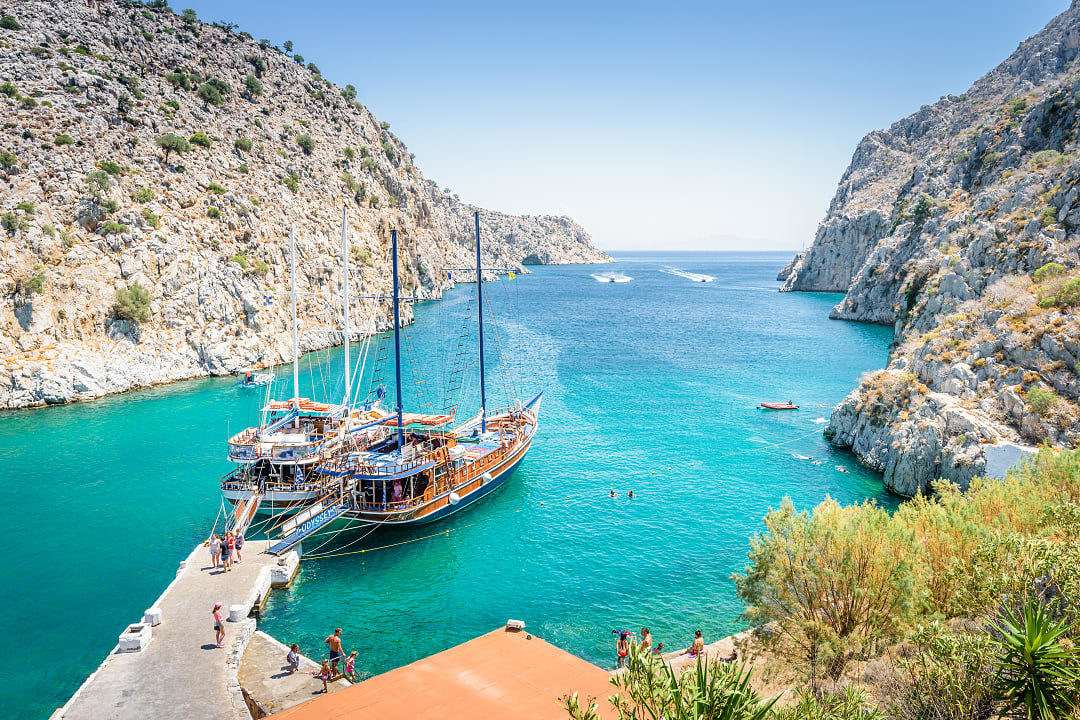
Vathys bay on the Dodecanese island of Kos in Greece
Vathys bay on Kos Island, Greece

Island hopping is worth it if you want to feel Greece change beneath your feet and under your keel with every horizon you cross.

  • As your boat approaches each harbor, you’ll notice how church bells ring differently, façades change color, and menus shift from island to island, revealing just how varied life is beneath the “Greek islands” label.
  • In the Cyclades, sail toward villages that look painted onto the cliffs, with white cubes stacked high above a steel-blue sea, blue domes gleaming in the sun, and the sound of music drifting from cliffside bars as evening falls.
  • In the Dodecanese, stone knights’ streets, minarets, and palms share the skyline, so you can wander cobbled lanes that smell of spices and sea spray, feeling the centuries-old meeting of East and West.
  • Many islands lie farther apart than the map suggests, which means you may spend hours watching the horizon shift, feeling the wind strengthen or soften as you cross open channels.
  • Ferries and flights can stretch travel days to two hours or more, so planning smartly ensures your memories are of clinking glasses on deck and plunging into blue bays, not just waiting rooms and terminals.
  • When you start with your desired feeling, be it unplugged coves or lantern-lit old towns, your route evolves into something coherent and deeply satisfying, rather than a frantic dash across the map.
  • Done well, island hopping turns each transfer into part of the joy: the rush of wind as the boat accelerates, the gradual reveal of a new skyline, the first scent of pine or grilled fish as you glide into your next harbor.

If your time is finite and you want every crossing to feel intentional, review typical transfer times and patterns with our How to Get Around Greece guide before deciding how many islands to include.

Advice for Picking Islands in Greece

Senior couple sailing on the sea of Greece

Choosing islands is about matching each place to the story you want your trip to tell.

  • Ask yourself whether you want soft-sand mornings with your toes in warm surf, candlelit dinners under Venetian arches, or days spent hiking in mountain air scented with thyme, then let those answers steer your choices.
  • With over 6,000 islands spread across nearly 1,000 miles of water, narrowing your focus lets you delve into a few places, strolling familiar lanes by your third night, greeting the same barista, and watching the same fishing boats depart at dawn.
  • If you crave shared sunsets and clifftop pools, Santorini wraps you in caldera views, wine-scented evenings, and quiet terraces where the world feels far away, making it ideal for couples.
  • For families, Rhodes folds together castle walls, Old Town alleys, and long sandy bays, so children can step out of the sea and straight into a storybook setting.
  • On Crete, you can wake to cool gorge air, follow trails perfumed with wild herbs, then cool off in coves where the water is so clear you see every shifting shadow of fish below.
  • By choosing between the Cyclades, Ionian, or Dodecanese, you reduce long transit days and allow each group’s atmosphere to envelop you, whether that’s Cycladic starkness, Ionian green, or Dodecanese stone and spice.

Use these impressions, together with the archipelago breakdowns that follow, to decide where to go, then refine your shortlist with flagship experiences on our customizable Greek island-hopping itineraries.

Cyclades Islands

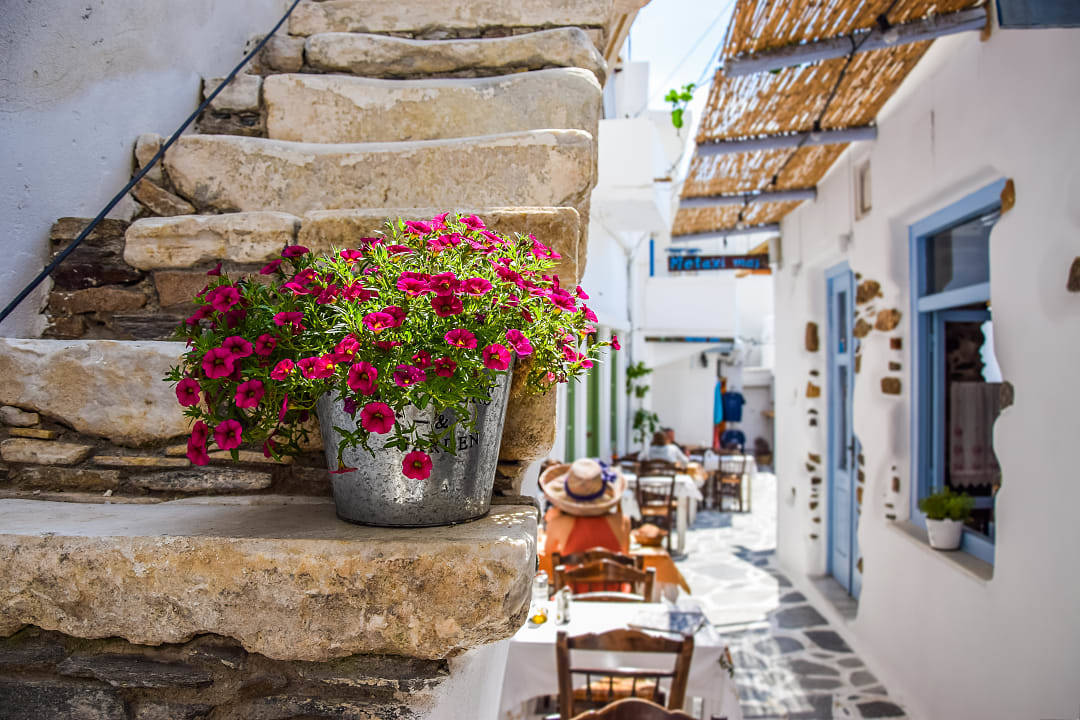
Traditional street on Naxos, Greece
Naxos island, Greece

The Cyclades are where Greece feels like a dream you’ve seen in photographs, then suddenly you’re standing in it.

  • As you sail in, white houses cascade down the slopes, church domes glow against the sky, and bursts of bougainvillea spill over stone walls, giving the impression of a sunlit stage set that becomes your everyday backdrop.
  • Mykonos is filled with yacht horns and the clink of glasses at chic beach clubs, while Santorini offers quiet, breath-held sunsets as the caldera glows orange and bells echo from hilltop churches.
  • On Milos, coves carved into chalky rock and lunar-white headlands create secluded swimming spots where you can slide into turquoise water with only the sound of your own splash echoing off the stone.
  • Beyond the best-known names, smaller islands in the Cyclades give you sleepy harbors where fishermen hang octopus to dry, quiet squares where old men play backgammon, and chapels perched alone on rocky outcrops.
  • You’ll find design-forward cave suites, rooftop infinity pools, and polished marinas, making it easy to step from your boat into a world of attentive service, cool towels, and freshly shaken cocktails.

Blend the drama of Santorini and Mykonos vacations with the softer, hidden-bay charm of Milos tours for a Cycladic itinerary that moves from iconic to quietly indulgent.

Saronic Gulf Islands

Ferries on Poros island, Greece
Poros island, Greece

The Saronic islands are perfect when you want to slip out of Athens and, within a short sail, feel like time has slowed down.

  • Within hours of leaving the city, you can watch the Acropolis fade behind you, feel the air turn saltier, and arrive in harbors where the loudest sounds are gulls and café chatter, making them ideal for short, luxurious escapes.
  • On Hydra, cobbled lanes climb past stone mansions and bougainvillea-clad courtyards, and the absence of cars leaves only the clip-clop of donkeys and the murmur of conversations by the water.
  • Spetses smells of pine and sea, and as horse-drawn carriages roll along the waterfront, lanterns flicker in the evening breeze and motor noise gives way to hoofbeats.
  • Arriving at Poros, your boat glides toward a harbor crowned by a clock tower, its chimes floating over tree-shaded beaches and café terraces where locals sip coffee overlooking the water.
  • The Saronic islands make a simple, all-season retreat, where you can plan last-minute getaways knowing ferries and local life continue even when more distant clusters go quiet.

Weave a Saronic escape into your journey for an easy contrast to Athens, savoring carefree days on Hydra, Spetses, or Poros without complex travel planning. For more inspiration, see our Essential Athens and Greek Islands Vacation, which can be customized to your preferences.

Ionian Islands

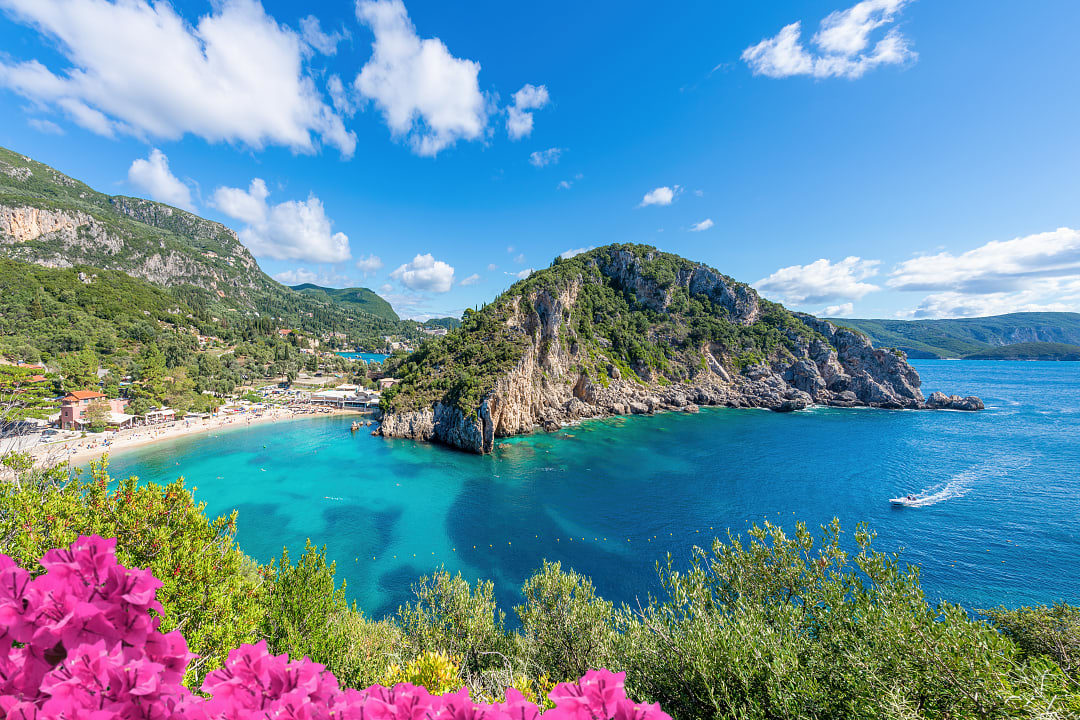
Corfu island in Greece
Corfu island, Greece

The Ionian islands are for travelers who picture green hills dropping into emerald water and harbors that feel more Venetian than Cycladic.

  • As you approach, cypress trees and olive groves slide down toward the sea, and pastel façades shimmer in the heat above small marinas, giving the Ionians a softer, more Italianate feel.
  • Corfu’s Old Town invites you into shadowed arcades, echoing church interiors, and narrow lanes scented with citrus and strong coffee, with the sea always just around the corner.
  • On Paxos, silver-green olive leaves whisper in the breeze, and narrow roads lead to quiet bays where a single taverna might set tables directly on the pebbles by the water.
  • Kefalonia’s Mount Aenos rises over pine woods and free-roaming horses, while below, you find beaches where the sea shifts from deep sapphire to translucent turquoise near the shore.
  • Sailing these waters, it’s easy to imagine scenes from Homer’s Odyssey, as you watch the wake stretch behind your boat and arrive at small harbors that feel timeless.

Use our Corfu vacations and tours as a gateway to this lush, romantic region, then fan out to nearby islands where the scent of pine and olive wood mingles with sea air.

Sporades Islands

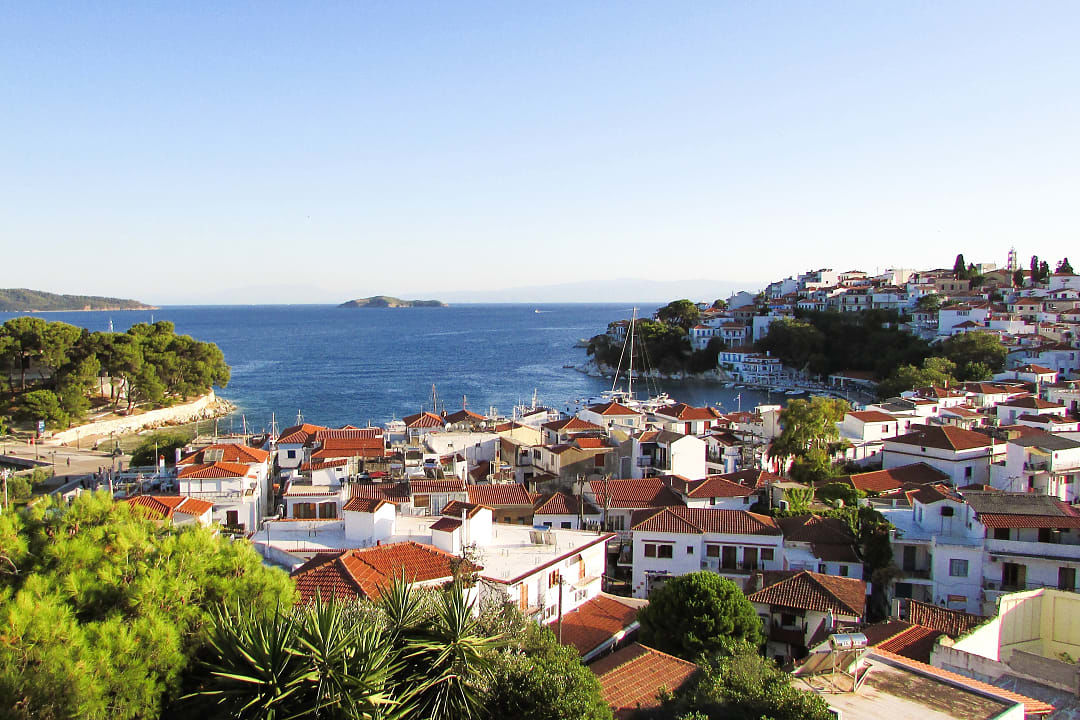
Chora city in Skiathos, Greece
Chora on Skiathos island, Greece

The Sporades are ideal when you want to feel surrounded by the green of pines, oaks, and olives as your boat threads between quiet, protected coves.

  • With only four inhabited islands, you can wake to birdsong in one port, spend the afternoon anchored off an uninhabited islet, and dine in another harbor the same day, without long, open-sea crossings.
  • Around Alonnisos, the marine park’s waters are pristine, and you may bob at anchor with only the sound of waves and the rustle of leaves from the forested slopes above.
  • Skiathos has wide sandy beaches and shallow, clear water where children can paddle and play while pine trees cast cool shade close to the shore.
  • On Skopelos, white houses cluster around a harbor ringed in cafés, while further inland, chapels perch on rocky promontories that catch the last red light of sunset.
  • Skyros is like a secret, with a whitewashed main town climbing a hill crowned by a medieval castle wall and views that stretch over an open, shimmering sea.

Choose the Sporades if you dream of green slopes meeting blue coves and want to blend family-friendly beaches with quiet, romantic anchorages.

Northeast Aegean Islands

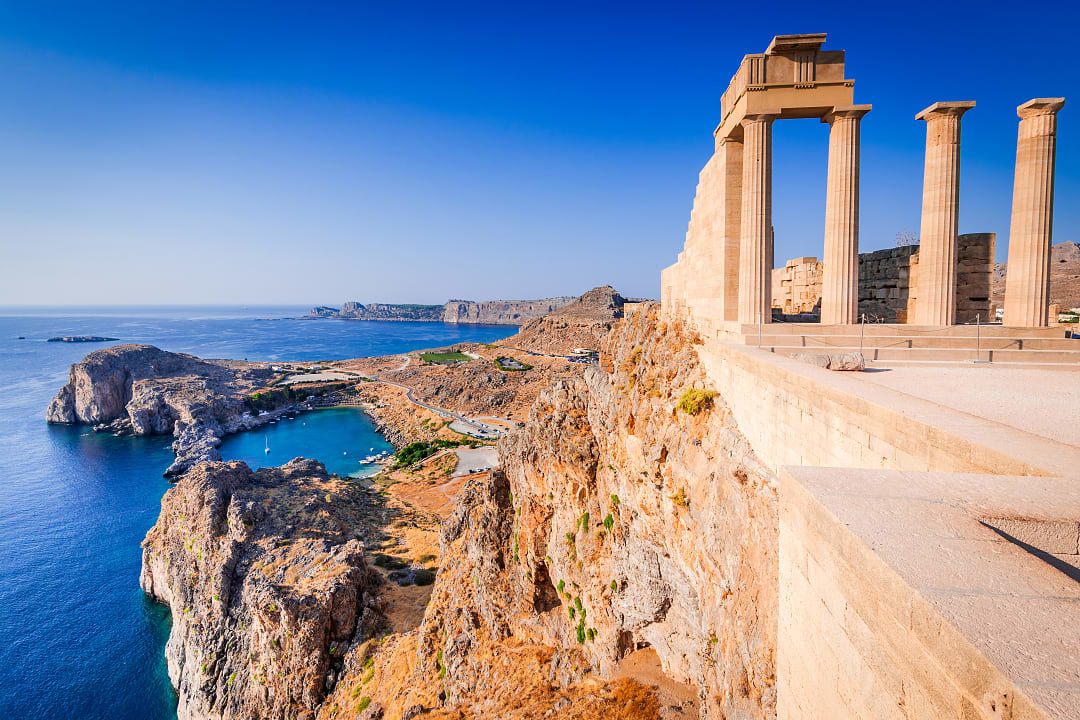
Lindos, small whitewashed village and the Acropolis of Rhodes island at Aegean sea in Greece
Acropolis of Rhodes island, Greece

The Northeast Aegean islands reward travelers who are willing to go a little farther, where the air carries the scent of pine, incense, and the open sea.

  • As your boat nears these less-visited shores, you often see untouched hills, olive terraces, and small villages clustered around simple ports, with far fewer yachts dotting the horizon.
  • Onshore, fortified villages whisper stories of Venetian and Ottoman eras, their stone alleys cooled by thick walls and their squares shaded by old trees.
  • Five standout islands offer golden beaches, hot springs, or dramatic cliffs, yet you may find yourself sharing them with only a handful of other visitors.
  • Landscapes range from petrified forests that creak underfoot to volcanic outcrops where steam rises on cool mornings, making walks here feel like stepping into a saga.
  • Some spots are linked to legends like the birthplace of Hera, so as church bells ring and waves break below, you’re surrounded by stories as old as the stones under your feet.

Sail here if you want every landfall to feel like a discovery, with fewer crowds and deeper ties to myth and history woven into your route.

Dodecanese Islands

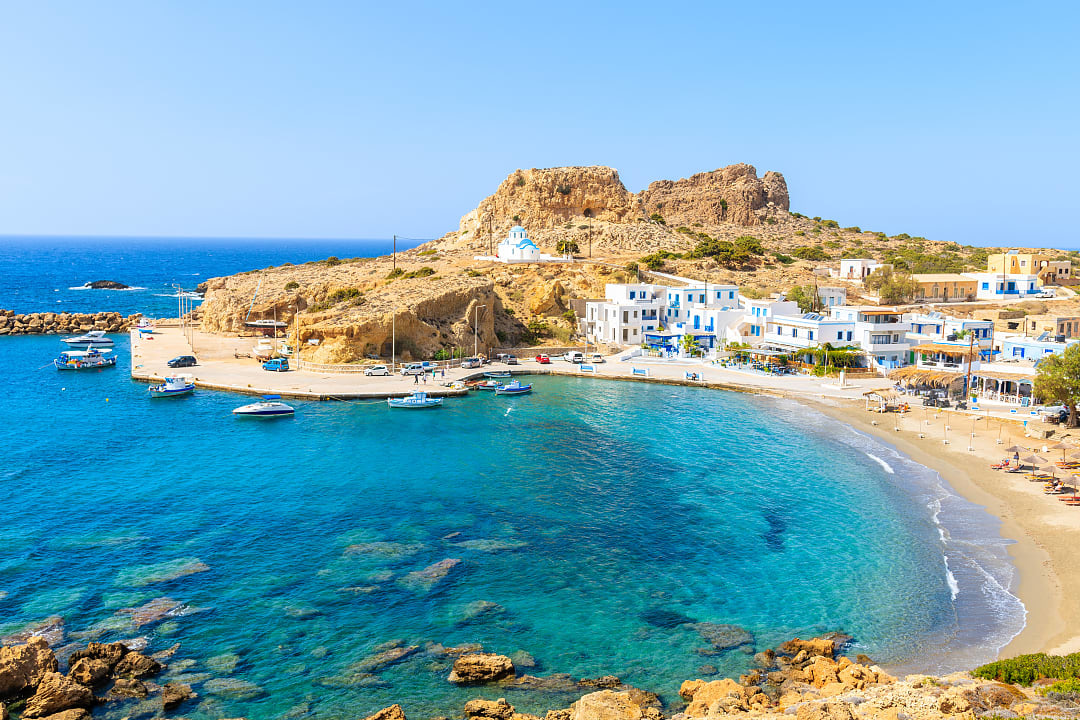
Finiki-Village on Karpathos island in Greece
Finiki-Village on Karpathos island, Greece

The Dodecanese are made for travelers who want to pair turquoise bays with the romance of stone walls, harbor fortresses, and timeless town squares.

  • You might glide into a harbor where a crusader-era castle towers above pastel houses, then sail on to a quiet anchorage backed by low, scrubby hills and the gentle chiming of goats’ bells.
  • In many bays, the water is so clear you can watch your anchor settle on the seabed and see fish flicker below your hull, inviting afternoon swims right off the stern ladder.
  • Rhodes and nearby islands let you walk along worn cobbles lined with stone façades, lanterns, and flowering vines, hearing your footsteps echo in streets unchanged for centuries.
  • Between swims, hike rocky hills scented with wild oregano, climb crags with sea views, or wander through excavated temples and amphitheaters that overlook quiet bays.
  • Compared with the Cyclades, many Dodecanese ports feel unhurried and lived-in, with waterfront tavernas where owners recognize you by your second or third evening.

Anchor your Dodecanese journey Rhodes and Kos, then visit smaller islands where castle walls, church bells, and clear bays set the mood. See our Rhodes vacations for more ideas.

What Are the Best Greek Islands?

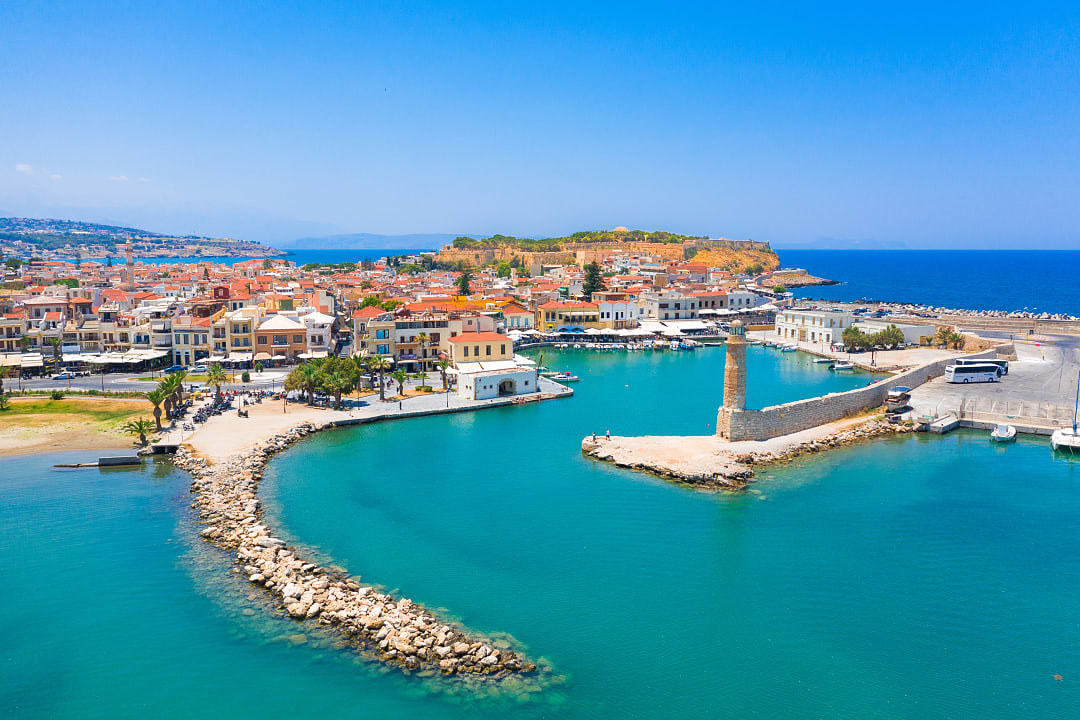
Old Venetian harbor of Rethimno, Crete, Greece
Rethimno on Crete island, Greece

The “best” islands are the ones where the light, landscape, and pace of life resonate most with the way you want to travel.

  • Crete: On Crete, breakfast overlooking a Venetian harbor, hike through a gorge perfumed with wild herbs, then end the day on a beach where warm surf washes over sand still warm from the sun.
  • Naxos: Naxos brings together broad sandy beaches, whitewashed hilltop villages, and a port where the scent of grilled fish and baking pastries drifts over the waterfront each evening.
  • Paros: Paros’s harbors flicker with candlelight and low music at night, while by day you can wander polished lanes, browse boutiques, and swim off golden beaches just beyond town.
  • Santorini: On Santorini, watch the caldera transform from deep blue to molten gold at sunset, with church bells and the clink of glasses rising from terraces carved into the cliff.
  • Rhodes: Rhodes’s medieval Old Town wraps you in stone alleys, jasmine-scented courtyards, and shaded squares, all just a short stroll from the sea wall and long, inviting beaches.
  • Milos: Milos offers otherworldly shores where white rock meets electric-blue water and small boats anchor in coves that feel like private lagoons.
  • Tinos: On Tinos, pilgrims climb to hilltop churches while sea breezes carry the sound of distant bells, and slow evenings in village squares feel deeply, peacefully local.

For more on the top isles to visit, see Zicasso’s Best Greek Islands to Visit: Trip Ideas and Inspiration.

Best Greek Islands to Visit in Winter

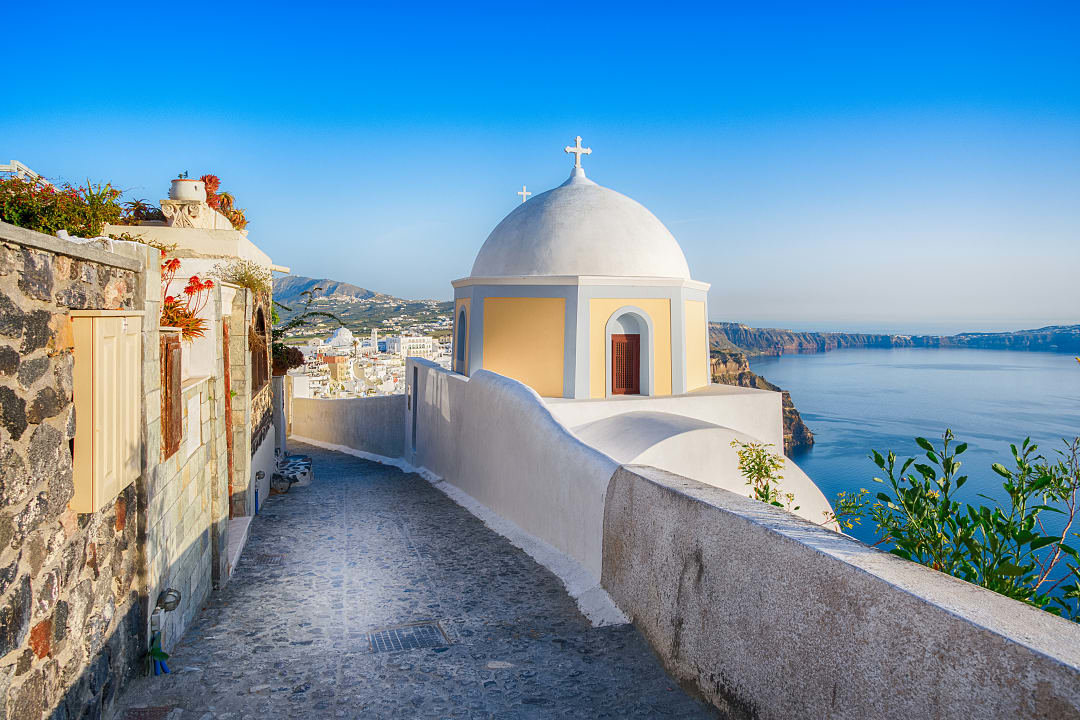
Santorini on a sunny day in Greece
Santorini island, Greece

Visiting Greek islands in winter is about quiet streets, clear air, and the glow of lamplight on stone rather than long days on the sand.

  • Off-season reality: On many islands, you’ll feel cool sea air on your cheeks, see waves crash against empty promenades, and walk hushed lanes under low winter light, trading sunbathing for atmosphere.
  • Year-round Santorini: In Santorini’s off-season, cruise ships still dock, shops stay open, and you can wander caldera paths wrapped in a jacket, hearing the wind rush past the cliff as you look down at white houses clinging to the rock.
  • Mild Crete: On Crete, coastal towns remain lively and you can sit in tavernas warmed by heaters or fireplaces, tasting slow-cooked stews and local wine while rain patters softly outside.
  • Limited services: On smaller islands like Hydra, Poros, or Rhodes, you might find shuttered beach bars and fewer ferries, but a deeper sense of local routine in open cafés and bakeries.
  • Culture over beaches: Winter invites you to explore museums, old towns, and monasteries, breathing in cool air on hilltops and watching clouds race across a steel-blue horizon instead of lying on a lounger.

Balance these atmospheric rewards against cooler temperatures and reduced services by reviewing ideas in our Greece in Winter guide before you pack your coat.

Best Greek Islands to Visit Close to Athens

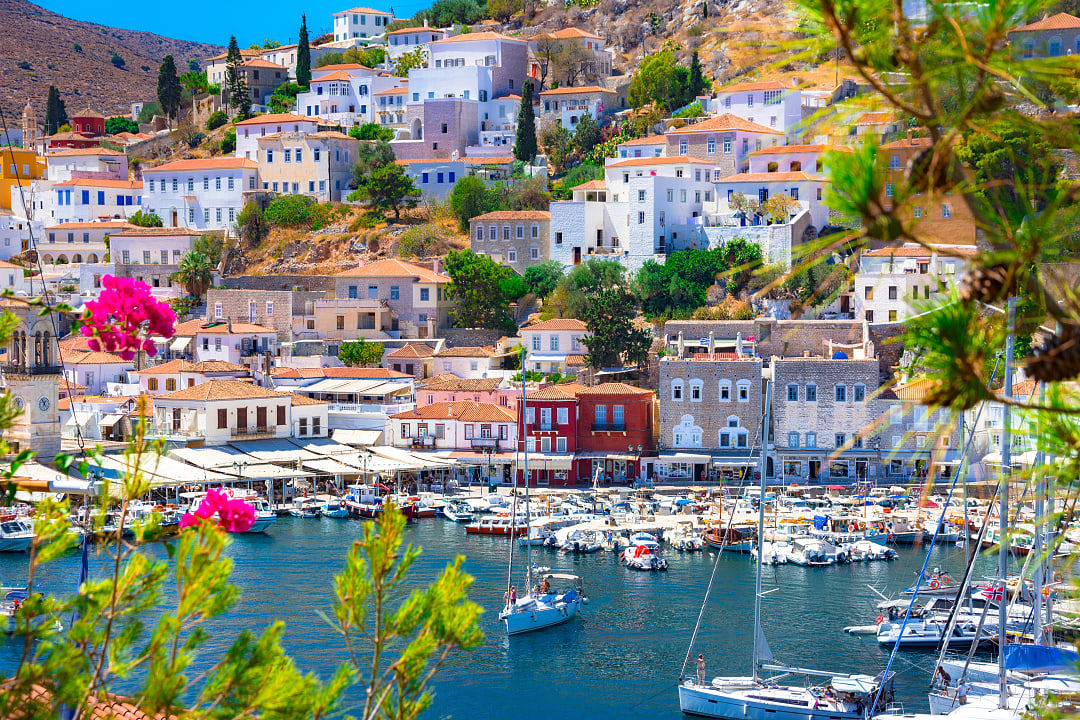
Hydra island in Greece
Hydra island, Greece

Islands near Athens let you swap city streets for salt air in a single morning, then return to the capital without ever feeling rushed.

  • Saronic convenience: Aegina, Poros, and Hydra sit just a short sail or ferry from the city, so you can leave the hum of traffic behind, feel the breeze freshen on deck, and dock in villages where the loudest sound is the clatter of cups at a waterfront café.
  • Urban escape: A day here might mean wandering under pistachio trees on Aegina, climbing lanes above Hydra’s horseshoe harbor, or watching the sun sink behind Poros’s clock tower, before a twilight return to Athens.
  • Short flights: Santorini and Mykonos are also within a 45- to 50-minute flight of Athens, so you can watch the city lights fall away and, in under an hour, be descending toward white villages and deep-blue sea.
  • Ferry flexibility: High-speed ferries, though longer than flights, let you feel the sea shift beneath you, sip a coffee on deck, and watch islands slide past, turning the journey into part of the experience.
  • Mix and match: Pair a Saronic day trip with a quick flight to Santorini or Mykonos, giving you both the intimacy of close-to-Athens havens and the drama of the Cyclades in one itinerary.

Our Reality of Ferries in Greece: When to Fly and When to Sail has more information to guide you.

Which Greek Islands are Best for First-Timers?

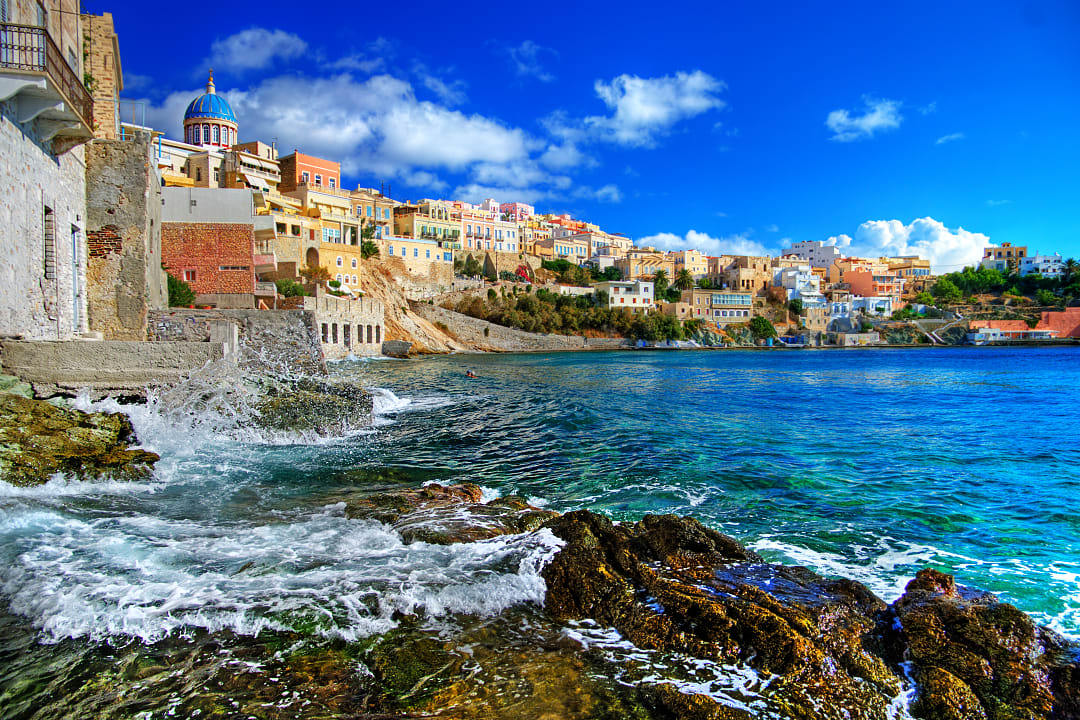
Syros island in Greece
Syros island, Greece

For first-timers, the best island is the one that makes you feel instantly at home, while also being awestruck.

  • Santorini – picture-perfect intro: Walk narrow paths lined with white walls and cobalt doors, feel the heat rise from sun-warmed steps, and watch sailboats drift below you in the caldera. It’s the postcard made real.
  • Mykonos – lively gateway: In Mykonos Town, cafés spill onto the cobbles, music floats out of doorways, and the scent of sunscreen and salt lingers in the air as you wander between boutiques and the waterfront.
  • Crete – all-rounder: Crete’s harbor towns glow golden at sunset, gorge hikes end in tavernas where grilled fish arrives still sizzling, and the island’s breadth gives you a taste of everything Greece can be.
  • Rhodes – history-rich: Rhodes Old Town wraps you in warm stone and echoing arches, while outside the walls, beaches arc along clear water where you can swim before strolling back through medieval gates.
  • Naxos – softer Cyclades: On Naxos, waves roll gently onto long sandy shores, and evenings feel unpretentious and welcoming as locals and visitors share the same seafront tavernas.
  • Hydra and Syros – elegant tastes: Hydra’s stepped lanes and Syros’s neoclassical squares offer first-timers immediate charm and a sense of refined, lived-in beauty rather than pure resort polish.

Best Greek Islands for Families with Kids

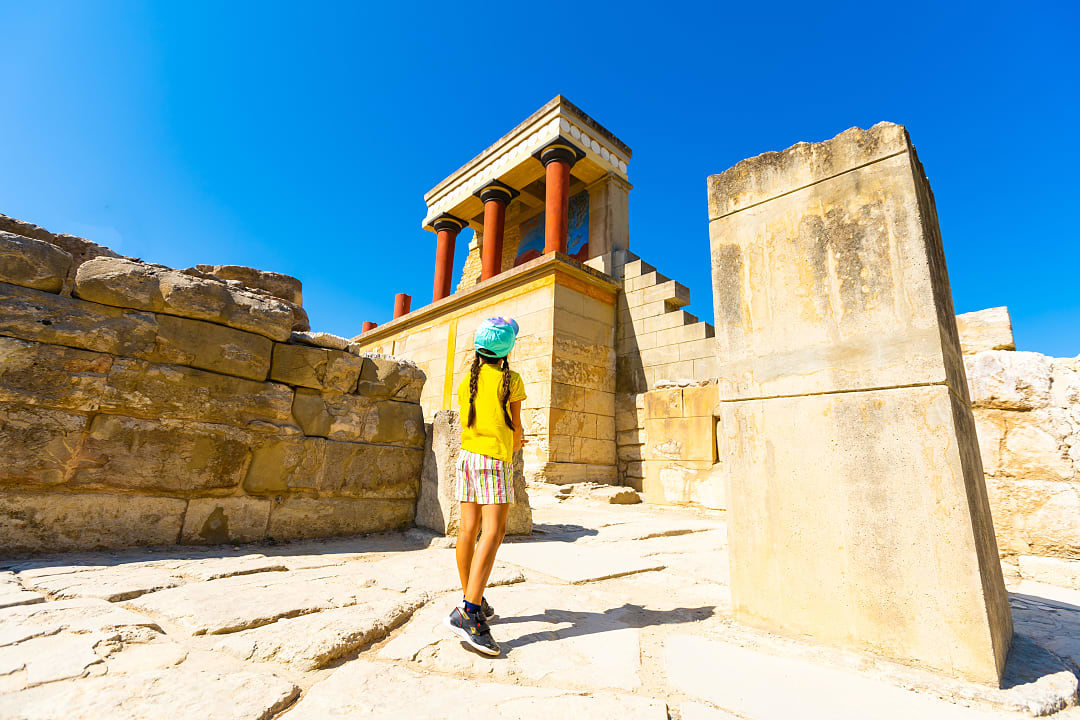
Walls of the Minoan palace at Knossos, Crete Island, Greece
Knossos Palace on Crete island, Greece

Family-friendly islands turn every day into a mix of easy adventure, soft landings, and stories that stay with you long after you leave.

  • Crete – family playground: On Crete, children can chase waves on wide beaches in the morning, run between ruins at Knossos imagining ancient kings and monsters, and fall asleep to the sound of cicadas outside.
  • Rhodes – beach and castles: Rhodes lets kids climb medieval walls, explore narrow alleyways, and then cool off in calm bays, all without long drives or complex transfers.
  • Delos – myth alive: A day trip to Delos feels like stepping into a storybook, as your guide points out temples and mosaics while sea breezes tug at your hat and myths come alive in the ruins.
  • Paxos – gentle pace: On Paxos, afternoons melt into each other as families swim off pebbled beaches, share plates of grilled fish with lemon, and wander sleepy harbors at dusk.
  • Milos – natural playground: Children love scrambling over the smooth white rocks of Sarakiniko, jumping into deep-blue water, and exploring caves by boat, turning the coastline into a giant adventure course.
  • Santorini – views with ease: With the right base, Santorini offers family pools hanging above the caldera, short scenic walks, and cable-car rides, making big views accessible even with little legs.
  • Naxos – beach haven: Naxos’s shallow, sandy bays invite hours of splashing, sandcastle building, and paddleboarding in warm, clear water.
  • Alonissos – nature focus: In Alonissos, a protected marine park and forested trails give families the chance to spot wildlife, breathe in resin-scented air, and picnic overlooking brilliantly blue seas.

Match these impressions to your children’s ages and interests, then explore the Best Greek Islands for Families to Visit for more detailed, island-by-island guidance.

Best Greek Islands for Couples or Honeymooners

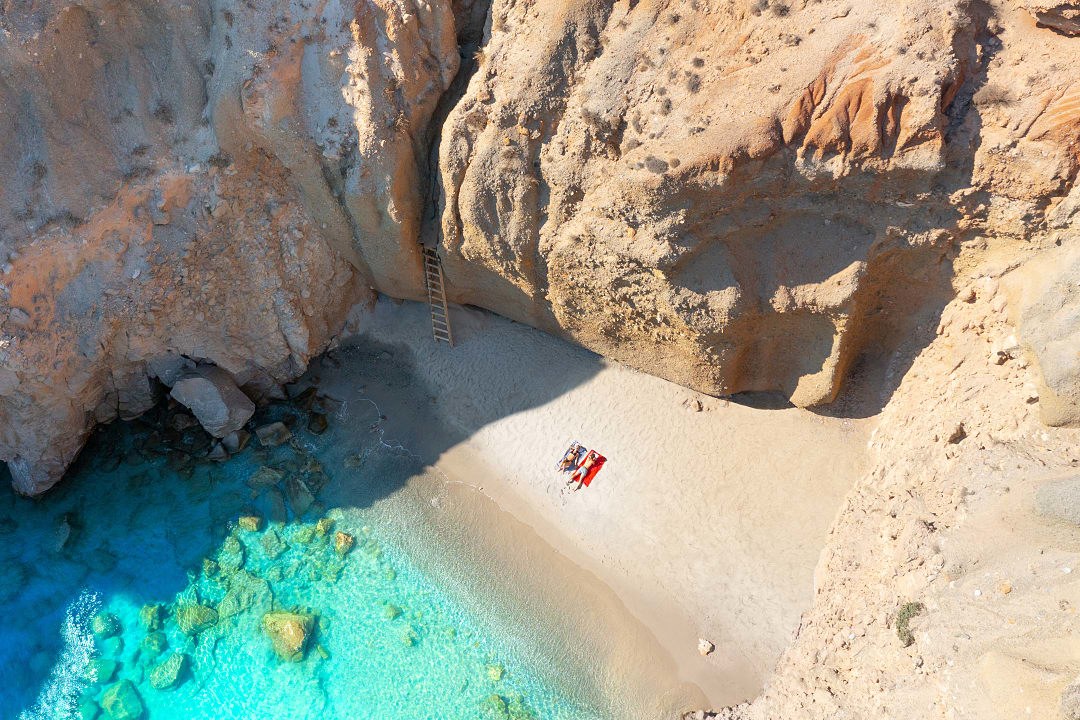
Famous Tsigrado beach in Milos, Greece
Tsigrado beach on Milos island, Greece

For couples, the best islands are those where the world narrows to warm light on stone, the sound of waves, and the clink of glasses at sunset.

  • Santorini – signature romance: You might float in a private plunge pool as the caldera glows pink, hear the faint echo of church bells above, and share a bottle of local Assyrtiko while the last light fades.
  • Monemvasia – medieval escape: In Monemvasia, you walk hand in hand through lantern-lit alleys inside the castle walls, with the scent of stone, sea, and woodsmoke mixing in the cool evening air.
  • Symi – pastel harbor: Arriving at Symi, you see rows of pastel mansions rising from a narrow bay and evenings begin with drinks on the quay as lights reflect off the water and the whole harbor glows.
  • Rhodes – varied experiences: Rhodes lets you move from spa loungers and sunbeds to atmospheric dinners in vaulted stone rooms, then evening strolls past ivy-covered alleyways.
  • Milos – intimate coves: On Milos, a small boat can slip into hidden bays where the only sounds are your laughter, the splash of oars, and distant gull calls, turning each swim into a private ritual.
  • Crete – extended romance: Crete gives couples room to roam, from vineyard tastings on sun-drenched hillsides to quiet mountain villages where the smell of baking bread drifts through narrow lanes.

Let these impressions guide you, then expand beyond the islands to the mainland’s most secluded corners with our guide to the Most Romantic Places in Greece for Couples.

Greek Islands with the Best Beaches

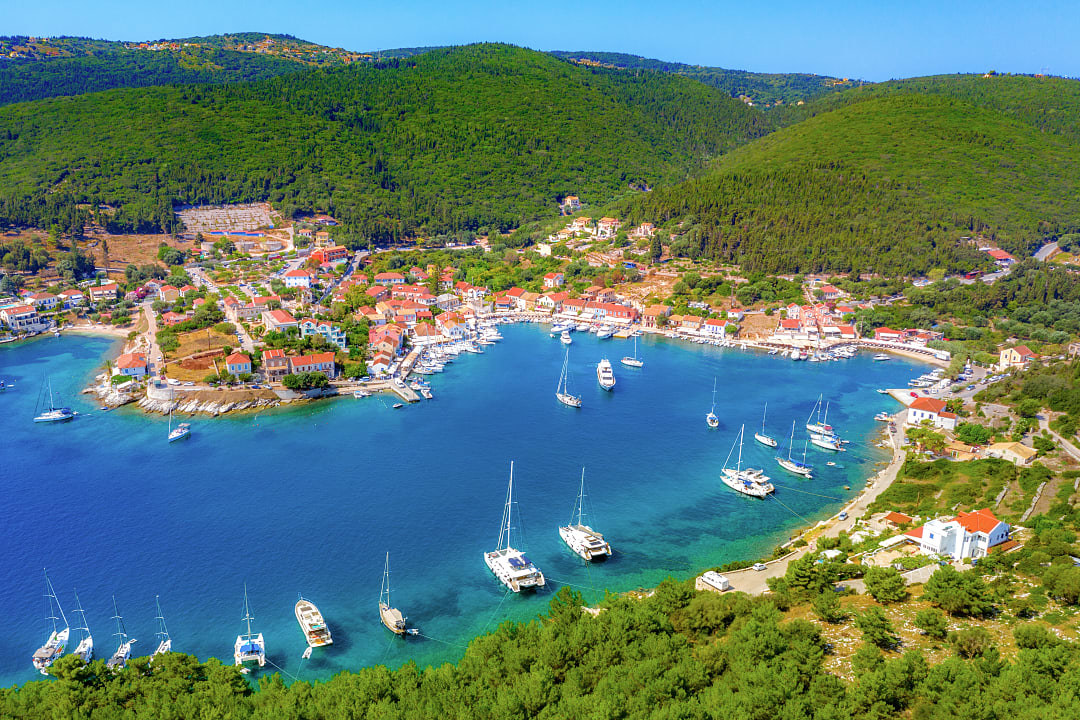
Picturesque Fiskardo village in Kefalonia Island, Greece
Fiskardo village on Kefalonia island, Greece

Beach-focused islands are where your days fall into a delicious pace of warm sand, cool water, and lingering seaside lunches.

  • Mykonos – chic shores: On Mykonos, music drifts from stylish beach clubs, sunbeds line soft sand just steps from shimmering water, and you can slip seamlessly from a late swim into sunset drinks.
  • Santorini – dramatic setting: Santorini’s red, black, and white beaches sit beneath volcanic cliffs, so you lie on warm pebbles listening to waves echo off the rock, with the caldera always in view.
  • Naxos – long strands: Naxos offers endless sandy arcs where water remains shallow and clear, ideal for slow walks along the tide line and unhurried family swims.
  • Corfu – cove variety: On Corfu, you might swim in a crescent of turquoise water backed by olive trees, then drive around a headland to a new bay with a taverna right on the shore.
  • Milos – unique formations: Milos gives you beaches framed by arches, caves, and smooth white terraces of rock, where each dive off the boat feels like discovering a secret lagoon.
  • Zakynthos – famous viewpoints: At Zakynthos’s Navagio Beach, you can gaze down from a clifftop to a pocket of glowing turquoise and pale sand, then descend to feel the sand under your feet.
  • Kefalonia – turquoise drama: Kefalonia’s beaches pair towering cliffs with almost unreal water color, so every arrival feels like turning up at a film set before the cameras roll.
  • Ios – youthful energy: On Ios, beach days blend languid swims, music drifting up from the sand, and golden light that lingers late into the evening, perfect if you enjoy a livelier scene.

Use these shoreline snapshots to choose where you want to feel the sand beneath your feet, then build your route around the Best Beaches in Greece.

Getting Around the Greek Islands

Hydra island, Greece

How you move between islands shapes how your days sound and feel, from the thrum of engines to the hush of sails.

  • Distance awareness: As you study the map, remember that the Aegean, Ionian, and Mediterranean seas stretch wide, so a “short hop” might actually mean hours of horizon and wind. This is delightful if you love open water, demanding if you prefer more time ashore.
  • Airport limitations: On smaller islands without airports, the only approach is by boat, so your first impression might be the smell of salt spray as the ferry ramps lower and island life comes into view.
  • Plane hops: Flights give you the thrill of watching islands shrink to dots beneath the wing, arriving quickly so you can spend golden hours swimming rather than traveling.
  • Ferry link: On ferries, you can stand at the rail with hair whipped by the wind, sip a coffee on deck, and watch distant villages appear and disappear, turning even utilitarian crossings into moments of contemplation.
  • Private boat: A private yacht or catamaran lets you leave harbors at first light, feel the boat surge forward as sails fill, and drop anchor in coves where the only other visitors might be a passing fisherman.
  • Combined strategy: Many travelers prefer to fly to a main island hub and then sail among nearby islands, minimizing long transfers and maximizing the time spent listening to the water slip along the hull.
  • Athens hub reality: With many routes passing through Athens, it’s worth picturing your travel days: the hum of the city, the quiet of the port at dawn, then the moment the city fades and only sea and sky remain.

Ferry Routes to the Most Popular Greek Islands

View of the Acropolis from Plaka town in Athens, Greece
Plaka town in Athens, Greece

Knowing the main ferry routes helps you visualize how your journey will flow from one horizon to the next.

  • Athens hubs: From Piraeus, about 30 minutes from central Athens, ferries glide out past the city, and as you leave the harbor behind you, the smell of fuel gives way to salt air and feel the air cool slightly over open water.
  • Cycladic spine: Routes between Athens, Mykonos, and Santorini carry you across an ever-changing stage of blue, with small islands appearing like stepping stones as the boat plods steadily on.
  • Island-to-island links: Crossing from Crete to Santorini or Mykonos to Santorini, you watch rugged Cretan cliffs sink into the horizon and volcanic silhouettes rise ahead, giving each leg a distinct sense of departure and arrival.
  • Dodecanese bridges: The Rhodes–Crete and Rhodes–Cyclades routes stitch together very different worlds, so you can fall asleep under Dodecanese stars and wake to Cycladic starkness or vice versa.
  • Schedule sensitivity: Because ferries follow seasonal patterns and react to sea conditions, it’s wise to imagine not just timetables, but how you’ll feel, whether leaning on a rail in a warm breeze or watching waves slap the windows of an indoor lounge on a breezier day.

What is the Best Time to Sail Around Greek Islands?

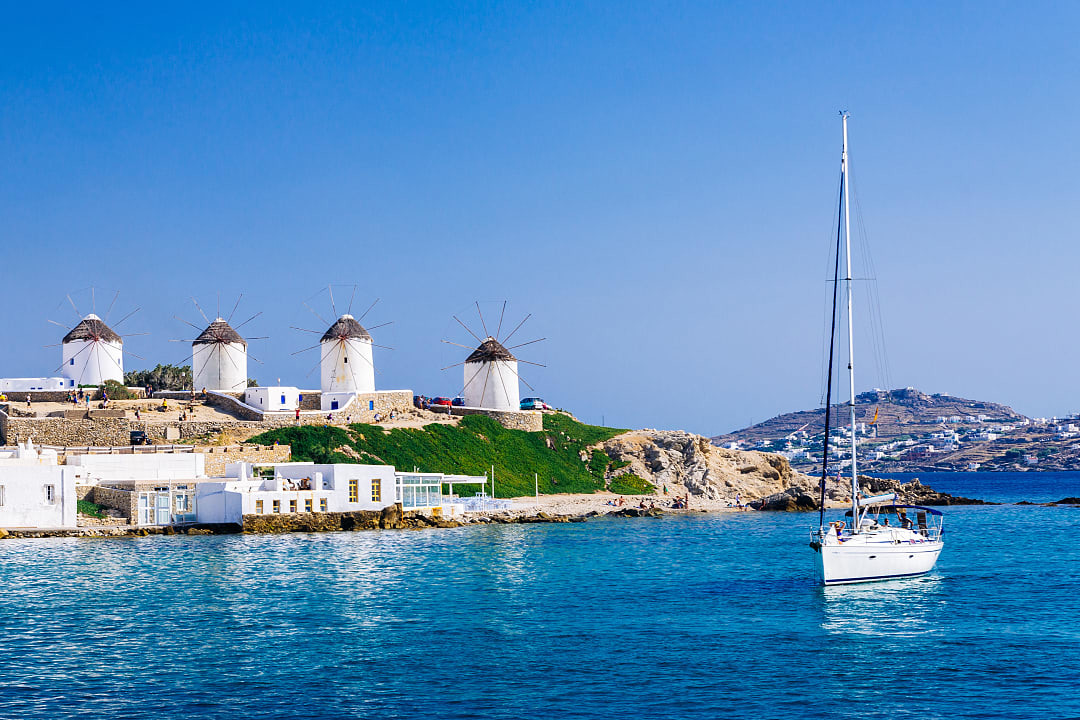
Yacht on the Mykonos Island, Greece
Mykonos island, Greece

The best time to sail is when the wind, water, and light all work together to make each day at sea feel effortless.

  • Sailing season: From April to October, marinas stir awake in the mornings with the smell of fresh bread from nearby bakeries, and sails bloom across the water as boats slip out one by one.
  • Calmer seas: In May, early June, late September, and October, seas tend to be quieter, so you can stretch out on deck, listen to the gentle slap of waves along the hull, and watch sun sparkles dance across relatively smooth water.
  • Island readiness: By May, beach loungers reappear, tavernas set tables on their terraces, and harbors glow at night with the low murmur of conversation and clinking cutlery, all with fewer crowds than midsummer.
  • Balanced experience: Sailing in shoulder months lets you wander near-empty lanes in the heat of the day, then return to a softly rocking boat, feeling the island’s pulse without being swept up in peak-season frenzy.
  • Lifestyle alignment: Decide whether you want lazy, contemplative sunsets in quiet bays or lively marina evenings with music and laughter, and let that vision lead you to spring, summer, or fall.

Is Sailing in Greece Hard?

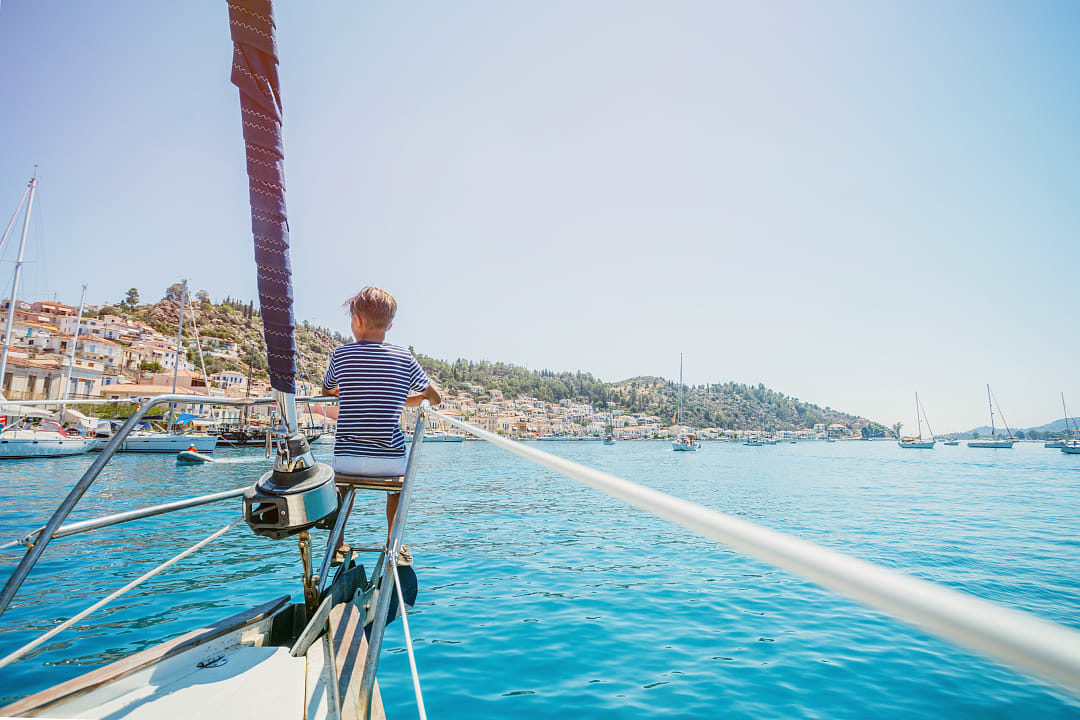
Young boy sailing in Greece
Sailing in the Aegean sea in Greece

Sailing in Greece doesn’t need to feel daunting; with the right crew, it feels like slipping into a well-rehearsed dance with wind and water.

  • Skipper support: With a skipper at the helm, you can settle into a cushioned corner with a drink, feel the boat lean gently as the sails fill, and watch the coastline slide past, knowing someone experienced is watching the charts and sky.
  • Local knowledge: Locals know where reefs hide, where winds funnel between islands, and which bays hold best in certain conditions, giving you a sense of calm as you approach each new shore.
  • Variable elements: Even on sunny days, the sea can surprise you: gusts that ruffle the water into whitecaps, distant storms that darken a slice of horizon, all handled by the crew while you move inside or wrap in a light jacket.
  • Coastline complexity: In some places, you’ll pass jagged rocks and narrow inlets, trusting the guide who has navigated these paths a hundred times before, turning potential stress into pure spectacle.
  • Luxury of ease: The true luxury is being able to wake to the creak of lines and smell of coffee, step out to a new view each morning, and never once worry about plotting a course or reading a forecast yourself.

What are the Sailing Areas in Greece?

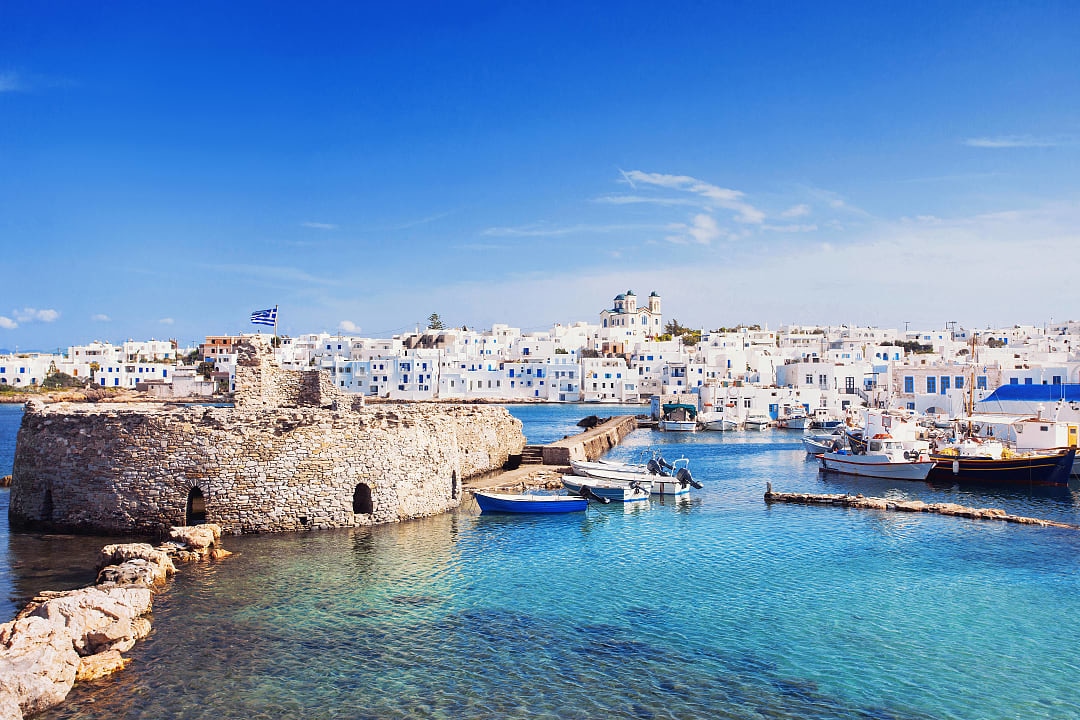
Naousa village on Paros, Cyclades Islands, Greece
Naousa village on Paros islands, Greece

Each main sailing area has its own personality, from the color of the water to the feel of the wind on your face.

  • Ionian – gentle and green: In the Ionian, breezes tend to be softer, olive-covered hills reflect in quiet bays, and evenings smell of jasmine and grilled fish along quayside tavernas.
  • Sporades – pine-framed bays: Among the Sporades, you’ll often anchor beneath slopes thick with pine, hearing the whisper of needles and the distant clang of goat bells, with water so clear you can see the anchor chain shimmer below.
  • Dodecanese – historic routes: In the Dodecanese, wind carries the echo of history as you sail between islands crowned with castles and mosques, each harbor lit by a tapestry of warm lights after dusk.
  • Cyclades – classic, but windier: The Cyclades are wilder and more exposed; the meltemi wind can whip the sea into white streaks, making the sail exhilarating for some and best enjoyed with an experienced skipper for others.

What Type of Boat Should I Choose When Sailing the Greek Islands?

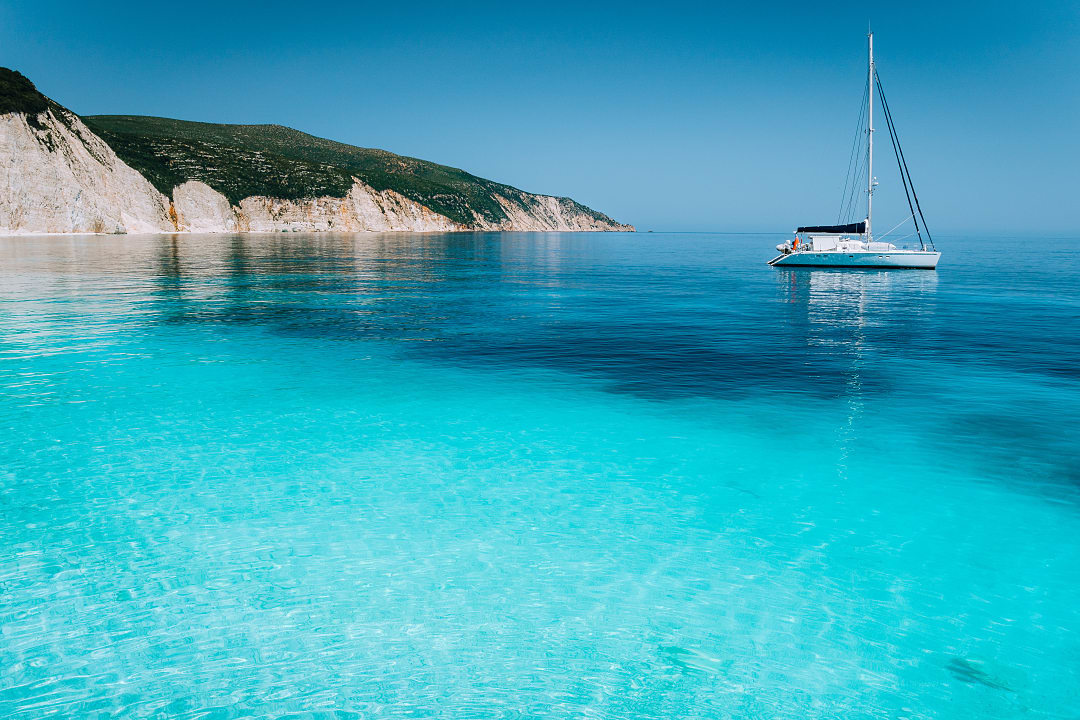
Sailing catamaran on Kefalonia island, Greece
Kefalonia island, Greece

Your boat is your floating home, so its feel underfoot and flow of space will shape every day at sea.

  • Catamaran comfort: On a catamaran, you’ll feel the boat move with a broad, gentle sway rather than a sharp roll, and when you step outside, wide decks and trampolines invite you to lie back, watch the stars, and feel the night air cool on your skin.
  • Long-distance ease: Catamarans slice through the water quickly and steadily, turning what could be a long crossing into a comfortable glide punctuated by the sound of water rushing between the hulls.
  • Onboard livability: With spacious salons, multiple outdoor lounging spots, and wide walkways, you can wander barefoot from bow to stern, choosing sun or shade as the mood takes you.
  • Sailboat trade-offs: Traditional monohull sailboats have their charm – the lean into the wind, the creak of wood and rope – but motion can be more pronounced, and interior space more compact.
  • View-forward design: On most charter catamarans, you can sit at the bow, feel the breeze on your face, and watch the islands approach without obstruction, making the journey as visually rich as each destination.

How Long Do You Need for Greek Island Hopping?

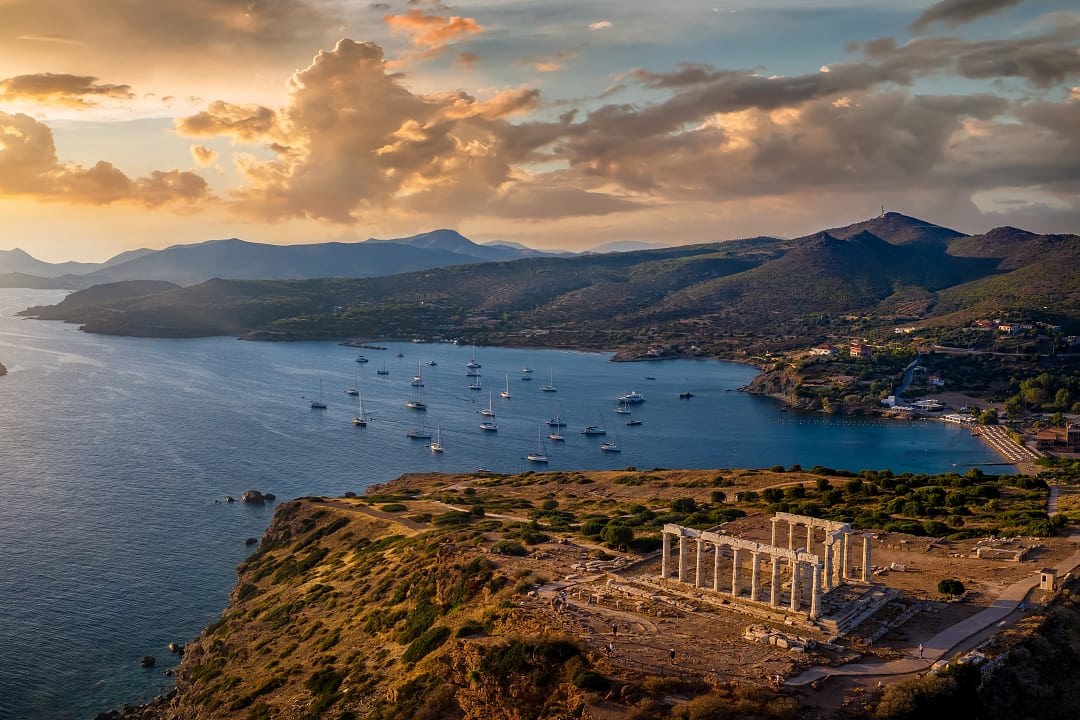
Poseidon Temple and Cape Sounion in Greece

Time is what allows the islands’ moods and details to sink in, rather than blur together.

  • Minimum eight days: With at least eight days, you can feel the weeks’ pace: early harbor mornings, slow midday swims, lantern-lit dinners, and starlit sails without every day being dominated by logistics.
  • Authentic perspective: Traveling by boat lets you see how islands relate to each other, watch fishermen head out before dawn, and fall into the same patterns as locals who live by the sea.
  • Slow travel luxury: Extra days give you permission to stay anchored in a favorite bay just because the water is perfect that morning or linger in a town where a particular café or square has captured your imagination.
  • Cultural layering: With more time, each island becomes more than a stop; you’ll notice the changing scents in bakeries, the different dialects and music styles, and the way each sunset paints its own harbor differently.
  • Tailored itineraries: Working with a specialist means your route can be curated around your preferences, be they hidden monasteries, wine estates, mountain villages, or quiet beaches, rather than generic stops.

Experience the Best of Sailing the Greek Islands

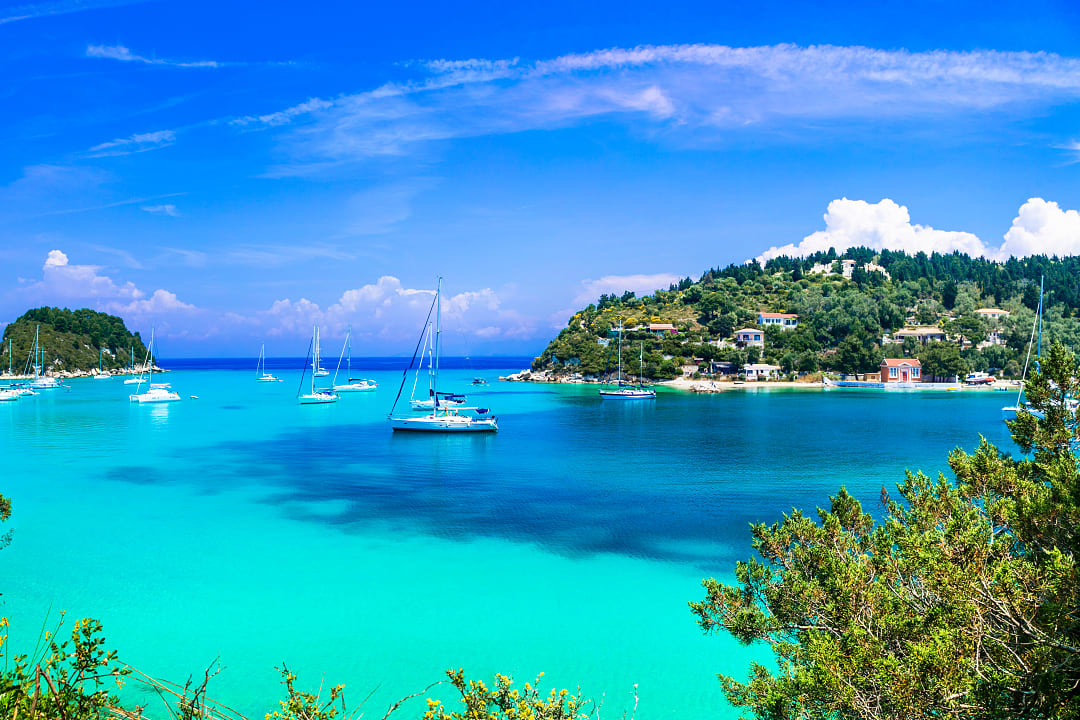
Beautiful turquoise bay in Lakka on Paxos island Greece
Paxos island in the Ionian Sea, Greece

Sailing the Greek islands is about waking to the sound of halyards tapping gently against masts, breathing in sea air with your first coffee, and ending each day under a sky so bright with stars it feels close enough to touch. This guide helps you imagine where you’ll drop anchor, which old towns you’ll wander at dusk, and what kind of breeze you want on your face as you watch the coastline drift by, so you can choose the islands, boats, and seasons that match your idea of luxury.

When you’re ready to turn that vision into a journey, you can explore our curated Greece vacations and tours, then refine the details with the comprehensive Greece travel guide. From the first moment you step aboard to the final view of the islands receding behind you, every decision can help make your time on the water feel effortlessly, memorably extraordinary.

30,000+ Verified Traveler Reviews