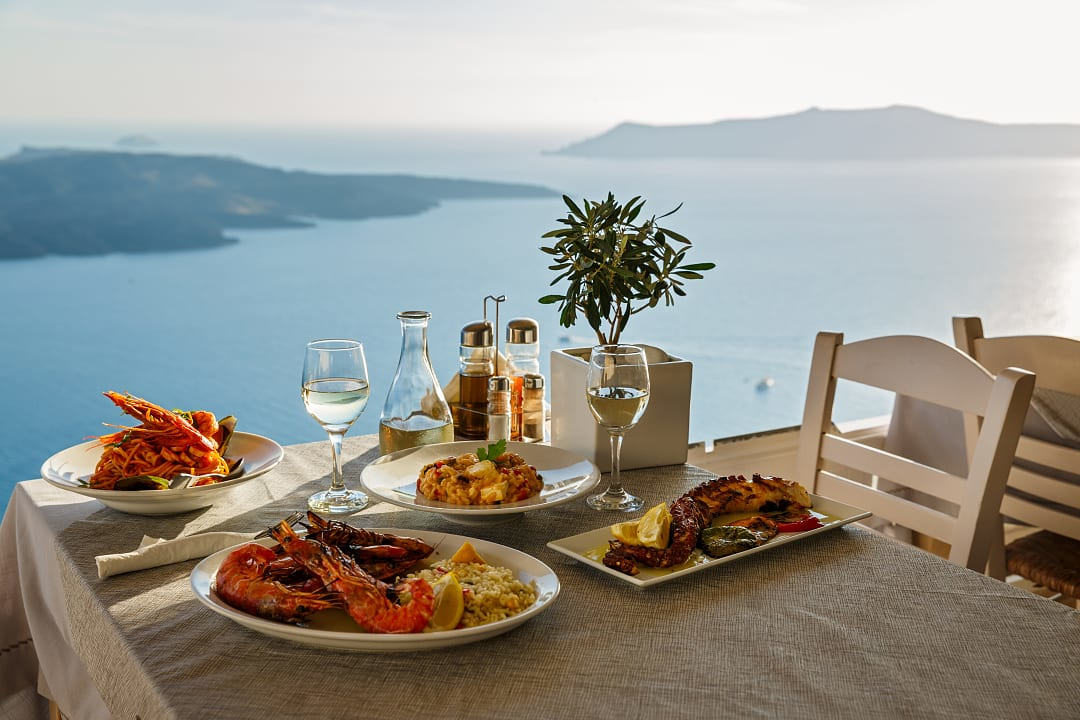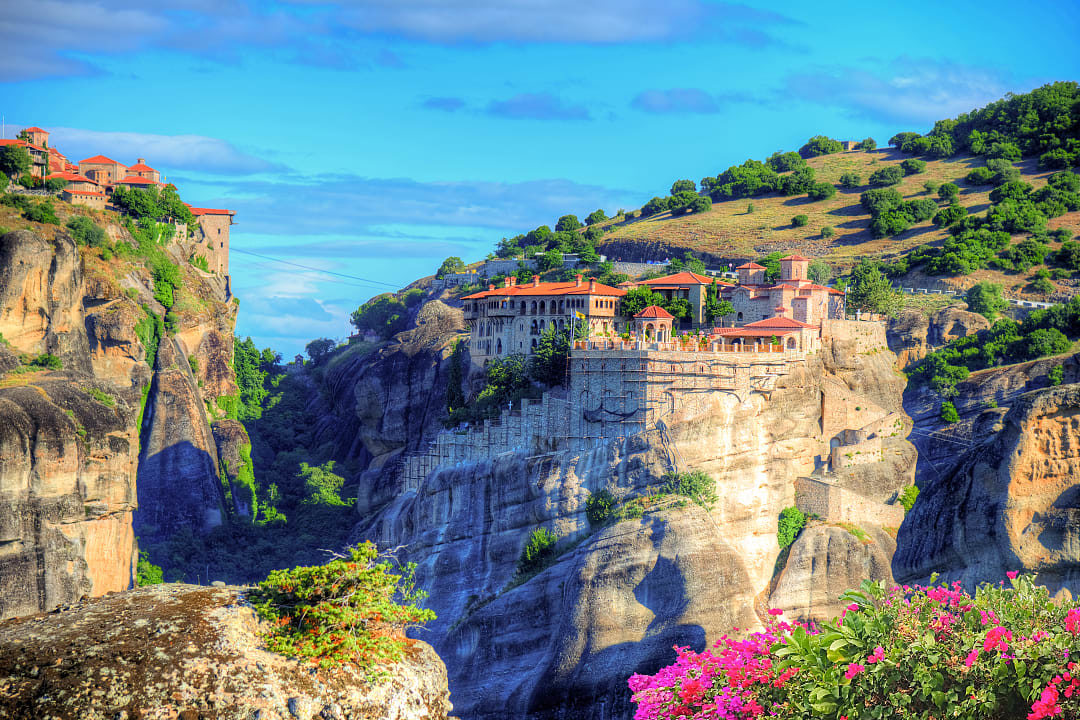
Summer is the quintessential time to experience Greece if you want warm seas, open‑air living, and a festive atmosphere, and are prepared for busy hotspots. The season rewards travelers who plan ahead and who are willing to blend iconic places with quieter corners to find energy and ease in a single itinerary.
During summer, nearly every experience that defines Greece is at its most accessible: ferry schedules are robust, seasonal tavernas are open, local festivals are in full swing, and conditions for sailing and swimming are at their best. For those tied to school or work holidays, June through early September offers the most straightforward planning window, while careful curation can still provide moments of tranquility, even at the height of the season.
Peak Vitality: The islands are at full capacity. Enjoy the sophisticated beach clubs of Mykonos or the authentic, violin-filled festivals of remote mountain villages without worrying whether they are closed.
- This is when marquee islands like Mykonos, Santorini, and Paros run on all cylinders, with full restaurant rosters, late‑night bars, designer boutiques, and day clubs drawing an international crowd.
- At the same time, mountain villages on islands like Naxos or on the Peloponnese host panigyria (traditional feast days), when you can sit beside locals at long tables, listening to island violins and watching circle dances that swirl until sunrise.
- A thoughtful itinerary might pair three nights near a lively beach club scene with several days in a quieter village or countryside retreat, giving you the freedom to dip into the action and then retreat to a private terrace or pool when you crave silence.
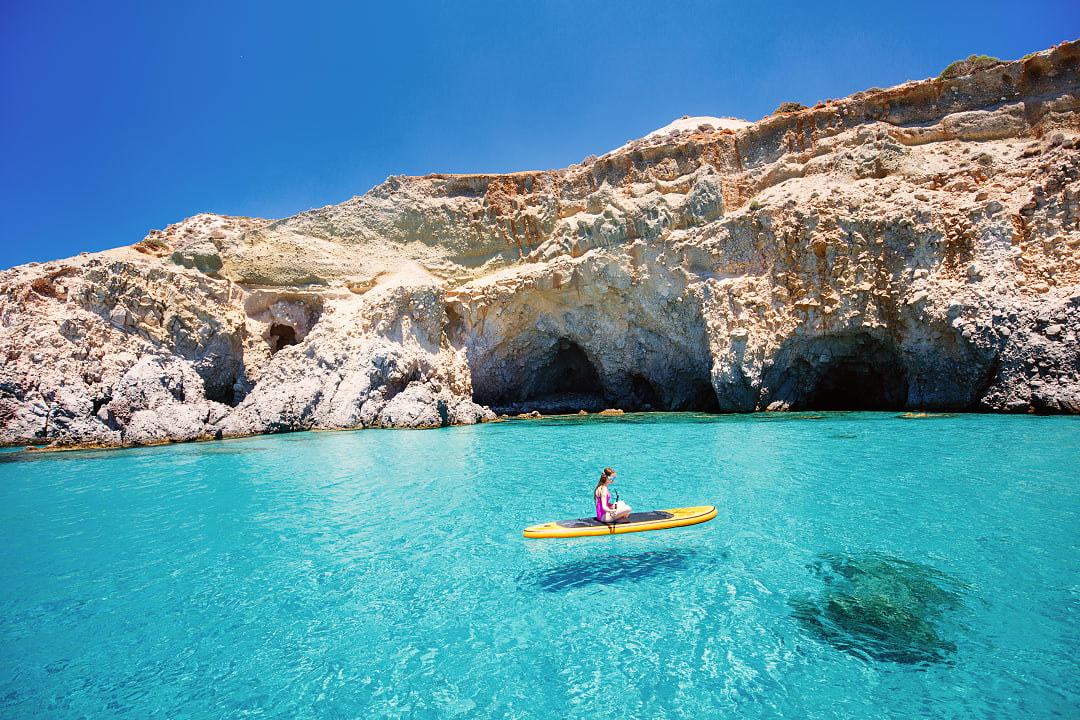
The Aegean Playground: This is the premier season for maritime luxury. The sea temperature is perfect for swimming off the back of a private catamaran or diving into the submerged ruins of Pavlopetri without a wetsuit.
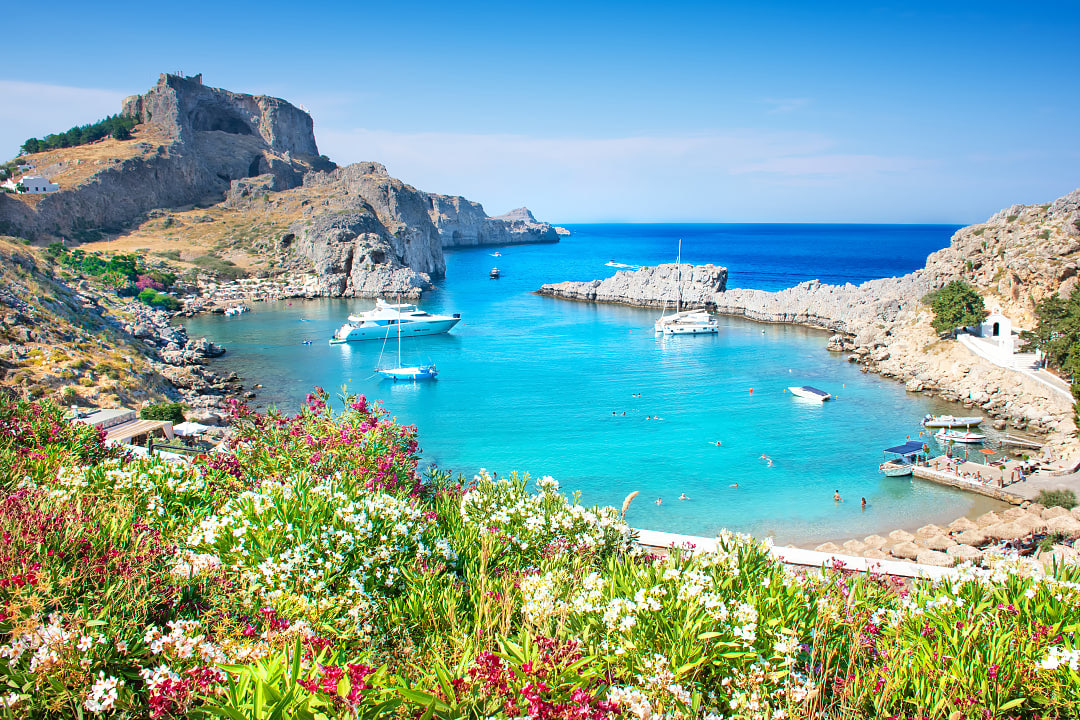
- The longer days and consistently calm mornings make it easy to structure a full day on the water: depart after breakfast, stop to swim and snorkel in sheltered coves, lunch on deck or at a seaside taverna, and return just as the sky starts to soften into evening.
- In the Aegean, where the Meltemi winds can freshen in the afternoon, your captain can tailor the route to sheltered bays and leeward coasts, turning a potentially blustery day into an exhilarating but comfortable sail.
- If you are curious about underwater archaeology or simply love history, a stop near places like Pavlopetri or a guided snorkeling trip over ruins and reefs lets you literally swim through layers of Greek story before drying off on deck with a glass of wine.
Cultural Immersion: The calendar is anchored by the Athens and Epidaurus Festival, where ancient Greek dramas are performed in millennia-old stone theaters under the stars.
- Summer is the only time you can step into a 2,000‑year‑old amphitheater as part of a living audience, watching a tragedy by Sophocles or Euripides performed in its original open‑air setting.
- An evening at the Odeon of Herodes Atticus below the Acropolis or at the Ancient Theater of Epidaurus can be built around a full day: explore a museum in the morning, relax at your hotel during the hottest hours, then transfer privately to the theater as the stone cools and twilight gathers.
- Sitting on worn limestone tiers, hearing a human voice carry clearly across the bowl without amplification, you feel both the craftsmanship of ancient engineers and the continuity of emotion across the centuries.
Our Best Time to Visit Greece guide offers additional seasonal information if you are debating between summer and shoulder months.