8 Best Things to Do in Peru with Kids

Family in Machu Picchu, Peru

Machu Picchu, Peru

The best things to do in Peru with kids range from Inca ruins and Amazon lodges to desert dunes and boat trips past sea lion colonies. The challenge is fitting them around altitude, long transfers, and how long a seven-year-old will stay curious about stone walls.

Starting in the Sacred Valley, roughly 1,700 feet lower than Cusco, lets children adjust to the thin air while they explore. They can crunch across the salt pans of Maras and taste a pinch of the pink-tinged salt, then spend a morning a few days later in a canoe on a Tambopata oxbow lake, listening for giant otters calling across the water. We chose each experience below for how well it holds young attention, with notes on the ages it suits best.

Extraordinary travel begins with the human touch, and our destination specialists design every journey with meticulous care and attention to detail. No two Zicasso itineraries are the same because no two families are. Your specialist builds a private, fully personalized route around your children's ages, energy, and curiosity, with guides who know how to bring a ruin or a rainforest trail to life for young travelers. Use the information here as a guide before connecting with our travel experts to plan your trip.

What Are the Best Things to Do in Peru with Kids?

Moray circular terraces, Peru.

The best things to do in Peru with kids span Inca ruins, Amazon wildlife, desert dunes, and Pacific beaches. Most families combine four or five of them over 10 to 14 days, starting at lower elevations and saving the highest stops for later.

  • Best for History: Machu Picchu on an early timed entry, the giant zigzag walls of Sacsayhuamán above Cusco, and the circular terraces of Moray, where a private guide can explain how the Inca tested crops at different temperatures. The pink-tinged salt pans of Maras round out a day children can touch and taste.
  • Best for Wildlife: A riverside lodge in the Tambopata National Reserve puts giant otters, macaws, and caimans within a short canoe ride. A private, two-hour morning boat trip from Paracas to the Ballestas Islands brings sea lions and Humboldt penguins close to the bow.
  • Best for Thrills: Belly-down sandboarding and late-afternoon dune-buggy rides at Huacachina deliver the biggest shrieks. Beginner rafting on the Urubamba and a six-line zipline near Ollantaytambo double as gentle acclimatization days.
  • Best for Young Children: Near sea level, Amazon lodges and the warm north-coast water around Máncora let under-fives play without altitude to contend with. Sacred Valley sites work best kept to an hour or two at a time.
  • Best for Teens: The four-day Inca Trail to the Sun Gate, Class III to IV whitewater on the Chuquicahuana section, and stand-up sandboarding on Huacachina’s steeper faces. A first surf lesson on the north coast adds a skill they can take home.

1. Explore Machu Picchu and the Inca Sites of the Sacred Valley

Cusco, Machu Picchu.

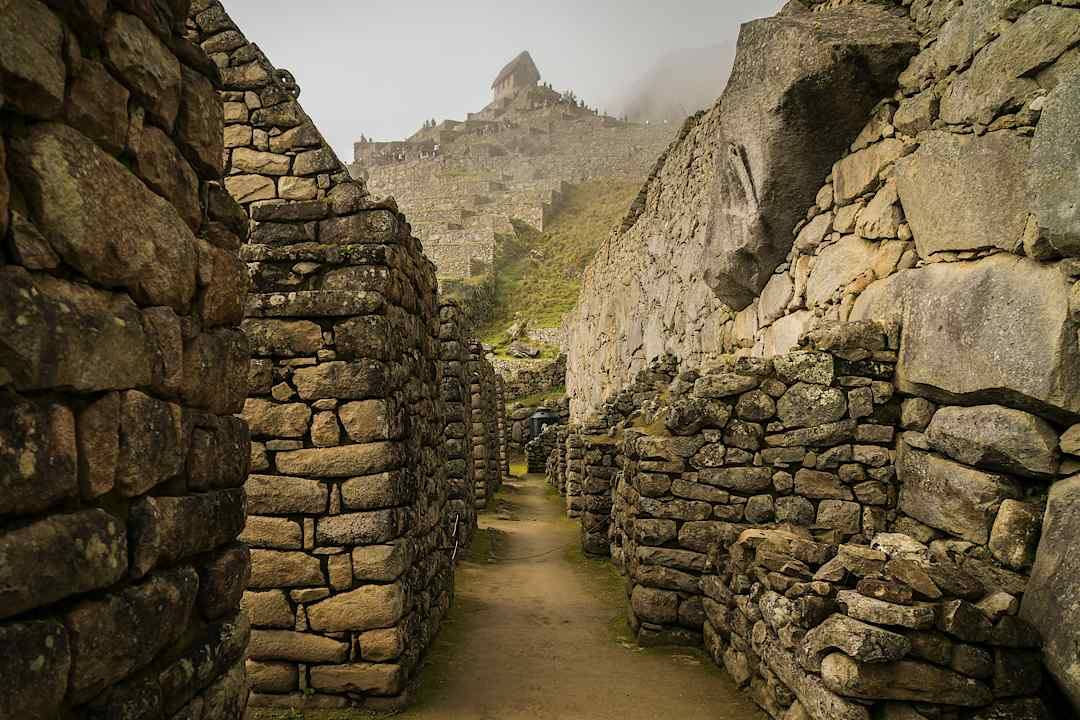
Machu Picchu with kids works best as an early-morning visit on a pre-booked, private circuit, after a few days in the Sacred Valley. The citadel now admits visitors on three circuits, Panoramic, Classic, and Royalty, which split into about 10 fixed one-way routes, each sold with an hourly entry slot. During the high season, daily numbers are capped. That system rewards families who plan. The first slots of the day bring cooler air, softer light, and fewer people on the narrow terraces, while a midday entry means full sun at nearly 8,000 feet, with children who have been awake since dawn.

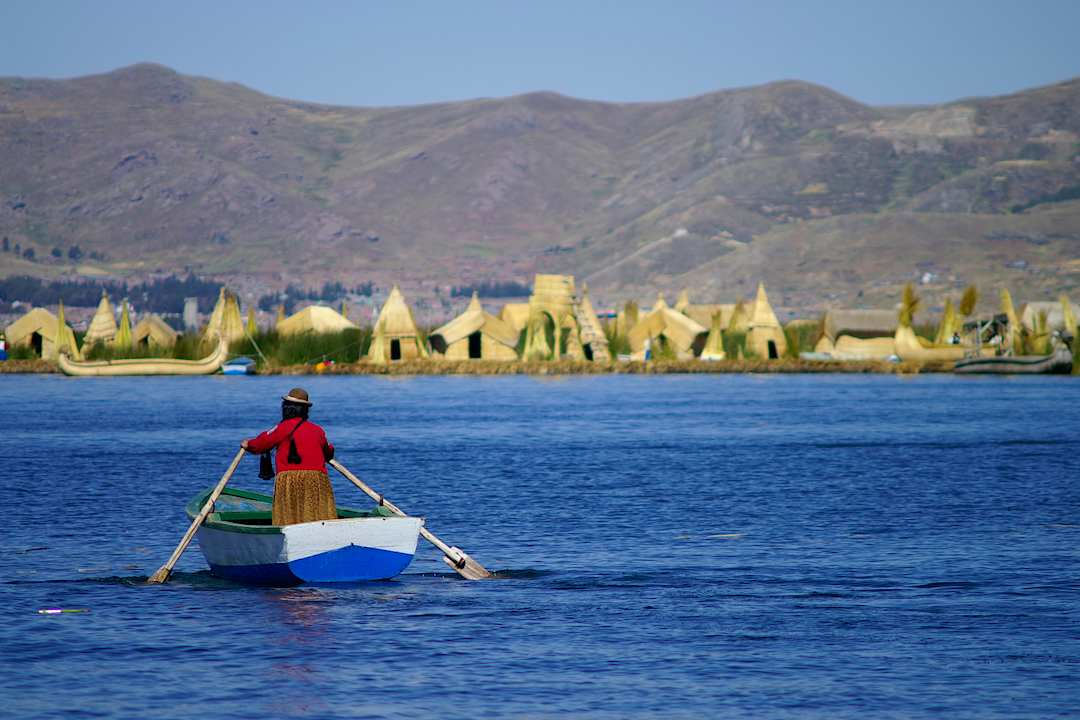
The order of the trip matters as much as the ticket. Flying straight from Lima to Cusco at about 11,150 feet often costs a family its first day to headaches and broken sleep, whereas the Sacred Valley floor sits around 9,400 feet and lets bodies adjust while children run between terraces at Moray. The Inca, who governed what is widely regarded as the largest empire in pre-Columbian America, built without iron tools or a written alphabet and kept records on quipu, knotted cords that children find far more intriguing than a museum caption. Families continuing to Lake Titicaca can add the Uros floating islands, where the reed ground gives slightly underfoot, though at about 12,500 feet that stop belongs near the end of a trip.

What to Expect

A private guide can turn the citadel into a treasure hunt, pointing out a carved puma and letting children find the next one themselves. Children under three enter free, while those aged three to 17 need their own reduced-rate tickets, booked alongside train seats and the shuttle bus from Aguas Calientes. The classic Inca Trail requires separate permits that sell out months ahead in high season and closes each February for maintenance. In Cusco, the famous 12-angled stone sits in a wall on Hatunrumiyoc Street, an easy stop on a family walk between lunch and a nap.

Where to Enjoy Your Visit

  • A first-slot visit to Machu Picchu on the Classic circuit, which takes in the main temples and the citadel's lower terraces, with a private guide paced for young legs
  • The giant zigzag walls of Sacsayhuamán above Cusco, where children can stand beside stones taller than their parents and guess how they were moved
  • The circular terraces of Moray, a likely Inca agricultural laboratory, where each level held a slightly different temperature for crops
  • The terraced fortress of Ollantaytambo, whose steep stairways suit energetic children before an afternoon train to Aguas Calientes
  • The classic Inca Trail through Wiñay Wayna to the Sun Gate, for fit teenagers who can manage four days of steady climbing

Best Archaeological Sites to Visit:

  • Machu Picchu
  • Sacsayhuamán
  • Moray terraces
  • Maras salt pans
  • Ollantaytambo
  • Wiñay Wayna • Chan Chan (pre-Inca, on the north coast)

Explore these sites as a family on our Best of Peru for Families: Lima, Cusco, and Machu Picchu itinerary.

2. Raft and Zipline in the Sacred Valley

River rafting, Peru.

Rafting and ziplining in the Sacred Valley give families the thrill children ask for while doing quiet work in the background: they fill the first days of a trip at moderate altitude, when the body is still adjusting, and a long museum visit in Cusco would test everyone's patience. Time spent outdoors at around 9,400 feet, with gentle effort and plenty of water, is the same slow acclimatization doctors recommend, only far more fun.

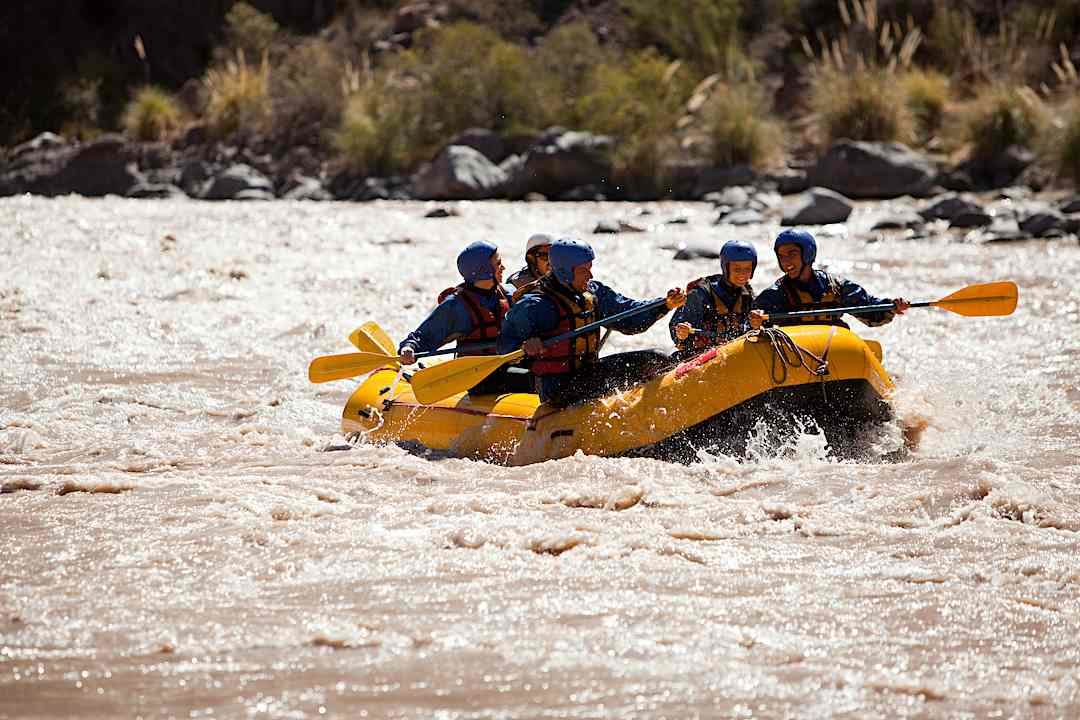
The Urubamba River changes character along its length, so the right stretch depends on the youngest paddler. The Huambutío to Pisac section is the classic beginner run, with short Class II to III rapids and calm stretches between them. Most operators accept children from about eight, though some set the bar at 12. Upstream, the Chuquicahuana section near Cusipata runs Class III to IV water, which is better saved for confident teenagers. The rafting season runs from about May to October, when the river is lower, and the rapids are easier to read. The six-line zipline course at Pachar, near Ollantaytambo, usually accepts children from about seven. It opens with a shorter line, so first-timers can find their nerve before the longer spans over the valley.

What to Expect

Your specialist matches each activity to the youngest member of the group and arranges private outings, so a family never waits for strangers or keeps a pace that suits someone else. Guides fit every child with a helmet and life jacket, and run a safety briefing on the riverbank before anyone climbs aboard. The cold spray off the bow, the call of "forward" from the guide, and the slow drift through eucalyptus groves between rapids make river mornings a favorite memory. Families who want something gentler can swap a rafting morning for a downhill bike ride from Moray to the Maras salt pans, with a support vehicle following behind.

Where to Enjoy Your Visit

  • A private family raft on the beginner-friendly Huambutío to Pisac stretch, ending near Pisac's riverside market for lunch
  • A livelier Chuquicahuana rafting day for teenagers who want real whitewater and a picnic on the riverbank
  • The six-line zipline course at Pachar near Ollantaytambo, which usually accepts children from about seven
  • A guided downhill bike ride past Moray to the Maras salt pans, with child-size bikes and helmets reserved ahead and a van close behind
  • A via ferrata climb on the Sacred Valley cliffs for adventurous teenagers, often paired with the zipline, with minimum ages of about eight or nine depending on the operator

Best Activities to Enjoy:

  • Whitewater rafting
  • Ziplining
  • Downhill biking
  • Via ferrata

Balance adventure and culture on our Family Vacation to Machu Picchu and Peru, which can include a family-friendly rafting excursion on the Urubamba River.

3. Visit Kid-Friendly Museums and Markets in Lima and Cusco

Inka Museum in Cusco, Peru
Cusco, Peru

The best museums in Lima and Cusco for children show how people lived, ate, and played. Lima's Larco Museum leads that list. Its pre-Columbian pottery is shaped like owls, monkeys, corn cobs, and faces pulling expressions, and a child who has wandered past a case of gold ornaments will often stop dead in front of a 2,000-year-old jug shaped like a dog. Objects that look like toys invite questions, while a room of gold invites only a glance.

Attention has a limit, and the most successful family museum visits respect it. An hour with a private guide who has a plan, followed by a market, a snack, or a cooking class, leaves children wanting more rather than counting minutes. In Cusco, the Museo Inka introduces the empire through everyday tools, textiles, and quipu. In Arequipa, the Museo Santuarios Andinos displays finds from Inca mountaintop shrines that suit older children who can handle a serious story.

What to Expect

A private guide can build a Larco visit around a single theme, such as animals or warriors, and steer the family past the museum's adults-only gallery of erotic ceramics. Markets add noise and color to the lesson: stalls are piled with lúcuma, which tastes faintly of caramel and turns up in Peruvian ice cream, and granadilla, a passion fruit cousin children crack open and slurp with a spoon. Pairing a museum with a hands-on class, such as making chocolate from cacao beans in Cusco, turns history into something they can taste and carry home in a paper bag.

Where to Enjoy Your Visit

  • A private morning at Lima's Larco Museum, built around a scavenger hunt for animal-shaped pots
  • Cusco's Museo Inka, followed by a short walk to Hatunrumiyoc Street to find the 12-angled stone
  • A weaving demonstration in Chinchero, where children watch wool turn red from crushed cochineal insects
  • A family chocolate-making class in Cusco or a Peruvian cooking class in Lima, ending with lunch at the table
  • San Pedro Market in Cusco or the Sunday market in Pisac, for a fruit tasting led by your guide

Best Museums to Visit:

  • Larco Museum
  • Museo Inka
  • Museo de Arte de Lima
  • Museo Santuarios Andinos
  • Museo Huacas de Moche

Discover Peru's culture together on our 14 Day Kid-Friendly Vacation to Peru.

4. Spot Wildlife in the Peruvian Amazon

The Path of Mother Earth in the Peruvian Amazon
Peruvian Amazon

The Tambopata National Reserve is the easiest place in Peru to take children into the Amazon. A short flight from Cusco or Lima lands at Puerto Maldonado, and a motorized canoe reaches a riverside lodge the same afternoon. Manu, its wilder neighbor, usually means a long overland journey down from the Andes or a small charter flight, a trade-off that suits patient teenagers far better than a five-year-old.

For children, the rainforest works like a live nature program with no remote control. Squirrel monkeys crash through the branches above the lodge, macaws streak overhead in pairs, and poison dart frogs no bigger than a thumbnail sit on the forest floor. Three nights give a family two full days of excursions, which is enough to absorb the heat and the early starts before the most exciting outings begin.

What to Expect

Naturalist guides adapt walks to young legs, keeping trails short and turning every leaf and log into a discovery, from leafcutter ants marching in line to a tree trunk bristling with spines. Lodges lend knee-high rubber boots because trails turn to mud after rain and ants and spiny palms line the paths, so children can splash through puddles without anyone worrying about what lives in them. Yellow fever vaccination is recommended for travelers aged nine months and older heading to the Peruvian Amazon, and it should be given at least 10 days before arrival, so a pediatrician or travel clinic visit belongs early in the planning. Night walks reveal glowing fungi and tree frogs, and evening boat rides pick out the red eyes of caimans along the riverbank.

Where to Enjoy Your Visit

  • A family stay at a riverside lodge in the Tambopata National Reserve, with a private naturalist for the length of the visit
  • A dawn visit to a macaw clay lick, where hundreds of parrots gather on the riverbank to eat mineral-rich clay
  • A canoe glide across an oxbow lake such as Sandoval, listening for the high-pitched calls of a giant otter family
  • A climb up a canopy tower for a bird's-eye view of toucans and the forest roof
  • A guided night walk to find tarantulas, stick insects, and frogs by flashlight

Best Animals to Search For:

  • Giant otters
  • Macaws
  • Howler monkeys
  • Caimans
  • Sloths

Add the rainforest to your family trip with our Immersive Rainforest and Inca Trail Peru Tour, which can be customized to your family's ages and pace.

5. See Sea Lions and Penguins at the Ballestas Islands

Penguins in the Ballestas Islands, Peru.

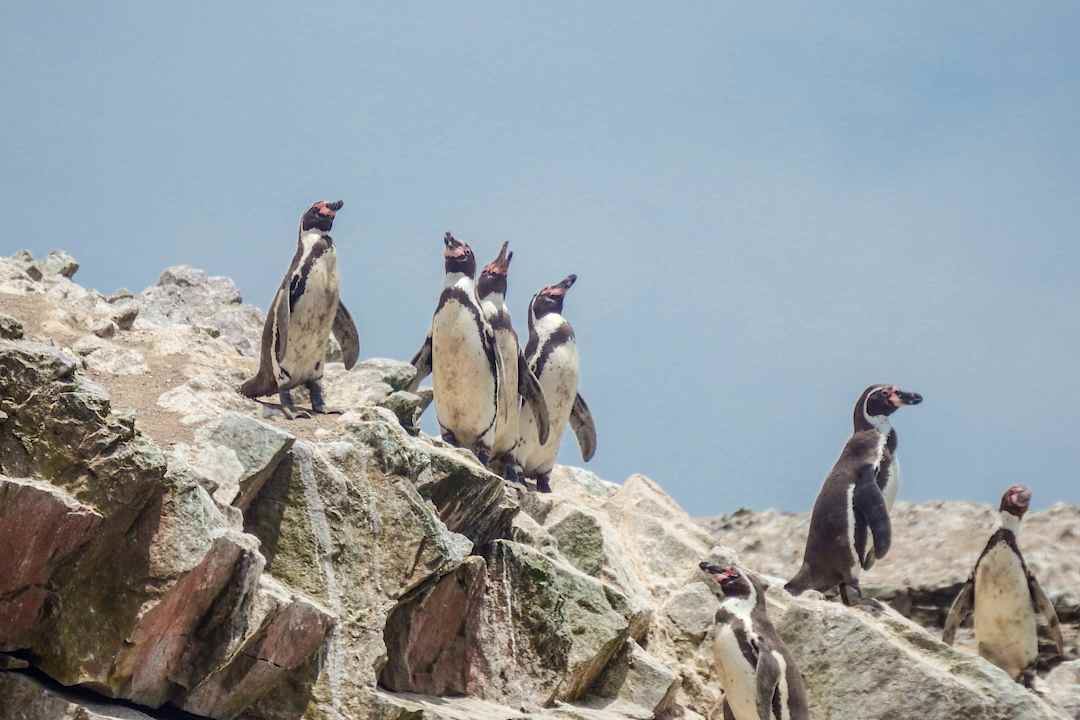
A morning boat trip from Paracas to the Ballestas Islands is the easiest way for young children to see wild sea lions and Humboldt penguins up close. Paracas is about three and a half to four hours south of Lima, and the cold, nutrient-rich Humboldt Current feeds so many fish that the islands' rocks are crowded with sea lions, boobies, pelicans, and cormorants, while dolphins sometimes ride the boat's wake.

Timing separates a highlight from a rough ride. The sea is usually calmest early in the day, before the afternoon wind known locally as the paracas whips up the bay. This is why departures run in the morning and a later slot is rarely worth the risk with small children. Geography helps the rest of the plan: the Huacachina oasis lies roughly an hour inland, so pairing the two on one coastal loop saves families a separate transfer day from Lima.

What to Expect

The boat circles the islands for about two hours without landing, a manageable outing for children as young as three or four. Sea lion pups bark from the rocks, the sharp smell of guano drifts across the water, and penguins waddle along ledges just above the waves. Crews hand out life jackets before departure, and a windbreaker and sunglasses make the open-water ride back far more comfortable. A private boat can slow down at the moments your children care about most.

Where to Enjoy Your Visit

  • A private morning boat to the Ballestas Islands, timed for the calmest water
  • A pass beside the Candelabra, a giant geoglyph etched into the peninsula's sandy hillside whose origin remains debated
  • A family drive through the Paracas National Reserve to the red sand of Playa Roja
  • The reserve's lagoons, where Chilean flamingos often feed in the shallows, in numbers that vary through the year
  • A guided wetsuit swim with sea lions at the Palomino Islands off Lima, for confident swimmers, with age limits set by each boat operator

Best Marine Life to Search For:

  • Sea lions
  • Humboldt penguins
  • Peruvian boobies
  • Pelicans
  • Dolphins

Meet Peru's marine life on our Idyllic Peruvian Getaway Tour for All Ages.

6. Sandboard and Ride Dune Buggies at Huacachina

Huacachina oasis in Ica, Peru
Ica, Peru

Sandboarding and dune-buggy rides at Huacachina are the most purely joyful afternoon in Peru for many children, and the late afternoon is the time to go. By midday, the sand around this desert oasis near Ica grows hot enough to sting bare hands, while the hours before sunset bring cooler sand, gentler light, and a dune-top view of the lagoon and its palms turning gold.

The experience scales neatly by age. Younger children slide down smaller dunes lying belly-first on the board, which is safer and, by most accounts, more fun, while teenagers can learn to ride standing up on the steeper faces. Operators set minimum ages for the buggies, generally somewhere between five and nine, so your specialist confirms them before booking, and a private buggy with an experienced driver keeps the pace sensible for a family rather than a carload of thrill-seekers.

What to Expect

The buggy climbs, pauses on a crest, then drops over the edge with a lurch that brings shrieks from the back seat. Drivers stop at a series of dunes so everyone can board, starting with gentle slopes and building up as confidence grows. Sand finds its way into everything, so closed shoes, sunglasses, and a scarf or buff for the face make the outing more comfortable, and a change of clothes waits in the car.

Where to Enjoy Your Visit

  • A private, late-afternoon dune-buggy ride from the Huacachina oasis, with stops to sandboard
  • Belly-down sandboarding on small dunes for younger children, guided by the driver from the bottom
  • A stand-up sandboarding lesson for teenagers on the steeper faces
  • Sunset from the crest of a high dune, looking back over the lagoon
  • A coastal loop that pairs Huacachina with the Ballestas Islands, about an hour apart, on the same stay

Best Ways to Enjoy the Dunes:

  • Dune buggies
  • Belly-down sandboarding
  • Stand-up sandboarding
  • Sunset views

Ride the dunes of Huacachina on our In-Depth Family Tour to Lima, Peru.

7. Relax on Peru's Best Family-Friendly Beaches

Beautiful sunset in Huanchaco, Peru
Huanchaco, Peru

The best family-friendly beaches in Peru are on the far north coast around Máncora and Los Órganos, where the water is warm enough for long swims and the sun shines for much of the year. Peru's Pacific coastline runs for about 1,500 miles, but most of it is cooled by the Humboldt Current, which keeps the sea brisk from Lima southward even in the December to March summer. Families who picture children splashing for hours should head north, where the cold current swings away from the shore.

The north coast also offers something rarer than warm water. Humpback whales arrive off Máncora and Los Órganos to breed and give birth, from about July to October, and a boat trip during those months can bring a mother and calf into view. At the pier of El Ñuro, green sea turtles glide through the shallows close enough for children to watch from the boards. Farther south, the fishing town of Huanchaco near Trujillo is best as a half-day stop rather than a beach stay, worth the detour to watch fishermen paddle caballitos de totora, traditional reed boats shaped for riding the surf, before visiting the adobe city of Chan Chan nearby.

What to Expect

Seaside lunches of fresh ceviche and grilled fish are part of the routine, and the calm mornings before the afternoon breeze make the best hours for swimming and sandcastles. Gentle breaks around Máncora suit a first surf lesson with a private instructor, who can stand a child up on a long board within the hour. Shade, high-factor sunscreen, and plenty of water matter more than usual here, as the equatorial sun is strong even on hazy days.

Where to Enjoy Your Visit

  • A family stay on the north coast around Máncora or Los Órganos, where the water is warmest
  • A whale-watching boat from Los Órganos between about July and October, when humpbacks gather offshore
  • The pier at El Ñuro, where green sea turtles swim close to the boards and guided swims keep a respectful distance
  • A half-day in Huanchaco to watch fishermen ride reed boats through the surf, paired with Chan Chan
  • A private beginner surf lesson on a gentle break near Máncora or Punta Sal

Best Family-Friendly Beaches to Enjoy:

  • Máncora
  • Los Órganos
  • Punta Sal
  • Huanchaco
  • Paracas

Build beach days into your trip with our Peru Family Vacations & Tours.

8. Go Horseback Riding in the Sacred Valley and the Andes

Sacred Valley, Peru.

The Peruvian Paso is the reason horseback riding in Peru suits nervous first-time riders so well. Bred for centuries to carry riders across long distances in comfort, this national breed moves with a smooth, four-beat gait that glides instead of bouncing, so a child who has never sat on a horse feels steady from the first few steps. A ride that starts with a gentle walk on a Paso often ends with a child asking when they can go again.

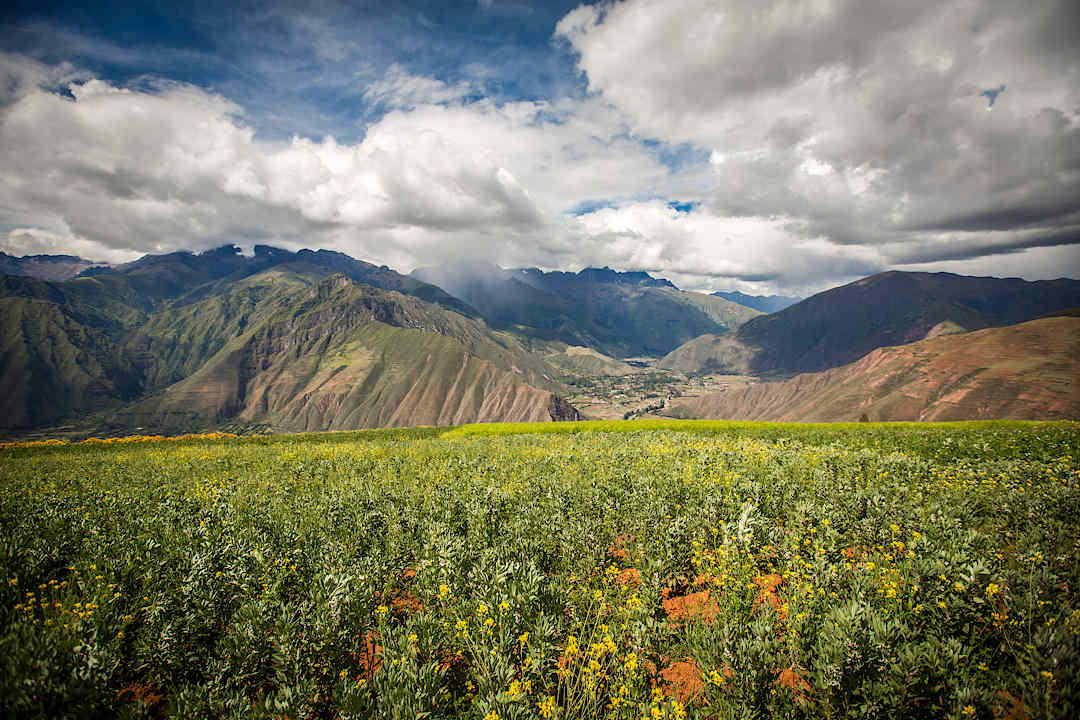
Once in the saddle, families can reach places no road touches. Trails climb from the edge of Cusco past the carved rock of Q'enqo to quieter Inca sites, cross the farmland of the Sacred Valley between adobe villages, and follow the terraced slopes of the Colca Canyon, where condors ride the thermals overhead. Rides run from an hour to a full day, and many end in a village where a local family serves a home-cooked lunch of soup, potatoes, and fresh cheese.

What to Expect

Ranch hands match each rider to a calm horse, and guides walk alongside younger children on a lead rope until they feel confident. Rides at altitude stay slow, with regular pauses for water, photos, and a closer look at the llamas grazing on the hillsides. The creak of the saddle and the clop of hooves on an old Inca path set an easy pace for conversation. Rainbow Mountain can be partly reached on horseback, but at about 17,000 feet it is best saved for older, well-acclimatized children at the end of a trip.

Where to Enjoy Your Visit

  • A private Peruvian Paso demonstration at a Sacred Valley ranch, followed by a gentle first ride
  • A half-day ride through the Sacred Valley's farmland and villages, ending with lunch in a family home
  • A route from the outskirts of Cusco past Q'enqo to lesser-visited Inca sites in the hills
  • A ride along the terraced slopes of the Colca Canyon, with stops to watch for condors
  • A partial horseback ascent toward Rainbow Mountain for older children who are well acclimatized

Best Places to Horseback Ride:

  • The Sacred Valley
  • Cusco hills
  • Colca Canyon
  • Rainbow Mountain (older kids)

Saddle up on our One-Week Family Adventure and Discovery Tour of Peru.

Best Time to Visit Peru with Kids

Surfers at Huanchaco Beach and the traditional reed boats in Peru
Trujillo, Peru

June to August is the most practical time to visit Peru with kids because North American school holidays fall within Peru's dry season, when the Andes see clear skies and Amazon trails are firm. These are also the busiest months, and Machu Picchu's daily cap fills fast, so entry tickets, train seats, Inca Trail permits, and family rooms should be booked several months ahead. For beach time, the coast is sunniest from December to March, which coincides with the rainy season in the highlands.

Families with flexible dates find quieter conditions in May, September, and October, and the north coast's whale season adds a reason to travel between about July and October. For more, see our Best Time to Visit Peru.

Peru with Kids By Age

Maras salt mines in Cusco, Peru
Cusco, Peru

Peru suits children of almost any age, but the right experiences shift as they grow.

  • Toddlers and under-fives: Keep the trip low and short-hopped. Rainforest lodges, the Ballestas boat trip, and north-coast beaches work well, with only brief Sacred Valley visits. Children under three enter Machu Picchu free, but carrying a toddler up its steep stone steps is tiring, so a back carrier and a short circuit make the visit realistic.
  • Ages six to 11: Add Machu Picchu by train, Inca sites with a storytelling private guide, beginner rafting from about age eight, the Uros floating islands on Lake Titicaca near the end of the trip, and hands-on museum visits.
  • Teenagers: Consider the Inca Trail, Class III to IV rafting on the Chuquicahuana section, stand-up sandboarding at Huacachina, surf lessons on the north coast, and longer Amazon excursions.

Altitude and Kids in Peru

Lake Titicaca, Peru.

Cusco sits at about 11,150 feet and Lake Titicaca at about 12,500 feet, so altitude is the main health consideration for families. Children feel its effects just as adults do, and younger ones may not be able to describe a headache, tiredness, or loss of appetite, so parents watch for a child who suddenly stops eating or playing. Many family itineraries begin in the Sacred Valley at around 9,400 feet or in the Amazon at sea level, keep the first days gentle, and save the highest stops for later. Speak with your pediatrician or a travel clinic before departure about altitude and about the yellow fever vaccine recommended for the Amazon.

Packing for a trip that runs from rainforest to highlands comes down to layers. Pack long, light sleeves and trousers for the Amazon, a warm fleece and hat for Andean mornings that start near freezing in the dry season, a rain jacket for the jungle, sunscreen and sunglasses for the strong high-altitude sun, and comfortable walking shoes that already fit. Most rainforest lodges lend rubber boots, so there is no need to pack them.

How Many Days Do You Need in Peru with Kids?

Sea lions in Paracas National Park in Peru
Paracas, Peru

Ten to 14 days gives families time to enjoy Peru at a child-friendly pace. A 10-day trip can combine Lima, three nights in the Amazon, the Sacred Valley, Machu Picchu, and Cusco. Two weeks adds room for Paracas and the Ballestas Islands, the dunes of Huacachina, or a few days on the north-coast beaches, with rest days built in between.

How Much Does a Family Trip to Peru Cost?

Aerial view of Lima, Peru.

The cost of a family trip to Peru depends on the season, the length of the trip, the number of internal flights, the style of accommodation, and how many private guides and experiences you add. A June to August trip with an Amazon lodge, three regions, and a guide at every major site sits at the higher end, while a shorter shoulder-season trip focused on Lima, the Sacred Valley, and Machu Picchu costs less. The average family trip to Peru is nine nights, with typical add-ons being private Peruvian cooking and chocolate-making classes and interactive family-friendly archaeological treasure hunts at Machu Picchu, according to Zicasso data. Your specialist prices each option against your family's priorities, so you can see the trade-offs before you commit.

Sample 10-Day Peru Itinerary for Families

This sample route suits a family with children around six to 10 who have never been at altitude. It starts at sea level, climbs gradually, and keeps the highest city for last. Like every Zicasso itinerary, it is a starting point that your specialist reshapes around your family.

  • Day 1: Lima. Arrive and settle in, with an easy evening walk along the Miraflores clifftops above the Pacific.
  • Days 2 to 4: The Amazon around Tambopata. Fly to Puerto Maldonado and spend three nights at a riverside lodge. Sea-level days let children adapt to the trip's pace before the mountains.
  • Days 5 to 6: The Sacred Valley. Fly to Cusco and drive straight down to the valley at around 9,400 feet. Spend gentle days at Moray, the Maras salt pans, and a Chinchero weaving demonstration, with a beginner rafting morning for children eight and up.
  • Day 7: Aguas Calientes. Take the afternoon train from Ollantaytambo and turn in early.
  • Day 8: Machu Picchu. Enter on the first slot of the day with a private guide, then return by train to Cusco.
  • Day 9: Cusco. See Sacsayhuamán, Museo Inka, and the 12-angled stone on Hatunrumiyoc Street, followed by a chocolate-making class.
  • Day 10: Lima and home. Fly back to Lima for a private visit to the Larco Museum before an evening international flight.

Age notes: With a five-year-old, swap the rafting morning for a shorter Moray visit and keep Machu Picchu to one circuit. With teenagers, replace Days 7 and 8 with the one-day Inca Trail, entering Machu Picchu through the Sun Gate.

Verified Zicasso traveler Deborah C. had this to say about her family’s 2026 trip to Peru: “The build-up to our absolutely amazing discovery of Machu Picchu Citadel and the hike up Machu Picchu Mountain was perfect. We have been amazed with the architecture, the skills required by the Inca, and the dazzling scenery along every step of the trip. Our family was able to learn and create magical memories that will stay with us for our lifetimes. We could not ask for anything more; the trip was wonderful!”

Frequently Asked Questions About Peru with Kids

Amazon rainforest, Peru.

Is Peru a good destination for kids?

Yes. Peru combines hands-on history, wildlife, and outdoor adventure in one trip. From Inca ruins and rainforest lodges to sandboarding and boat trips past sea lions and penguins, its variety lets a family move from mountains to rainforest to sea in under two weeks.

Is Peru safe for kids?

Peru is generally safe for families who take the usual precautions of any large country. Petty theft is the most common issue in busy parts of Lima and Cusco, so families keep valuables close and use private transfers rather than hailing taxis. The bigger health considerations for children are altitude and sun, both manageable with a gradual itinerary. Check the government's travel advisory before booking.

What is the best age to take kids to Peru?

Children aged six and older tend to get the most from Peru's ruins and excursions, while teenagers can take on the Inca Trail and more active adventures. Younger children enjoy the Amazon, the Ballestas boat trip, the beaches, and shorter Sacred Valley visits.

Can kids visit Machu Picchu?

Children of any age can visit Machu Picchu, and those under three enter free, while children aged three to 17 need reduced-rate tickets. Entry is sold by circuit with an hourly time slot, and daily numbers are capped, so tickets should be booked well ahead, especially from June to October. Most families arrive by train to Aguas Calientes and take a short bus ride up to the citadel.

Is Machu Picchu worth it with a five-year-old?

If the visit is short and well timed, then yes. An early entry slot, a single circuit, a private guide who tells stories, and a back carrier or frequent rest stops make the citadel enjoyable for young children, who often remember the llamas as clearly as the ruins.

Is the Inca Trail suitable for children?

The classic four-day Inca Trail suits fit, motivated teenagers, and families with younger children often choose the one-day Inca Trail or arrive by train. Permits are limited and sell out months ahead in high season, and the trail closes each February. Sources disagree on whether Peru sets an official minimum age. Some operators accept children from about seven while others require 12, so your specialist confirms the current rule when booking. Every trekker needs a permit issued in their name and passport number, and trekkers aged 17 and under pay a reduced rate.

Can children handle the altitude in Peru?

Most can, with a gradual itinerary. Start in the lower Sacred Valley or the Amazon, keep the first days gentle, watch for symptoms such as headache or loss of appetite, and consult your pediatrician before travel.

Do kids need vaccines for the Peruvian Amazon?

Yellow fever vaccination is recommended for travelers aged nine months and older visiting the Peruvian Amazon, including the Tambopata area. It should be given at least 10 days before arrival. Ask your pediatrician or a travel clinic about this and any other recommended vaccines or medication well before departure.

Is Peru or Costa Rica better for a family trip?

Peru suits families who want history and culture alongside wildlife, with Machu Picchu and the Andes as the centerpiece. Costa Rica suits families who want wildlife and beaches with shorter transfers and no high altitude. Families with very young children often find Costa Rica easier, while those with children aged six and up get more from Peru's range.

Experience the Best Things to Do in Peru with Kids

Inca warrior statue in Machu Picchu, Peru
Machu Picchu, Peru

Across ruins, rivers, rainforest, dunes, beaches, and mountain trails, one approach holds: a family trip to Peru works best when each day pairs one big experience with time to rest and play, and when the route climbs gradually toward the high Andes. Private guides who know how to engage children, entry slots booked for the cool of the morning, and a balance of active and quiet days turn a demanding country into one that every generation can enjoy together.

When planning your custom trip, explore our Peru travel guide for more on when to go and where to stay as a family. Then fill out a trip request form to begin planning your Peru vacation with children.

36,000+ Verified Traveler Reviews